
7035801111

info@theovacare.com

High Risk Pregnancy Care | Causes, Risks & Treatment

High Risk Pregnancy Care | Causes, Risks & Treatment

Why the skincare you do at home after a professional skin treatment is just as important as the treatment itself — explained simply.

High Risk Pregnancy Care | Causes, Risks & Treatment

High Risk Pregnancy Care: Causes, Risks, Warning Signs & Treatment Support

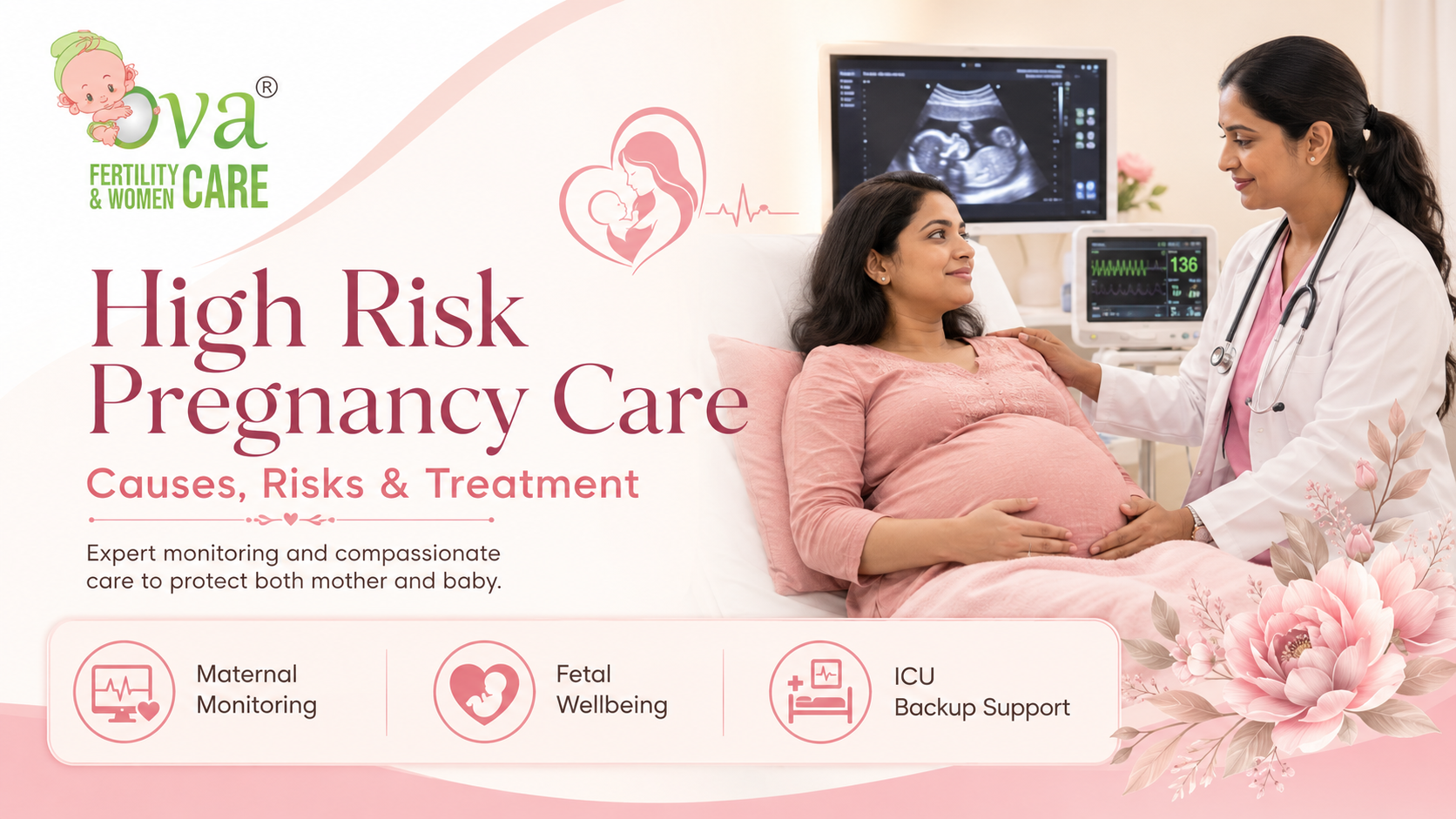
High risk pregnancy care is needed when a pregnancy has a higher chance of complications for the mother, baby, or both. This does not always mean something will go wrong. Many women with high risk pregnancies go on to have safe deliveries and healthy babies when they receive the right monitoring, timely treatment, and specialist support.

Pregnancy is usually a natural and beautiful phase, but sometimes it needs extra medical attention. A woman may be considered high risk because of age, lifestyle diseases, previous pregnancy complications, twins, high blood pressure, diabetes, placenta problems, anemia, thyroid issues, IVF pregnancy, or certain medical conditions that were present before pregnancy.

At Ova Fertility and Women Care, pregnancy care is supported with maternity services, ultrasound in pregnancy, birthing care, and high risk pregnancy care with ICU facility. Ova Care also mentions that its team includes super specialist doctors, nurses, counsellors, and in-house ICU support with backup from specialists such as cardiology, neurology, urology, and gastroenterology for high risk patients.

The goal of high risk pregnancy care is simple: to protect the health of the mother and baby through early detection, careful follow-up, emergency readiness, and a personalized birth plan.

What Is a High Risk Pregnancy?

A high risk pregnancy is a pregnancy where the mother or baby has a higher possibility of health complications before delivery, during delivery, or after birth. This may happen due to a medical condition, pregnancy-related complication, age-related factor, lifestyle issue, previous pregnancy history, or fetal concern.

A pregnancy may be high risk from the beginning, or it may become high risk later. For example, a woman with pre-existing diabetes may be high risk from early pregnancy. Another woman may start as low risk but later develop high blood pressure, low amniotic fluid, placenta previa, or fetal growth restriction.

Featured Snippet Answer: What is high risk pregnancy care?

High risk pregnancy care is specialized pregnancy monitoring and treatment for women who have a higher chance of complications due to medical conditions, pregnancy-related risks, previous pregnancy problems, advanced maternal age, twins, placenta issues, high blood pressure, diabetes, or fetal concerns. It includes regular check-ups, ultrasound monitoring, expert obstetric care, emergency support, and safe delivery planning.

Why High Risk Pregnancy Care Matters

High risk pregnancy care matters because some complications can develop silently. A mother may feel fine, but blood pressure, sugar levels, baby growth, placenta position, or amniotic fluid may need close monitoring.

Timely care can help with:

  • Early detection of complications
  • Better control of diabetes or blood pressure
  • Monitoring baby’s growth and movements
  • Planning safe delivery timing
  • Preventing emergency situations where possible
  • Reducing risk for mother and baby
  • Providing ICU support if required
  • Coordinating specialist care when needed

Ova Care’s high risk pregnancy page highlights that although pregnancy is a physiological condition, certain situations can become dangerous, especially with advanced maternal age, lifestyle diseases, placenta previa, rupture uterus, and other complications that may require senior obstetricians, surgical expertise, anesthesia support, and ICU backup.

Common Causes of High Risk Pregnancy

A pregnancy can become high risk for many reasons. Some are known before pregnancy, while others are detected during antenatal check-ups.

1. Advanced Maternal Age

Pregnancy after the age of 35 may need closer monitoring. This does not mean every woman above 35 will have problems, but the risk of some complications may increase.

Possible concerns may include:

  • High blood pressure
  • Gestational diabetes
  • Chromosomal concerns in the baby
  • Miscarriage risk
  • C-section chances
  • Placental complications
  • Preterm birth

Women planning pregnancy later in life should ideally have preconception counselling and early pregnancy care.

2. High Blood Pressure During Pregnancy

High blood pressure in pregnancy can affect both mother and baby. Some women already have hypertension before pregnancy, while some develop it during pregnancy.

Pregnancy-related high blood pressure may need regular monitoring because it can sometimes progress to serious conditions.

Warning signs may include:

  • Severe headache
  • Blurred vision
  • Swelling of face or hands
  • Pain in upper abdomen
  • Sudden weight gain
  • Breathlessness
  • Reduced baby movements

Blood pressure monitoring is one of the most important parts of antenatal care.

3. Gestational Diabetes

Gestational diabetes means high blood sugar detected during pregnancy. It may happen even if the woman did not have diabetes before.

If not managed properly, it may increase the risk of:

  • Large baby
  • Delivery complications
  • Preterm birth
  • Increased chances of C-section
  • Low sugar in baby after birth
  • Higher future diabetes risk for mother

Good diet planning, sugar monitoring, exercise guidance, and medicines or insulin if required can help manage it safely.

4. Thyroid Problems

Thyroid imbalance during pregnancy can affect the mother’s health and baby’s development. Both low thyroid and high thyroid levels need medical attention.

Symptoms may not always be obvious. That is why thyroid testing is commonly advised during pregnancy care.

Treatment is usually simple when detected early, but dose monitoring is important.

5. Twin or Multiple Pregnancy

Twin pregnancy or multiple pregnancy is considered high risk because the mother’s body is supporting more than one baby.

Possible concerns include:

  • Preterm birth
  • Low birth weight
  • High blood pressure
  • Gestational diabetes
  • Anemia
  • Growth difference between babies
  • Increased delivery planning needs

Multiple pregnancy needs more frequent scans and closer follow-up.

6. IVF Pregnancy

IVF pregnancies may need additional attention, especially when there is advanced maternal age, twin pregnancy, previous miscarriage, infertility-related conditions, or medical history.

Ova Fertility and Women Care provides fertility services along with maternity and pregnancy care, which is helpful because many couples continue their pregnancy journey after fertility treatment in the same women’s care setup. Ova Care lists IVF, IUI, fertility care, pregnancy care, birthing, ultrasound in pregnancy, and high risk pregnancy care with ICU facility as part of its service ecosystem.

7. Previous Pregnancy Complications

A woman may need high risk pregnancy care if she had complications in a previous pregnancy.

This may include:

  • Previous miscarriage
  • Previous preterm delivery
  • Previous stillbirth
  • Previous C-section with complications
  • Previous high blood pressure in pregnancy
  • Previous gestational diabetes
  • Previous baby with growth restriction
  • Previous postpartum hemorrhage
  • Previous placenta problems

Your past pregnancy history gives important clues for planning the current pregnancy.

8. Placenta Problems

The placenta supports the baby by providing oxygen and nutrition. If the placenta is not in the right position or not functioning well, pregnancy may become high risk.

One important placenta-related condition is placenta previa, where the placenta lies low and may cover the cervix. This can cause bleeding and may require careful delivery planning.

Ova Care’s high risk pregnancy treatment page specifically mentions placenta previa as a dangerous situation where surgical experience and expertise may be needed to protect mother and baby.

9. Anemia During Pregnancy

Anemia is common during pregnancy, but severe anemia can increase risk for the mother and baby. It can cause weakness, fatigue, dizziness, breathlessness, poor tolerance during delivery, and complications if heavy bleeding happens.

Iron, folic acid, diet correction, and medical treatment may be needed depending on severity.

10. Fetal Growth Restriction

Sometimes the baby does not grow as expected inside the uterus. This is called fetal growth restriction.

It may happen due to placenta issues, high blood pressure, maternal nutrition, anemia, infections, or other medical conditions.

Regular ultrasound and Doppler studies may be needed to monitor baby growth and blood flow.

11. Low or High Amniotic Fluid

Amniotic fluid protects the baby and supports movement and development. Too little or too much fluid may need monitoring.

Low fluid may be linked with placenta function, leaking fluid, fetal kidney concerns, or post-date pregnancy. High fluid may be linked with diabetes, fetal conditions, or sometimes unknown reasons.

Ultrasound in pregnancy helps detect these changes.

12. Medical Conditions Before Pregnancy

Some women enter pregnancy with existing medical conditions. These women need careful planning and follow-up.

Examples include:

  • Diabetes
  • Hypertension
  • Kidney disease
  • Heart disease
  • Epilepsy
  • Autoimmune conditions
  • Thyroid disease
  • Obesity
  • Liver disease
  • Blood clotting disorders

Ova Care’s setup includes in-house ICU facilities and backup of other specialist doctors for high risk patients, which is important when pregnancy is complicated by medical conditions.

Symptoms and Warning Signs in High Risk Pregnancy

Some symptoms during pregnancy should never be ignored. Even if everything has been normal so far, sudden warning signs need medical attention.

Contact your doctor urgently if you notice:

  • Heavy bleeding
  • Severe abdominal pain
  • Severe headache
  • Blurred vision
  • Convulsions or fainting
  • Reduced baby movements
  • Water leakage from vagina
  • High fever
  • Breathlessness
  • Chest pain
  • Swelling of face or hands
  • Persistent vomiting
  • Severe weakness
  • Painful contractions before term
  • Sudden severe back pain
  • Dizziness with palpitations

A high risk pregnancy needs quick action when warning signs appear. Waiting at home may increase complications.

How High Risk Pregnancy Is Diagnosed

High risk pregnancy is diagnosed through medical history, examination, investigations, ultrasound monitoring, and ongoing antenatal follow-up.

The doctor may ask about:

  • Age
  • Previous pregnancies
  • Previous miscarriages
  • Previous C-section
  • History of infertility or IVF
  • Diabetes or blood pressure
  • Thyroid disease
  • Kidney, heart, or liver disease
  • Medicines being taken
  • Family history
  • Bleeding or pain
  • Baby movements
  • Previous baby’s birth weight
  • Any past pregnancy complications

Common tests and monitoring may include:

  • Blood pressure check
  • Blood sugar testing
  • Hemoglobin test
  • Thyroid profile
  • Urine tests
  • Blood group and infection screening
  • Ultrasound in pregnancy
  • Fetal growth scan
  • Doppler scan
  • Cervical length scan if needed
  • NST or fetal heart monitoring if advised
  • Specialist opinion when required

Ova Care offers pregnancy care and ultrasound in pregnancy as part of its maternity care services, along with high risk pregnancy care with ICU facility.

Role of Ultrasound in High Risk Pregnancy Care

Ultrasound is an important part of pregnancy monitoring. It helps doctors check the baby’s growth, heartbeat, fluid level, placenta position, fetal movements, and sometimes blood flow through Doppler studies.

In high risk pregnancy, ultrasound may be needed more frequently than in low-risk pregnancy.

Ultrasound may help monitor:

  • Baby’s growth
  • Placenta position
  • Amniotic fluid level
  • Baby’s heartbeat
  • Multiple pregnancy
  • Cervical length
  • Fetal presentation
  • Blood flow in selected cases
  • Certain fetal concerns

Ultrasound does not replace clinical judgement, but it gives valuable information for safe pregnancy planning.

Treatment and Management of High Risk Pregnancy

Treatment depends on the cause of risk. A woman with gestational diabetes needs a different plan from a woman with placenta previa or twin pregnancy.

High risk pregnancy care is usually personalized.

1. Regular Antenatal Check-Ups

Regular check-ups help track maternal health and baby development. In high risk pregnancy, visits may be more frequent.

At each visit, the doctor may check:

  • Blood pressure
  • Weight
  • Swelling
  • Symptoms
  • Baby movements
  • Test reports
  • Medication requirements
  • Ultrasound findings
  • Delivery planning

Consistent follow-up is important because pregnancy condition can change over time.

2. Blood Pressure and Sugar Control

High blood pressure and diabetes are two common reasons for high risk pregnancy. Both need proper monitoring.

Management may include:

  • Diet changes
  • Blood pressure medicines safe in pregnancy
  • Sugar monitoring
  • Insulin or medicines if required
  • Regular fetal growth monitoring
  • Delivery timing planning

Good control can reduce complications.

3. Nutrition and Anemia Management

Nutrition matters in every pregnancy, but it becomes even more important in high risk pregnancy.

A doctor may advise:

  • Iron and folic acid
  • Calcium and vitamin D
  • Protein-rich diet
  • Hydration
  • Diabetes-specific diet if needed
  • Avoiding self-medication
  • Weight monitoring

Severe anemia may need more intensive correction.

4. Medication Review

Some medicines are safe in pregnancy, and some are not. Women with pre-existing conditions should not stop medicines suddenly without medical advice.

Medication review is important for:

  • Hypertension
  • Diabetes
  • Thyroid disease
  • Epilepsy
  • Autoimmune conditions
  • Blood thinning medicines
  • Psychiatric medicines
  • Heart or kidney conditions

The doctor may adjust medicines to keep both mother and baby safe.

5. Specialist Care

Some high risk pregnancies need a team approach. Depending on the condition, the obstetrician may coordinate with other specialists.

Ova Care’s about page mentions backup from specialist doctors such as cardiology, neurology, urology, and gastroenterology for high risk patients.

This is important because pregnancy can affect existing medical conditions, and medical conditions can affect pregnancy.

6. ICU Support When Needed

Not every high risk pregnancy needs ICU care. But when complications are serious, ICU support can be life-saving.

ICU support may be needed in cases such as:

  • Severe high blood pressure complications
  • Severe bleeding
  • Serious infection
  • Breathing difficulty
  • Heart-related complications
  • Kidney or liver-related complications
  • Emergency obstetric surgery
  • Critical care after delivery

Ova Care’s high risk pregnancy treatment page mentions ICU backup, experienced anesthesia team, dedicated intensivist team, oxygenation systems, and liver and kidney specialist standby when needed.

7. Delivery Planning

Delivery planning is a major part of high risk pregnancy care. The doctor decides the safest delivery timing and method based on mother and baby condition.

Delivery planning may consider:

  • Baby’s growth
  • Placenta position
  • Blood pressure
  • Diabetes control
  • Previous C-section
  • Baby’s position
  • Fluid levels
  • Multiple pregnancy
  • Maternal medical condition
  • Emergency risk
  • Availability of ICU or surgical support

Some women can have vaginal delivery, while others may need planned C-section. The decision should always be based on safety.

High Risk Pregnancy and Normal Delivery

Many women ask, “Can I have a normal delivery if my pregnancy is high risk?”

The answer depends on the reason for the risk. Some women with high risk pregnancy can still have a vaginal birth with proper monitoring. Others may need C-section because it is safer for the mother, baby, or both.

Normal delivery may be possible if:

  • Mother is stable
  • Baby is stable
  • Placenta position is safe
  • Baby’s growth and fluid are acceptable
  • No major emergency risk is present
  • Labor progresses safely

C-section may be advised when vaginal delivery may increase risk.

High Risk Pregnancy After IVF

High risk pregnancy after IVF needs emotional and medical support. Couples who conceive after IVF may already have gone through years of waiting, treatment, and uncertainty. So, pregnancy care should be handled with sensitivity.

IVF pregnancy may need closer monitoring when linked with:

  • Advanced age
  • Twin pregnancy
  • Previous miscarriages
  • Medical disorders
  • Placenta-related concerns
  • Fertility-related hormonal history
  • Previous uterine or gynecological issues

Ova Fertility and Women Care’s integrated model includes fertility care, maternity care, pregnancy care, ultrasound, and high risk pregnancy care, which helps patients continue care through different stages of the motherhood journey.

Emotional Support During High Risk Pregnancy

High risk pregnancy can be stressful. Even when the doctor says things are under control, the mother may feel anxious before every scan or check-up.

Common feelings include:

  • Fear about baby’s health
  • Worry about delivery
  • Stress from repeated tests
  • Guilt or self-blame
  • Fear after previous miscarriage
  • Anxiety after IVF conception
  • Pressure from family expectations

Emotional support matters. Ova Care’s care model includes counsellors and support staff to help women medically as well as emotionally.

A mother should never feel that she has to manage the emotional load alone.

Practical Tips for Mothers in High Risk Pregnancy

A high risk pregnancy needs good teamwork between the mother, family, and medical team.

Helpful tips include:

  • Attend all appointments
  • Do not skip medicines
  • Track baby movements after the advised stage
  • Keep emergency numbers saved
  • Do not ignore bleeding or pain
  • Monitor blood pressure or sugar if advised
  • Eat as per doctor’s nutrition guidance
  • Avoid self-medication
  • Rest when needed
  • Report reduced baby movements immediately
  • Keep reports organized
  • Discuss delivery plan clearly
  • Stay close to medical care near delivery date if advised

Small steps can prevent delays in care.

People Also Ask: Is High Risk Pregnancy Always Dangerous?

No. A high risk pregnancy does not always mean danger. It means the pregnancy needs closer monitoring and expert care. With timely check-ups, proper treatment, ultrasound monitoring, and delivery planning, many high risk pregnancies can have safe outcomes.

People Also Ask: Can High Blood Pressure Make Pregnancy High Risk?

Yes. High blood pressure during pregnancy can make the pregnancy high risk because it may affect the mother’s organs and baby’s growth. Regular monitoring, medicines, scans, and timely delivery planning may be needed.

People Also Ask: Is IVF Pregnancy Considered High Risk?

IVF pregnancy may need closer monitoring, especially if the mother is older, has twins, has previous pregnancy losses, or has medical conditions. Not every IVF pregnancy has complications, but careful antenatal care is important.

People Also Ask: What Is the Role of ICU in High Risk Pregnancy?

ICU support is important when pregnancy complications become serious, such as severe bleeding, severe blood pressure complications, breathing difficulty, infection, or critical medical conditions. ICU backup helps manage emergencies for maternal safety.

People Also Ask: Can High Risk Pregnancy Have Normal Delivery?

Yes, some high risk pregnancies can have normal delivery if the mother and baby are stable and there are no major safety concerns. In some cases, planned C-section may be safer. The decision depends on the exact pregnancy condition.

Why Choose Ova Fertility and Women Care for High Risk Pregnancy Care?

Ova Fertility and Women Care focuses on complete women’s care under one roof, covering fertility, maternity, gynecology, ultrasound, high risk pregnancy care, endoscopy, lifestyle support, and emotional support. The clinic highlights care from conception to old age with 24×7 support, advanced setup, in-house ICU facilities, and backup of other specialist services.

For high risk pregnancy, this setup matters because complications may require quick coordination between obstetric care, anesthesia support, intensivist care, ultrasound monitoring, surgical expertise, and specialist backup.

Ova Care supports mothers with:

Ova Care’s high risk pregnancy treatment page mentions experienced senior obstetricians with surgical expertise for complicated deliveries, ICU-equipped care, anesthesia team support, intensivist support, and specialist standby for complex situations.

Conclusion

High risk pregnancy care is not about fear. It is about being careful, prepared, and supported. A pregnancy may become high risk due to age, high blood pressure, diabetes, thyroid problems, twins, IVF conception, placenta problems, previous pregnancy complications, anemia, or medical conditions. With early diagnosis and regular monitoring, many risks can be managed well.

The most important thing is not to ignore warning signs and not to miss antenatal visits. High risk pregnancy needs a team that can monitor the mother and baby closely, respond quickly to complications, and plan delivery safely.

At Ova Fertility and Women Care, mothers can receive pregnancy care, ultrasound monitoring, birthing support, and high risk pregnancy care with ICU facility in a women-focused setup. With personalized guidance, senior obstetric support, emergency readiness, and emotional care, high risk pregnancy can be managed with greater confidence and safety.

1. What is high risk pregnancy care?

High risk pregnancy care is specialized medical support for pregnancies that have a higher chance of complications for the mother or baby. It includes regular antenatal check-ups, ultrasound monitoring, blood tests, specialist care, emergency planning, and safe delivery support.

2. What causes a high risk pregnancy?

A high risk pregnancy may be caused by advanced maternal age, high blood pressure, diabetes, thyroid problems, twin pregnancy, IVF pregnancy, placenta issues, previous miscarriage, previous preterm birth, anemia, obesity, or existing medical conditions.

3. When should I consult a doctor during high risk pregnancy?

You should consult urgently if you have bleeding, severe abdominal pain, reduced baby movements, severe headache, blurred vision, swelling of face or hands, water leakage, fever, breathlessness, chest pain, or painful contractions before term.

4. Can high risk pregnancy be managed safely?

Yes. Many high risk pregnancies can be managed safely with timely diagnosis, regular monitoring, proper medicines, ultrasound follow-up, specialist support, and delivery planning. The key is early and consistent care.

5. Does high risk pregnancy always need C-section?

No. High risk pregnancy does not always need C-section. Some women can have normal delivery if mother and baby are stable. However, C-section may be advised when it is safer for the mother, baby, or both.

6. Is ICU support important in high risk pregnancy?

ICU support is important for serious complications such as severe bleeding, uncontrolled blood pressure, infection, breathing difficulty, or critical medical conditions. ICU backup helps manage emergencies quickly and safely.

7. Is high risk pregnancy care available at Ova Fertility and Women Care?

Yes. Ova Fertility and Women Care offers high risk pregnancy care with ICU facility, along with pregnancy care, birthing support, ultrasound in pregnancy, specialist backup, and maternity services for women who need extra monitoring and support.

High Risk Pregnancy Care | Causes, Risks & Treatment

High Risk Pregnancy Care | Causes, Risks & Treatment

High Risk Pregnancy Care: Causes, Risks, Warning Signs & Treatment Support

High risk pregnancy care is needed when a pregnancy has a higher chance of complications for the mother, baby, or both. This does not always mean something will go wrong. Many women with high risk pregnancies go on to have safe deliveries and healthy babies when they receive the right monitoring, timely treatment, and specialist support.

Pregnancy is usually a natural and beautiful phase, but sometimes it needs extra medical attention. A woman may be considered high risk because of age, lifestyle diseases, previous pregnancy complications, twins, high blood pressure, diabetes, placenta problems, anemia, thyroid issues, IVF pregnancy, or certain medical conditions that were present before pregnancy.

At Ova Fertility and Women Care, pregnancy care is supported with maternity services, ultrasound in pregnancy, birthing care, and high risk pregnancy care with ICU facility. Ova Care also mentions that its team includes super specialist doctors, nurses, counsellors, and in-house ICU support with backup from specialists such as cardiology, neurology, urology, and gastroenterology for high risk patients.

The goal of high risk pregnancy care is simple: to protect the health of the mother and baby through early detection, careful follow-up, emergency readiness, and a personalized birth plan.

What Is a High Risk Pregnancy?

A high risk pregnancy is a pregnancy where the mother or baby has a higher possibility of health complications before delivery, during delivery, or after birth. This may happen due to a medical condition, pregnancy-related complication, age-related factor, lifestyle issue, previous pregnancy history, or fetal concern.

A pregnancy may be high risk from the beginning, or it may become high risk later. For example, a woman with pre-existing diabetes may be high risk from early pregnancy. Another woman may start as low risk but later develop high blood pressure, low amniotic fluid, placenta previa, or fetal growth restriction.

Featured Snippet Answer: What is high risk pregnancy care?

High risk pregnancy care is specialized pregnancy monitoring and treatment for women who have a higher chance of complications due to medical conditions, pregnancy-related risks, previous pregnancy problems, advanced maternal age, twins, placenta issues, high blood pressure, diabetes, or fetal concerns. It includes regular check-ups, ultrasound monitoring, expert obstetric care, emergency support, and safe delivery planning.

Why High Risk Pregnancy Care Matters

High risk pregnancy care matters because some complications can develop silently. A mother may feel fine, but blood pressure, sugar levels, baby growth, placenta position, or amniotic fluid may need close monitoring.

Timely care can help with:

  • Early detection of complications
  • Better control of diabetes or blood pressure
  • Monitoring baby’s growth and movements
  • Planning safe delivery timing
  • Preventing emergency situations where possible
  • Reducing risk for mother and baby
  • Providing ICU support if required
  • Coordinating specialist care when needed

Ova Care’s high risk pregnancy page highlights that although pregnancy is a physiological condition, certain situations can become dangerous, especially with advanced maternal age, lifestyle diseases, placenta previa, rupture uterus, and other complications that may require senior obstetricians, surgical expertise, anesthesia support, and ICU backup.

Common Causes of High Risk Pregnancy

A pregnancy can become high risk for many reasons. Some are known before pregnancy, while others are detected during antenatal check-ups.

1. Advanced Maternal Age

Pregnancy after the age of 35 may need closer monitoring. This does not mean every woman above 35 will have problems, but the risk of some complications may increase.

Possible concerns may include:

  • High blood pressure
  • Gestational diabetes
  • Chromosomal concerns in the baby
  • Miscarriage risk
  • C-section chances
  • Placental complications
  • Preterm birth

Women planning pregnancy later in life should ideally have preconception counselling and early pregnancy care.

2. High Blood Pressure During Pregnancy

High blood pressure in pregnancy can affect both mother and baby. Some women already have hypertension before pregnancy, while some develop it during pregnancy.

Pregnancy-related high blood pressure may need regular monitoring because it can sometimes progress to serious conditions.

Warning signs may include:

  • Severe headache
  • Blurred vision
  • Swelling of face or hands
  • Pain in upper abdomen
  • Sudden weight gain
  • Breathlessness
  • Reduced baby movements

Blood pressure monitoring is one of the most important parts of antenatal care.

3. Gestational Diabetes

Gestational diabetes means high blood sugar detected during pregnancy. It may happen even if the woman did not have diabetes before.

If not managed properly, it may increase the risk of:

  • Large baby
  • Delivery complications
  • Preterm birth
  • Increased chances of C-section
  • Low sugar in baby after birth
  • Higher future diabetes risk for mother

Good diet planning, sugar monitoring, exercise guidance, and medicines or insulin if required can help manage it safely.

4. Thyroid Problems

Thyroid imbalance during pregnancy can affect the mother’s health and baby’s development. Both low thyroid and high thyroid levels need medical attention.

Symptoms may not always be obvious. That is why thyroid testing is commonly advised during pregnancy care.

Treatment is usually simple when detected early, but dose monitoring is important.

5. Twin or Multiple Pregnancy

Twin pregnancy or multiple pregnancy is considered high risk because the mother’s body is supporting more than one baby.

Possible concerns include:

  • Preterm birth
  • Low birth weight
  • High blood pressure
  • Gestational diabetes
  • Anemia
  • Growth difference between babies
  • Increased delivery planning needs

Multiple pregnancy needs more frequent scans and closer follow-up.

6. IVF Pregnancy

IVF pregnancies may need additional attention, especially when there is advanced maternal age, twin pregnancy, previous miscarriage, infertility-related conditions, or medical history.

Ova Fertility and Women Care provides fertility services along with maternity and pregnancy care, which is helpful because many couples continue their pregnancy journey after fertility treatment in the same women’s care setup. Ova Care lists IVF, IUI, fertility care, pregnancy care, birthing, ultrasound in pregnancy, and high risk pregnancy care with ICU facility as part of its service ecosystem.

7. Previous Pregnancy Complications

A woman may need high risk pregnancy care if she had complications in a previous pregnancy.

This may include:

  • Previous miscarriage
  • Previous preterm delivery
  • Previous stillbirth
  • Previous C-section with complications
  • Previous high blood pressure in pregnancy
  • Previous gestational diabetes
  • Previous baby with growth restriction
  • Previous postpartum hemorrhage
  • Previous placenta problems

Your past pregnancy history gives important clues for planning the current pregnancy.

8. Placenta Problems

The placenta supports the baby by providing oxygen and nutrition. If the placenta is not in the right position or not functioning well, pregnancy may become high risk.

One important placenta-related condition is placenta previa, where the placenta lies low and may cover the cervix. This can cause bleeding and may require careful delivery planning.

Ova Care’s high risk pregnancy treatment page specifically mentions placenta previa as a dangerous situation where surgical experience and expertise may be needed to protect mother and baby.

9. Anemia During Pregnancy

Anemia is common during pregnancy, but severe anemia can increase risk for the mother and baby. It can cause weakness, fatigue, dizziness, breathlessness, poor tolerance during delivery, and complications if heavy bleeding happens.

Iron, folic acid, diet correction, and medical treatment may be needed depending on severity.

10. Fetal Growth Restriction

Sometimes the baby does not grow as expected inside the uterus. This is called fetal growth restriction.

It may happen due to placenta issues, high blood pressure, maternal nutrition, anemia, infections, or other medical conditions.

Regular ultrasound and Doppler studies may be needed to monitor baby growth and blood flow.

11. Low or High Amniotic Fluid

Amniotic fluid protects the baby and supports movement and development. Too little or too much fluid may need monitoring.

Low fluid may be linked with placenta function, leaking fluid, fetal kidney concerns, or post-date pregnancy. High fluid may be linked with diabetes, fetal conditions, or sometimes unknown reasons.

Ultrasound in pregnancy helps detect these changes.

12. Medical Conditions Before Pregnancy

Some women enter pregnancy with existing medical conditions. These women need careful planning and follow-up.

Examples include:

  • Diabetes
  • Hypertension
  • Kidney disease
  • Heart disease
  • Epilepsy
  • Autoimmune conditions
  • Thyroid disease
  • Obesity
  • Liver disease
  • Blood clotting disorders

Ova Care’s setup includes in-house ICU facilities and backup of other specialist doctors for high risk patients, which is important when pregnancy is complicated by medical conditions.

Symptoms and Warning Signs in High Risk Pregnancy

Some symptoms during pregnancy should never be ignored. Even if everything has been normal so far, sudden warning signs need medical attention.

Contact your doctor urgently if you notice:

  • Heavy bleeding
  • Severe abdominal pain
  • Severe headache
  • Blurred vision
  • Convulsions or fainting
  • Reduced baby movements
  • Water leakage from vagina
  • High fever
  • Breathlessness
  • Chest pain
  • Swelling of face or hands
  • Persistent vomiting
  • Severe weakness
  • Painful contractions before term
  • Sudden severe back pain
  • Dizziness with palpitations

A high risk pregnancy needs quick action when warning signs appear. Waiting at home may increase complications.

How High Risk Pregnancy Is Diagnosed

High risk pregnancy is diagnosed through medical history, examination, investigations, ultrasound monitoring, and ongoing antenatal follow-up.

The doctor may ask about:

  • Age
  • Previous pregnancies
  • Previous miscarriages
  • Previous C-section
  • History of infertility or IVF
  • Diabetes or blood pressure
  • Thyroid disease
  • Kidney, heart, or liver disease
  • Medicines being taken
  • Family history
  • Bleeding or pain
  • Baby movements
  • Previous baby’s birth weight
  • Any past pregnancy complications

Common tests and monitoring may include:

  • Blood pressure check
  • Blood sugar testing
  • Hemoglobin test
  • Thyroid profile
  • Urine tests
  • Blood group and infection screening
  • Ultrasound in pregnancy
  • Fetal growth scan
  • Doppler scan
  • Cervical length scan if needed
  • NST or fetal heart monitoring if advised
  • Specialist opinion when required

Ova Care offers pregnancy care and ultrasound in pregnancy as part of its maternity care services, along with high risk pregnancy care with ICU facility.

Role of Ultrasound in High Risk Pregnancy Care

Ultrasound is an important part of pregnancy monitoring. It helps doctors check the baby’s growth, heartbeat, fluid level, placenta position, fetal movements, and sometimes blood flow through Doppler studies.

In high risk pregnancy, ultrasound may be needed more frequently than in low-risk pregnancy.

Ultrasound may help monitor:

  • Baby’s growth
  • Placenta position
  • Amniotic fluid level
  • Baby’s heartbeat
  • Multiple pregnancy
  • Cervical length
  • Fetal presentation
  • Blood flow in selected cases
  • Certain fetal concerns

Ultrasound does not replace clinical judgement, but it gives valuable information for safe pregnancy planning.

Treatment and Management of High Risk Pregnancy

Treatment depends on the cause of risk. A woman with gestational diabetes needs a different plan from a woman with placenta previa or twin pregnancy.

High risk pregnancy care is usually personalized.

1. Regular Antenatal Check-Ups

Regular check-ups help track maternal health and baby development. In high risk pregnancy, visits may be more frequent.

At each visit, the doctor may check:

  • Blood pressure
  • Weight
  • Swelling
  • Symptoms
  • Baby movements
  • Test reports
  • Medication requirements
  • Ultrasound findings
  • Delivery planning

Consistent follow-up is important because pregnancy condition can change over time.

2. Blood Pressure and Sugar Control

High blood pressure and diabetes are two common reasons for high risk pregnancy. Both need proper monitoring.

Management may include:

  • Diet changes
  • Blood pressure medicines safe in pregnancy
  • Sugar monitoring
  • Insulin or medicines if required
  • Regular fetal growth monitoring
  • Delivery timing planning

Good control can reduce complications.

3. Nutrition and Anemia Management

Nutrition matters in every pregnancy, but it becomes even more important in high risk pregnancy.

A doctor may advise:

  • Iron and folic acid
  • Calcium and vitamin D
  • Protein-rich diet
  • Hydration
  • Diabetes-specific diet if needed
  • Avoiding self-medication
  • Weight monitoring

Severe anemia may need more intensive correction.

4. Medication Review

Some medicines are safe in pregnancy, and some are not. Women with pre-existing conditions should not stop medicines suddenly without medical advice.

Medication review is important for:

  • Hypertension
  • Diabetes
  • Thyroid disease
  • Epilepsy
  • Autoimmune conditions
  • Blood thinning medicines
  • Psychiatric medicines
  • Heart or kidney conditions

The doctor may adjust medicines to keep both mother and baby safe.

5. Specialist Care

Some high risk pregnancies need a team approach. Depending on the condition, the obstetrician may coordinate with other specialists.

Ova Care’s about page mentions backup from specialist doctors such as cardiology, neurology, urology, and gastroenterology for high risk patients.

This is important because pregnancy can affect existing medical conditions, and medical conditions can affect pregnancy.

6. ICU Support When Needed

Not every high risk pregnancy needs ICU care. But when complications are serious, ICU support can be life-saving.

ICU support may be needed in cases such as:

  • Severe high blood pressure complications
  • Severe bleeding
  • Serious infection
  • Breathing difficulty
  • Heart-related complications
  • Kidney or liver-related complications
  • Emergency obstetric surgery
  • Critical care after delivery

Ova Care’s high risk pregnancy treatment page mentions ICU backup, experienced anesthesia team, dedicated intensivist team, oxygenation systems, and liver and kidney specialist standby when needed.

7. Delivery Planning

Delivery planning is a major part of high risk pregnancy care. The doctor decides the safest delivery timing and method based on mother and baby condition.

Delivery planning may consider:

  • Baby’s growth
  • Placenta position
  • Blood pressure
  • Diabetes control
  • Previous C-section
  • Baby’s position
  • Fluid levels
  • Multiple pregnancy
  • Maternal medical condition
  • Emergency risk
  • Availability of ICU or surgical support

Some women can have vaginal delivery, while others may need planned C-section. The decision should always be based on safety.

High Risk Pregnancy and Normal Delivery

Many women ask, “Can I have a normal delivery if my pregnancy is high risk?”

The answer depends on the reason for the risk. Some women with high risk pregnancy can still have a vaginal birth with proper monitoring. Others may need C-section because it is safer for the mother, baby, or both.

Normal delivery may be possible if:

  • Mother is stable
  • Baby is stable
  • Placenta position is safe
  • Baby’s growth and fluid are acceptable
  • No major emergency risk is present
  • Labor progresses safely

C-section may be advised when vaginal delivery may increase risk.

High Risk Pregnancy After IVF

High risk pregnancy after IVF needs emotional and medical support. Couples who conceive after IVF may already have gone through years of waiting, treatment, and uncertainty. So, pregnancy care should be handled with sensitivity.

IVF pregnancy may need closer monitoring when linked with:

  • Advanced age
  • Twin pregnancy
  • Previous miscarriages
  • Medical disorders
  • Placenta-related concerns
  • Fertility-related hormonal history
  • Previous uterine or gynecological issues

Ova Fertility and Women Care’s integrated model includes fertility care, maternity care, pregnancy care, ultrasound, and high risk pregnancy care, which helps patients continue care through different stages of the motherhood journey.

Emotional Support During High Risk Pregnancy

High risk pregnancy can be stressful. Even when the doctor says things are under control, the mother may feel anxious before every scan or check-up.

Common feelings include:

  • Fear about baby’s health
  • Worry about delivery
  • Stress from repeated tests
  • Guilt or self-blame
  • Fear after previous miscarriage
  • Anxiety after IVF conception
  • Pressure from family expectations

Emotional support matters. Ova Care’s care model includes counsellors and support staff to help women medically as well as emotionally.

A mother should never feel that she has to manage the emotional load alone.

Practical Tips for Mothers in High Risk Pregnancy

A high risk pregnancy needs good teamwork between the mother, family, and medical team.

Helpful tips include:

  • Attend all appointments
  • Do not skip medicines
  • Track baby movements after the advised stage
  • Keep emergency numbers saved
  • Do not ignore bleeding or pain
  • Monitor blood pressure or sugar if advised
  • Eat as per doctor’s nutrition guidance
  • Avoid self-medication
  • Rest when needed
  • Report reduced baby movements immediately
  • Keep reports organized
  • Discuss delivery plan clearly
  • Stay close to medical care near delivery date if advised

Small steps can prevent delays in care.

People Also Ask: Is High Risk Pregnancy Always Dangerous?

No. A high risk pregnancy does not always mean danger. It means the pregnancy needs closer monitoring and expert care. With timely check-ups, proper treatment, ultrasound monitoring, and delivery planning, many high risk pregnancies can have safe outcomes.

People Also Ask: Can High Blood Pressure Make Pregnancy High Risk?

Yes. High blood pressure during pregnancy can make the pregnancy high risk because it may affect the mother’s organs and baby’s growth. Regular monitoring, medicines, scans, and timely delivery planning may be needed.

People Also Ask: Is IVF Pregnancy Considered High Risk?

IVF pregnancy may need closer monitoring, especially if the mother is older, has twins, has previous pregnancy losses, or has medical conditions. Not every IVF pregnancy has complications, but careful antenatal care is important.

People Also Ask: What Is the Role of ICU in High Risk Pregnancy?

ICU support is important when pregnancy complications become serious, such as severe bleeding, severe blood pressure complications, breathing difficulty, infection, or critical medical conditions. ICU backup helps manage emergencies for maternal safety.

People Also Ask: Can High Risk Pregnancy Have Normal Delivery?

Yes, some high risk pregnancies can have normal delivery if the mother and baby are stable and there are no major safety concerns. In some cases, planned C-section may be safer. The decision depends on the exact pregnancy condition.

Why Choose Ova Fertility and Women Care for High Risk Pregnancy Care?

Ova Fertility and Women Care focuses on complete women’s care under one roof, covering fertility, maternity, gynecology, ultrasound, high risk pregnancy care, endoscopy, lifestyle support, and emotional support. The clinic highlights care from conception to old age with 24×7 support, advanced setup, in-house ICU facilities, and backup of other specialist services.

For high risk pregnancy, this setup matters because complications may require quick coordination between obstetric care, anesthesia support, intensivist care, ultrasound monitoring, surgical expertise, and specialist backup.

Ova Care supports mothers with:

Ova Care’s high risk pregnancy treatment page mentions experienced senior obstetricians with surgical expertise for complicated deliveries, ICU-equipped care, anesthesia team support, intensivist support, and specialist standby for complex situations.

Conclusion

High risk pregnancy care is not about fear. It is about being careful, prepared, and supported. A pregnancy may become high risk due to age, high blood pressure, diabetes, thyroid problems, twins, IVF conception, placenta problems, previous pregnancy complications, anemia, or medical conditions. With early diagnosis and regular monitoring, many risks can be managed well.

The most important thing is not to ignore warning signs and not to miss antenatal visits. High risk pregnancy needs a team that can monitor the mother and baby closely, respond quickly to complications, and plan delivery safely.

At Ova Fertility and Women Care, mothers can receive pregnancy care, ultrasound monitoring, birthing support, and high risk pregnancy care with ICU facility in a women-focused setup. With personalized guidance, senior obstetric support, emergency readiness, and emotional care, high risk pregnancy can be managed with greater confidence and safety.
1. What is high risk pregnancy care?

High risk pregnancy care is specialized medical support for pregnancies that have a higher chance of complications for the mother or baby. It includes regular antenatal check-ups, ultrasound monitoring, blood tests, specialist care, emergency planning, and safe delivery support.

2. What causes a high risk pregnancy?

A high risk pregnancy may be caused by advanced maternal age, high blood pressure, diabetes, thyroid problems, twin pregnancy, IVF pregnancy, placenta issues, previous miscarriage, previous preterm birth, anemia, obesity, or existing medical conditions.

3. When should I consult a doctor during high risk pregnancy?

You should consult urgently if you have bleeding, severe abdominal pain, reduced baby movements, severe headache, blurred vision, swelling of face or hands, water leakage, fever, breathlessness, chest pain, or painful contractions before term.

4. Can high risk pregnancy be managed safely?

Yes. Many high risk pregnancies can be managed safely with timely diagnosis, regular monitoring, proper medicines, ultrasound follow-up, specialist support, and delivery planning. The key is early and consistent care.

5. Does high risk pregnancy always need C-section?

No. High risk pregnancy does not always need C-section. Some women can have normal delivery if mother and baby are stable. However, C-section may be advised when it is safer for the mother, baby, or both.

6. Is ICU support important in high risk pregnancy?

ICU support is important for serious complications such as severe bleeding, uncontrolled blood pressure, infection, breathing difficulty, or critical medical conditions. ICU backup helps manage emergencies quickly and safely.

7. Is high risk pregnancy care available at Ova Fertility and Women Care?

Yes. Ova Fertility and Women Care offers high risk pregnancy care with ICU facility, along with pregnancy care, birthing support, ultrasound in pregnancy, specialist backup, and maternity services for women who need extra monitoring and support.

Leave a Comment

Your email address will not be published. Required fields are marked *

Scroll to Top