




Why The Ova Care Is Trusted as the Best Fertility and Maternity Hospital

Personalized Support

High Success Rate

24/7 Availablity

5000+ Successful Pregnancies

16+ Years of Experienced Experts

Affordable & Ethical Treatment
Puberty Adolescence Treatment
Puberty is a normal stage of growth, but some physical, hormonal, menstrual, and emotional changes during adolescence need medical attention. At Ova Fertility & Women Care, puberty adolescence treatment is offered with a sensitive, age-appropriate approach for girls and teenagers experiencing early puberty, delayed puberty, irregular periods, heavy bleeding, severe period pain, adolescent PCOS symptoms, ovarian cysts, hygiene concerns, body changes, or pubertal development disorders.
Adolescence is a period of rapid change. The brain, ovaries, uterus, breasts, bones, skin, height, body shape, emotions, and reproductive system mature over a few years. These changes can be confusing for young girls and worrying for parents. Some changes are completely normal. Others may suggest a hormonal, nutritional, endocrine, gynecological, or general health concern that should be evaluated.
Good adolescent gynecology is not only about treating periods. It includes education, reassurance, privacy, menstrual health, puberty health management, body confidence, nutrition, hygiene, emotional support, and timely treatment when development is too early, delayed, painful, or abnormal.
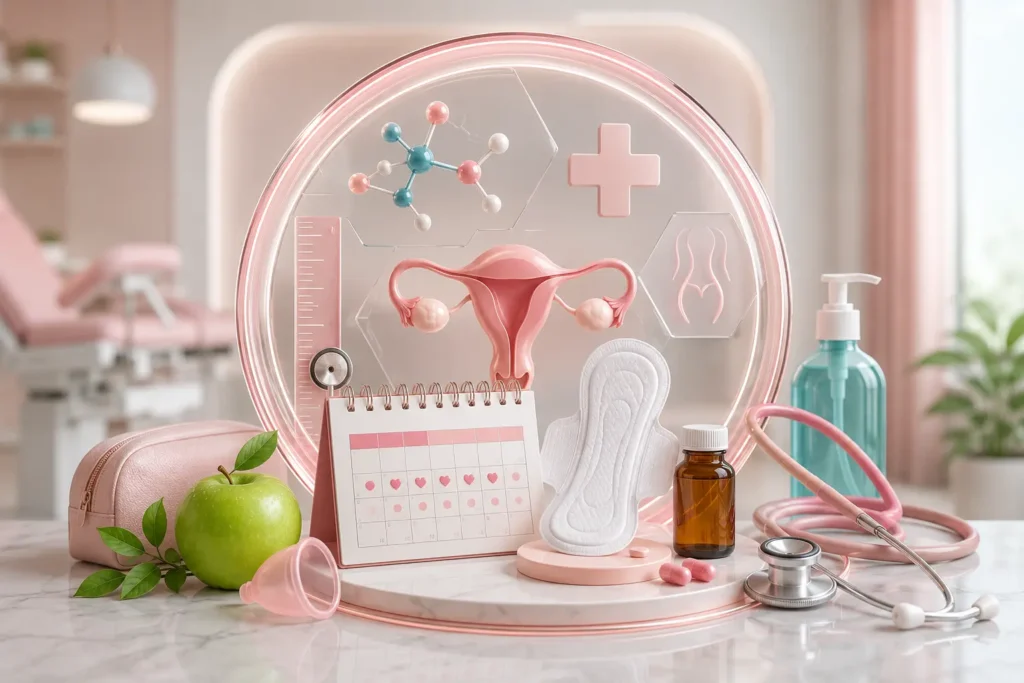
What Is Puberty?
Puberty is the stage when a child’s body begins to mature toward reproductive capability. In girls, puberty usually begins with breast development, followed by height growth, body hair, changes in body shape, skin and sweat changes, vaginal discharge, and eventually the first menstrual period. The ovaries begin producing hormones, the uterus matures, and ovulation may begin gradually.
Puberty does not happen overnight. It usually progresses over several years. During this time, girls may experience mood changes, increased privacy needs, acne, body odour, hair growth, breast tenderness, changing friendships, and emotional sensitivity. Parents may notice that their daughter becomes more independent, more self-conscious, or more affected by comments about her body.
The goal of puberty health management is to help families understand what is normal, identify what needs medical review, and support the teenager without fear or shame.
Normal Pubertal Development in Girls
Pubertal development varies from one child to another. Some girls mature earlier, while others develop later. A typical sequence includes breast budding, growth acceleration, pubic or underarm hair, vaginal discharge, and the first period. The first few menstrual cycles may be irregular because ovulation is not always regular immediately after menarche.
Periods may take one to two years to settle into a predictable pattern. Mild cramps, moderate bleeding, emotional changes, and cycle variation can be normal. However, extremely heavy bleeding, severe pain, long gaps between periods, bleeding that lasts too many days, fainting, excessive acne, sudden weight gain, excess facial hair, or no periods by the expected age should be checked.
A pubertal development assessment helps distinguish normal variation from conditions that need treatment.
When Puberty Starts Too Early
Precocious puberty means pubertal changes begin earlier than expected. In girls, warning signs may include breast development at a very young age, rapid height growth, pubic hair, body odour, acne, or vaginal bleeding before the usual age range. Some children have harmless early changes, while others need evaluation for hormonal activation or an underlying medical cause.
Early puberty can affect emotional wellbeing and final adult height if bones mature too quickly. A child may look older than she feels emotionally. She may feel embarrassed, anxious, or different from peers. Parents may also feel unsure about how to explain body changes.
Evaluation may include growth review, pubertal staging, height and weight assessment, family history, hormone tests, thyroid testing, bone age X-ray, pelvic ultrasound, and specialist referral when needed. Treatment depends on the cause, age, speed of progression, and impact on growth or emotional health.
When Puberty Is Delayed
Delayed puberty may be suspected if breast development has not started by the expected age, if growth is poor, or if periods have not started by the mid-teen years. Some girls develop later because of family pattern, low body weight, intense sports, nutritional deficiency, chronic illness, thyroid disease, hormonal imbalance, or genetic factors.
Delayed puberty can affect confidence, body image, school life, and emotional health. The teenager may compare herself with friends and feel worried or inadequate. A calm medical evaluation can help identify whether observation, nutrition correction, treatment of an underlying illness, or hormonal assessment is needed.
The doctor may review growth charts, diet, exercise, stress, weight changes, chronic medical conditions, family history, breast development, pubertal stage, blood tests, thyroid profile, prolactin, reproductive hormones, and ultrasound when required.
Menstrual Disorders in Adolescents
Menstrual disorders in adolescents are among the most common reasons for teenage gynecology care. Problems may include irregular periods, heavy bleeding, prolonged bleeding, very painful periods, absent periods, frequent periods, spotting, or cycles associated with dizziness and fatigue.
Some irregularity is expected after the first period, but not all menstrual problems should be dismissed as normal. Heavy bleeding can cause anemia, weakness, poor concentration, breathlessness, and school absenteeism. Severe pain may suggest conditions such as endometriosis, infection, obstructive anatomy, or other gynecological problems. Absent or very infrequent periods may be related to PCOS, weight changes, thyroid imbalance, stress, excessive exercise, or hormonal disorders.
Adolescent menstrual health care includes careful history, bleeding pattern review, pain assessment, anemia check, ultrasound when needed, hormone testing when appropriate, and treatment suited to age and diagnosis.
Heavy Periods in Teenagers
Heavy menstrual bleeding may mean soaking pads frequently, passing large clots, bleeding for more than a week, waking at night to change pads, or feeling weak during periods. Teenagers may not know how much bleeding is normal and may hide symptoms due to embarrassment.
Treatment depends on the cause and severity. The doctor may check hemoglobin, iron levels, thyroid function, clotting history, ultrasound findings, and menstrual pattern. Management may include iron treatment, non-hormonal bleeding control, hormonal medicines in selected cases, nutrition support, and follow-up.
Parents should not ignore heavy periods, especially if the girl appears pale, tired, dizzy, or unable to attend school during menstruation.
Painful Periods in Adolescents
Mild cramps are common, but severe period pain that causes vomiting, fainting, school absence, or inability to function should be evaluated. Pain may begin with the first few cycles or worsen over time. It may be associated with backache, bowel discomfort, urinary symptoms, or pelvic pain between periods.
Treatment may include anti-inflammatory medicines, heat therapy, exercise, hydration, cycle tracking, hormonal regulation in selected cases, and further evaluation if pain is severe or progressive. If symptoms suggest endometriosis or another pelvic condition, additional assessment may be advised.
Teenage girls should be taught that pain is real and treatable. They should not be told to simply tolerate severe symptoms.
Adolescent PCOS
Adolescent PCOS can be difficult to diagnose because irregular periods and acne can be normal in the early years after menarche. However, persistent irregular cycles, excess facial hair, severe acne, weight gain, hair thinning, darkened skin folds, or metabolic concerns may suggest PCOS.
PCOS management in adolescents should be careful and not based only on ultrasound appearance. The doctor may review cycle history, acne, hair growth, weight, family history, blood sugar risk, thyroid function, androgen levels when needed, and lifestyle factors.
Treatment may include nutrition guidance, physical activity, weight management when appropriate, acne or hair-growth treatment, cycle regulation, metabolic screening, and long-term follow-up. The aim is not to label the teenager unnecessarily, but to manage symptoms and protect future health.
Ovarian Cysts in Adolescents
Some ovarian cysts in teenagers are functional and resolve naturally. Others, such as dermoid cysts or persistent cysts, may need closer monitoring or treatment. Symptoms may include pelvic pain, heaviness, bloating, irregular periods, or sudden severe pain if torsion or rupture occurs.
Evaluation may include ultrasound, pain history, menstrual pattern, and follow-up scan. Not every cyst needs surgery. Treatment depends on size, appearance, symptoms, and risk. Sudden severe abdominal pain, vomiting, fainting, or fever should be assessed urgently.
Adolescent ovarian surgery, when needed, should be planned carefully to preserve healthy ovarian tissue.
Vaginal Discharge, Hygiene, and Infections
Clear or whitish discharge can be normal during puberty because of hormonal changes. However, discharge with itching, foul smell, green or yellow color, pain, burning urination, fever, or pelvic pain should be evaluated.
Teenage reproductive health education should include menstrual hygiene, safe pad changing, avoiding harsh intimate washes, wearing breathable underwear, proper toilet hygiene, and understanding when symptoms need medical help. Many girls feel embarrassed to discuss discharge or itching. A respectful consultation can prevent untreated infection and unnecessary anxiety.
Self-medication should be avoided because repeated or incorrect treatment can worsen symptoms or delay diagnosis.
Puberty Related Hormonal Changes
Hormonal changes during puberty can affect skin, hair, mood, appetite, growth, body shape, and periods. Acne, oily skin, body odour, and breast tenderness are common. However, severe acne, excess facial hair, rapid weight gain, very irregular periods, or no periods may need hormonal evaluation.
The doctor may check thyroid function, prolactin, reproductive hormones, androgen levels, blood sugar, vitamin deficiencies, or other tests depending on symptoms. Treatment is selected after diagnosis. Hormonal medicines should not be started casually without assessment, especially in teenagers.
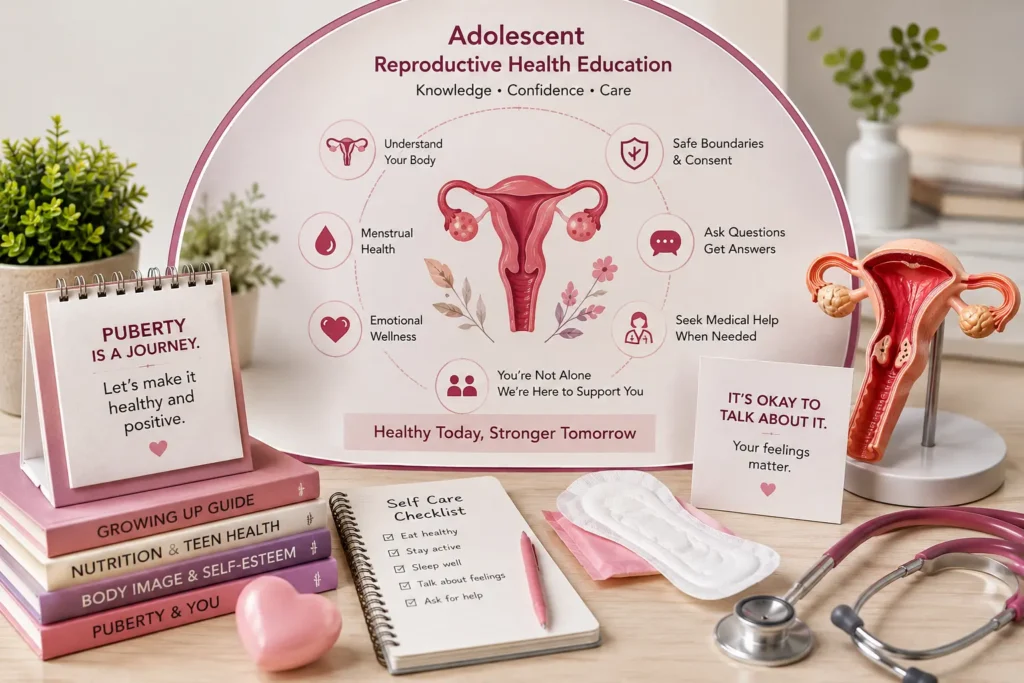
Adolescent Reproductive Health Education
Reproductive health education should be factual, age-appropriate, and respectful. Girls should understand periods, ovulation basics, hygiene, body changes, consent, privacy, safe boundaries, and when to seek medical help. Parents often want to protect their daughters but may feel uncomfortable starting these conversations.
A doctor can help explain puberty in a calm, medically accurate way. This reduces fear, myths, and shame. It also helps teenagers trust their bodies and speak up when something feels wrong.
Confidentiality is important. Teenagers may need a safe space to ask questions privately, while parents also receive guidance when appropriate.
Emotional and Body Image Support
Adolescence affects emotional health. Girls may become more sensitive about body shape, acne, height, weight, breast development, periods, or comparisons with peers. Some may experience mood swings, anxiety, irritability, low confidence, or social withdrawal.
Medical care should include emotional awareness. A teenager with heavy periods may worry about staining clothes at school. A girl with early breast development may feel embarrassed. A teenager with PCOS symptoms may feel distressed by acne or facial hair. These concerns are not superficial. They affect confidence and daily life.
At Ova, adolescent wellness care includes reassurance, privacy, non-judgmental communication, and practical advice for both parents and teenagers.
How Puberty Problems Are Evaluated
Evaluation begins with careful history. The doctor may ask about age at breast development, first period, cycle pattern, bleeding flow, pain, weight changes, height growth, acne, hair growth, diet, exercise, stress, school absence, medications, family history, thyroid disease, diabetes, and chronic illness.
Examination is done respectfully and only when necessary. In many adolescent consultations, detailed internal examination is not required. Assessment may include height, weight, BMI, blood pressure, signs of anemia, acne, hair growth pattern, thyroid examination, and pubertal staging when relevant.
Tests may include complete blood count, iron studies, thyroid profile, blood sugar, hormone tests, vitamin levels, pelvic ultrasound, bone age X-ray, or specialist tests for early puberty. Investigations are chosen based on symptoms, not ordered unnecessarily.
Treatment Options for Puberty and Adolescent Concerns
Treatment depends on diagnosis. Some girls need reassurance and observation. Some need nutrition correction, iron supplements, vitamin D, menstrual pain control, bleeding regulation, infection treatment, PCOS management, acne treatment, weight guidance, or lifestyle support. Others may need endocrine evaluation for early or delayed puberty.
Precocious puberty treatment may involve monitoring, hormone testing, imaging, or referral to pediatric endocrinology. In selected progressive cases, medicines may be used to pause early puberty under specialist care. Delayed puberty treatment may involve nutritional improvement, treatment of chronic illness, hormone evaluation, or specialist management.
The best treatment is not the strongest medicine. It is the most appropriate care for the teenager’s age, symptoms, diagnosis, and emotional needs.
Nutrition, Growth, and Bone Health
Teenage girls need adequate nutrition for growth, periods, bone strength, and hormonal balance. Poor nutrition, crash dieting, eating disorders, excessive exercise, or obesity can all affect puberty and menstrual cycles. Iron deficiency is common in girls with heavy periods. Vitamin D and calcium are important for bone development.
Puberty is a critical time for building bone mass. A balanced diet, protein, calcium, vitamin D, exercise, sleep, and correction of anemia support long-term health. If a teenager has fatigue, dizziness, pale skin, heavy bleeding, poor appetite, or weight loss, medical review is important.
Parents should avoid harsh comments about body weight. Supportive, practical guidance works better than criticism.
Parent Guidance During Puberty
Parents play a major role in adolescent health. Girls need reassurance that puberty changes are normal, periods are manageable, and medical help is available. Parents should prepare daughters before the first period by explaining pads, hygiene, cramps, school preparation, and when to ask for help.
Privacy should be respected. Teenagers may not want every detail discussed publicly or casually. Parents should listen without dismissing symptoms. Statements like “all girls have pain” or “it will settle on its own” can delay care when symptoms are significant.
A parent should seek medical advice if puberty is very early, periods are very heavy, pain is severe, periods do not start by the expected age, cycles are extremely irregular, discharge is abnormal, acne or facial hair is severe, or emotional distress is affecting daily life.
When to Seek Urgent Care
Urgent evaluation is needed for very heavy bleeding, fainting, severe abdominal pain, sudden pelvic pain with vomiting, fever with pelvic pain, foul-smelling discharge, severe weakness, suspected abuse, self-harm thoughts, rapid puberty in a very young child, or severe headache and vision changes with hormonal symptoms.
These signs should not be managed at home. Early assessment protects health and prevents complications.
Why Choose Ova for Puberty Adolescence Treatment?
Ova Fertility & Women Care provides puberty adolescence treatment with a sensitive and medically structured approach. The current Ova page already recognizes adolescence as a transition marked by hormonal changes, reproductive maturation, breast development, uterine and ovarian maturation, irregular or heavy periods, ovarian cysts, menstrual hygiene needs, diet care, and PCOD concerns in young girls. The rewritten page expands that foundation into a complete adolescent gynecology service.
Gynaecology & Endoscopy
Let's Meet Up
contact
Frequently Asked Questions
It is medical care for girls and teenagers experiencing puberty-related concerns such as early puberty, delayed puberty, irregular periods, heavy bleeding, severe cramps, PCOS symptoms, ovarian cysts, hygiene concerns, or emotional distress.
Puberty in girls commonly begins between 8 and 13 years, though timing varies. Very early development or no signs of puberty by the expected age should be reviewed.
Irregular periods can be common in the first one to two years after the first period. However, very heavy bleeding, long gaps, severe pain, or persistent irregularity should be evaluated.
Delayed puberty should be checked if breast development has not started by the expected age, growth is poor, or periods have not started by the mid-teen years.
Signs may include irregular periods, acne, excess facial hair, weight gain, hair thinning, darkened skin folds, or persistent cycle problems. Diagnosis should be careful in teenagers.
Yes. Severe period pain can be treated after identifying the cause. Treatment may include pain medicines, hormonal regulation in selected cases, and further evaluation if symptoms suggest endometriosis or another condition.
No. Many adolescent concerns can be assessed through history, general examination, blood tests, and ultrasound when needed. Internal examination is done only when clinically necessary and with proper consent.
Tests may include growth assessment, hormone tests, thyroid tests, bone age X-ray, pelvic ultrasound, and specialist evaluation depending on age and symptoms.
Parents can explain periods early, provide hygiene products, respect privacy, avoid body-shaming, listen to symptoms, and seek medical care when bleeding, pain, development, or mood changes seem concerning.
Ova provides respectful, age-appropriate puberty health management, menstrual health care, adolescent PCOS assessment, hygiene guidance, and parent counselling in Thane.
Related Searches:
Intrauterine Insemination (IUI) Treatment in Thane, Pre-Implantation Genetic Testing in Thane, Blastocyst Culture And Transfer Clinic in Thane, Laser Assisted Hatching Treatment in Thane, Egg/Sperm/Embryo Cryopreservation Freezing, Endoscopy In Fertility Treatments, Pregnancy Care, Birthing, Ultrasound In Pregnancy, High Risk Pregnancy Treatment Care With ICU Facility, Laparoscopic Surgery, Hysteroscopic Surgery, Menopause, Puberty Adolescence Treatment, Oncofertility,Male Infertility Treatment in Thane, best ivf hospital, ivf specialist, ivf doctor in thane, fertility treatment in thane, dr. snehal kohale ivf specialist
Our Latest Articles
Unexplained Infertility: What It Means When Routine Tests Are Normal
For many couples, receiving normal fertility test reports but still not achieving pregnancy can feel confusing and frustrating. When standard evaluations do not identify a clear reason for difficulty conceiving, doctors may describe the situation as unexplained infertility. This does not mean that there is no reason behind the fertility
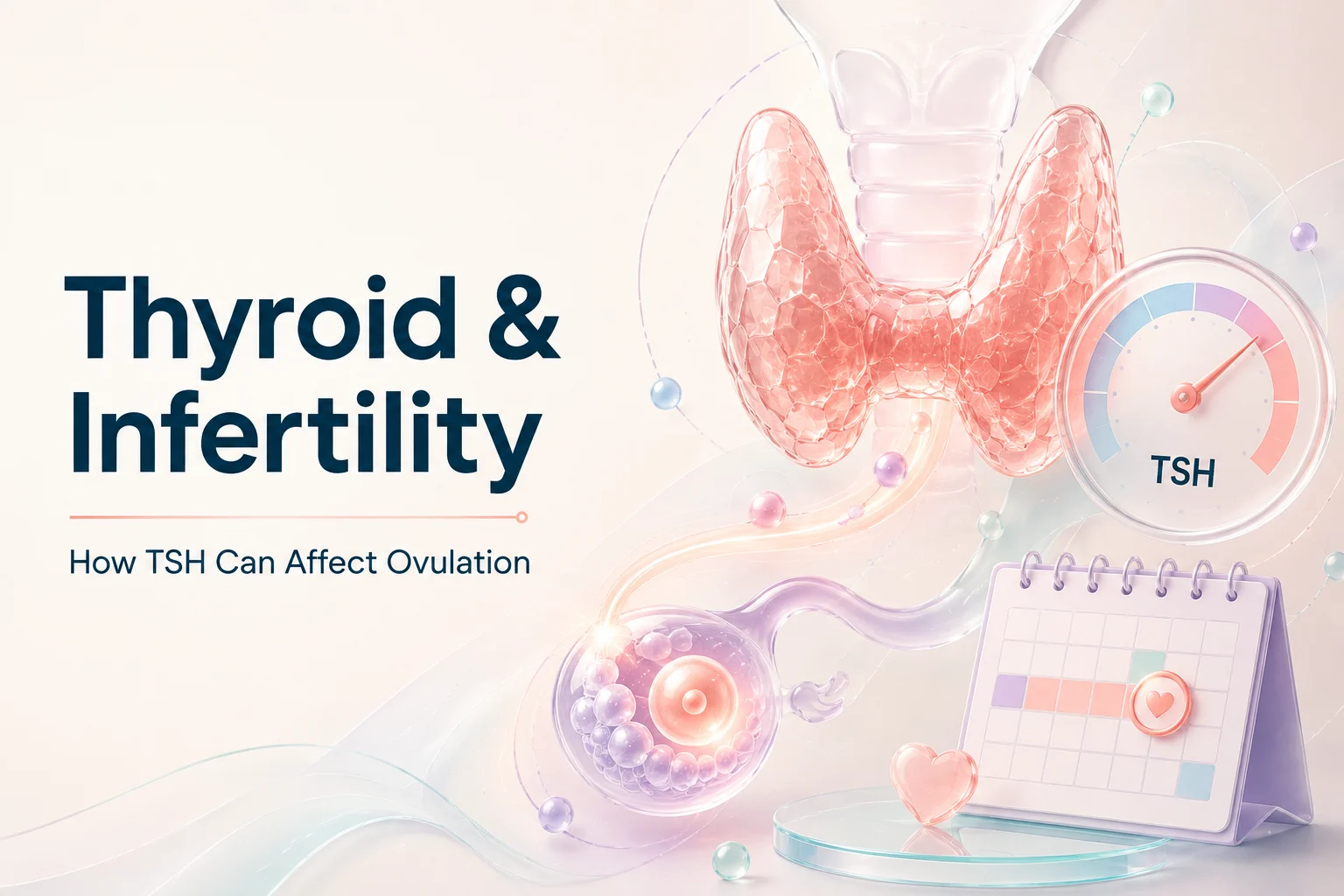
Thyroid and Infertility: How TSH Can Affect Ovulation and Pregnancy Planning
When couples are planning a pregnancy, doctors often evaluate different hormones that play a role in reproductive health. Among these, thyroid hormones are important because they influence metabolism, menstrual cycles, ovulation, and pregnancy preparation. The connection between thyroid and infertility is mainly related to how thyroid hormone imbalance can affect
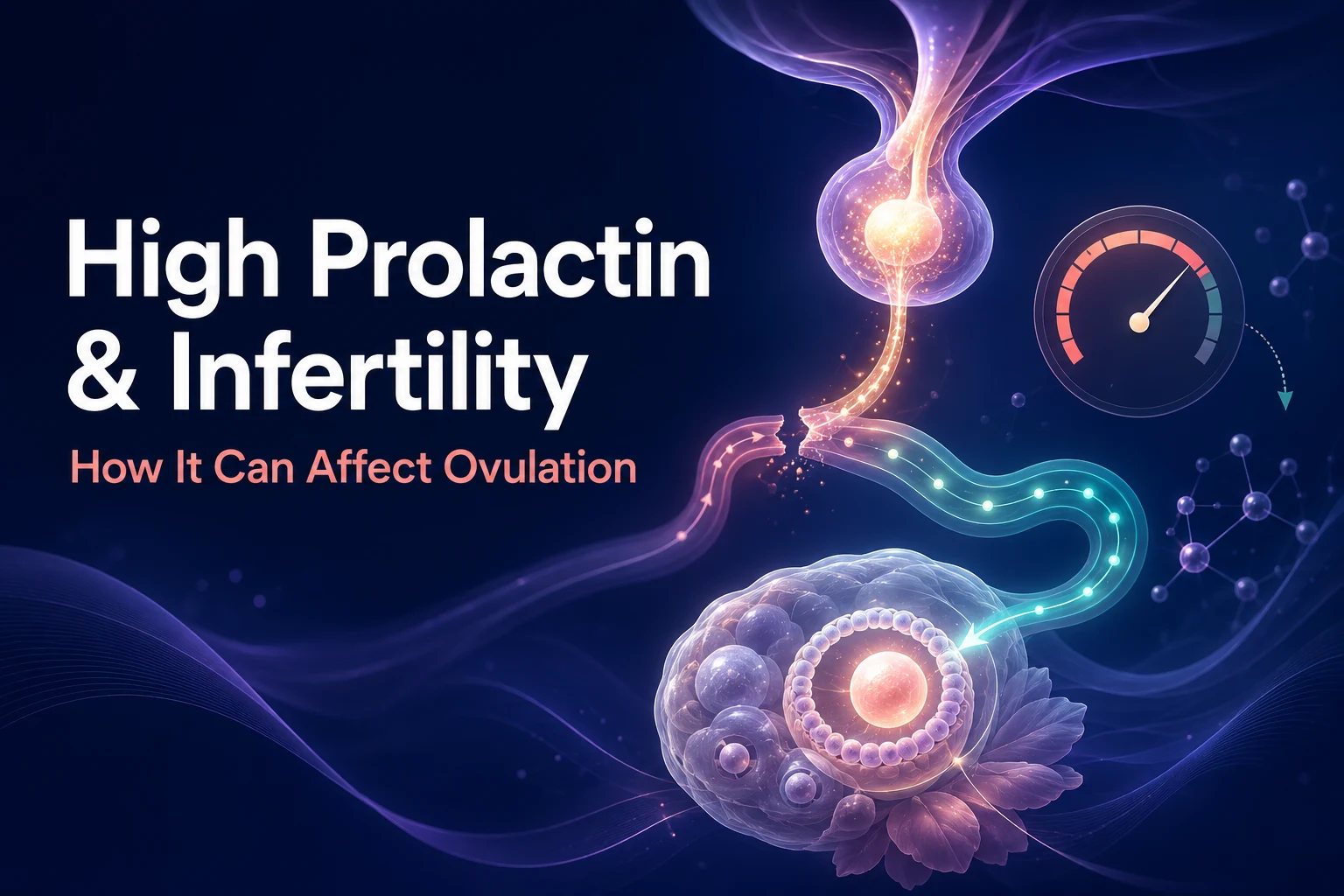
High Prolactin and Infertility: How Prolactin Can Affect Ovulation
When couples are trying to conceive, doctors often evaluate several hormones that influence reproductive health. One of these important hormones is prolactin. While prolactin is best known for its role in breast milk production, abnormal levels can also affect reproductive hormones and ovulation. The connection between high prolactin and infertility