




Male Infertility Treatment in Thane
Home » Male Infertility Treatment in Thane | Causes & Treatment
Why The Ova Care Is Trusted as the Best Fertility and Maternity Hospital

Personalized Support

High Success Rate

24/7 Availablity

5000+ Successful Pregnancies

16+ Years of Experienced Experts

Affordable & Ethical Treatment
Male Infertility Treatment in Thane
Male infertility is often discussed late, sometimes after months or years of testing only the female partner. This delay can have a significant impact on clinical practice. Sperm production, sperm movement, ejaculation, hormones, infections, lifestyle, previous surgery, and genetic factors can all affect conception. At Ova Fertility & Women Care, we provide discreet, structured male infertility treatment in Thane for men and couples who need clear diagnosis, accurate semen interpretation, and a practical treatment plan.
Male fertility should never be approached with blame. It is a medical condition, and in many cases, it can be improved, managed, or supported with the right intervention. Some men need lifestyle correction and medicines. Some need infection treatment, hormonal correction, varicocele assessment, or sperm retrieval. Others need advanced reproductive support when sperm count, motility, or morphology is severely affected. The right decision begins with proper testing.
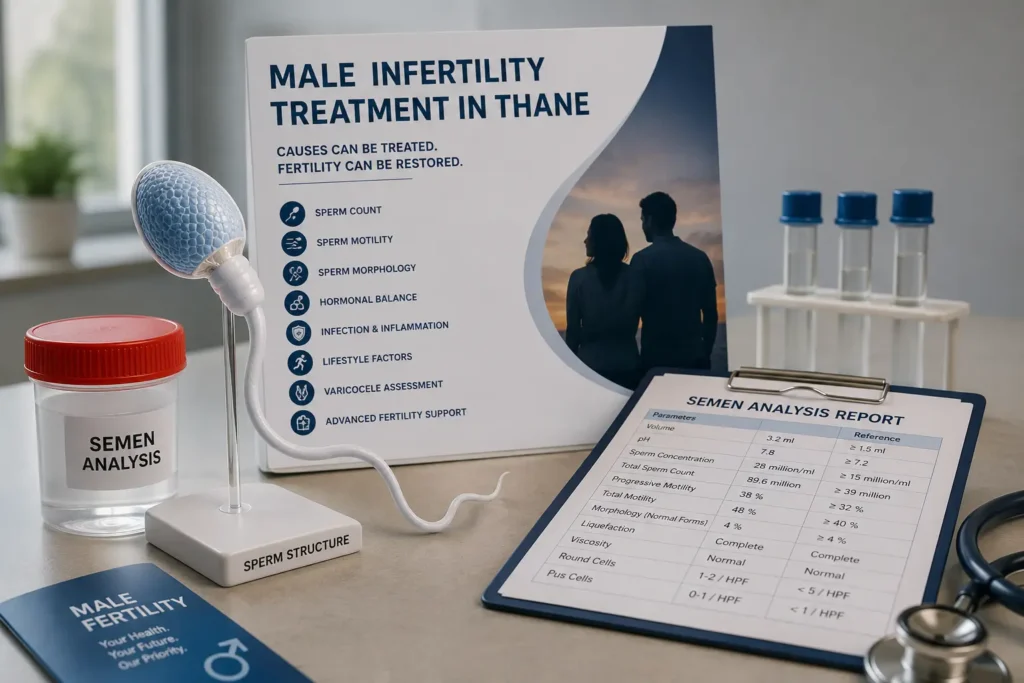
Why Male Fertility Evaluation Matters
A semen report is not just a number. It gives information about semen volume, sperm concentration, total count, progressive motility, overall motility, morphology,liquefaction, pH, viscosity, round cells, pus cells, and infection possibilities. These details help the doctor understand whether the concern is related to sperm production, transport, function, inflammation, or ejaculation.
Ova offers male fertility evaluation in Thane with a couple-based approach. We review the man’s results along with the female partner’s age, ovarian reserve, cycle history, uterus, tubes, and previous treatment attempts. This is important because a mildly abnormal semen report may need a different plan in a young couple than in a couple where age, egg reserve, or past treatment failure is also a concern.
When Should a Man Consult?
A man should seek male fertility testing in Thane if pregnancy has not occurred after one year of regular unprotected intercourse, or after six months if the female partner is above 35. Consultation is also advised earlier if there is a known low sperm count, poor sperm motility, abnormal sperm morphology, zero sperm count, varicocele, undescended testis, diabetes, thyroid disease, erectile or ejaculation difficulty, recurrent genital infection, previous hernia or scrotal surgery, chemotherapy, radiation exposure, smoking, heavy alcohol use, anabolic steroid use, or repeated pregnancy loss.
Men who already have an abnormal semen analysis should not wait without review. One abnormal report may need repeat confirmation, but persistent abnormalities require clinical assessment. Delayed evaluation can reduce options, especially when sperm production is declining or the female partner’s reproductive age is advancing.
Common Causes of Male Infertility
Male factor infertility may arise from problems in sperm production, sperm transport, sperm function, hormones, sexual performance, lifestyle, or general health. Low sperm production may be linked to varicocele, undescended testes, genetic conditions, testicular injury, infections, heat exposure, toxins, chemotherapy, radiation, or long-term illness. Sperm transport problems may occur after vasectomy, infection, trauma, ejaculatory duct obstruction, absence of the vas deferens, or surgery around the groin and pelvis.
Hormonal causes include low testosterone, pituitary disorders, abnormal FSH or LH levels, thyroid imbalance, high prolactin, obesity-related hormonal disturbance, and metabolic conditions. Sexual causes include erectile dysfunction, premature ejaculation, retrograde ejaculation, spinal cord injury, diabetes-related nerve problems, and certain medications. Lifestyle factors such as smoking, alcohol, recreational drugs, poor sleep, high stress, sedentary habits, obesity, heat exposure, and anabolic steroids can also affect sperm quality.
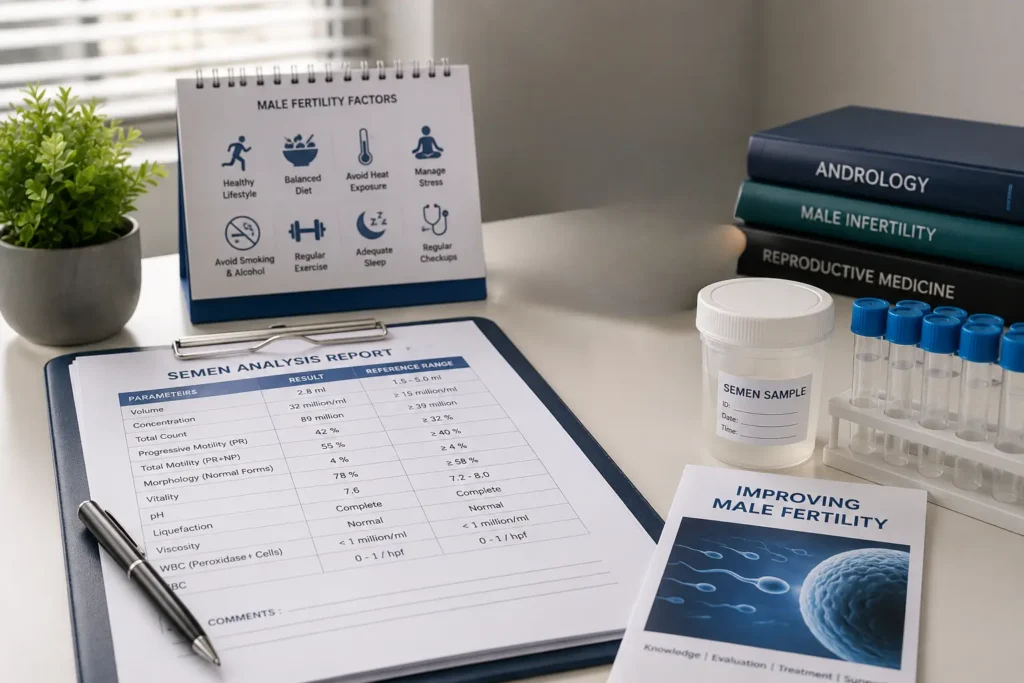
Understanding Semen Report Terms
Many patients come to consultation worried because their report contains unfamiliar words. Oligospermia or oligozoospermia means the sperm count is below the reference range. Asthenozoospermia means sperm movement is reduced, especially progressive motility. Teratozoospermia means a lower percentage of sperm have normal shape. Azoospermia means no sperm are seen in the semen sample. Some men have mixed findings, such as low count with poor motility and abnormal morphology.
These terms do not automatically mean fatherhood is impossible. They indicate the type and severity of the problem. Low sperm count treatment in Thane may involve lifestyle change, medicines, hormone assessment, varicocele evaluation, infection treatment, antioxidant support, or assisted reproductive planning depending on the cause. Poor sperm motility treatment in Thane also depends on whether the reason is infection, oxidative stress, varicocele, prolonged abstinence, lifestyle, or a deeper sperm-function problem.
Oligospermia Treatment in Thane
Oligospermia can be mild, moderate, or severe. A single semen report is not enough to decide the final plan because sperm parameters can vary with fever, stress, illness, abstinence interval, medication, alcohol intake, and laboratory conditions. At Ova, the report is interpreted with history, examination, and repeat testing when necessary.
Treatment may include correcting lifestyle factors, reducing heat exposure, stopping tobacco, improving weight and metabolic health, treating infection, reviewing medicines, assessing hormones, and evaluating for varicocele. In severe cases, treatment planning may need advanced reproductive support. The decision is based on sperm count, motility, female partner factors, duration of trying, and previous treatment history.
Azoospermia Treatment in Thane
Azoospermia requires careful evaluation because it can be obstructive or non-obstructive. In obstructive azoospermia, sperm production may be present, but sperm cannot reach the semen because of blockage or absence of ducts. In non-obstructive azoospermia, sperm production itself may be very low or absent.
Evaluation may include repeat semen analysis with centrifugation, hormone profile, testicular examination, scrotal ultrasound, genetic testing, and sometimes further andrology assessment. Treatment options may include correcting obstruction in selected cases, sperm retrieval procedures when appropriate, hormonal management in specific conditions, or counselling about realistic possibilities. Azoospermia should never be judged from one report alone without specialist review.
Abnormal Sperm Morphology and DNA Quality
A sperm’s morphology refers to its shape. A low morphology score may reduce the chance of natural fertilization, especially when count and motility are also affected. However, morphology must be interpreted carefully because reporting methods vary and one parameter alone does not define fertility potential.
Some men may also need sperm DNA fragmentation testing, especially in cases of repeated treatment failure, recurrent pregnancy loss, varicocele, advanced paternal age, smoking, infection, or unexplained poor embryo development. DNA fragmentation is not part of every routine assessment, but it can provide useful information in selected cases. A variety of treatment options may be available to reduce oxidative stress, treat infection, improve lifestyle, correct varicocele when necessary, and select the most suitable reproductive technique.
Varicocele and Male Reproductive Health
Varicocele is an enlargement of veins around the testis and is one of the Findings regarding male reproductive health care in Thane that can be corrected. It may affect testicular temperature, sperm production, motility, morphology, and DNA quality. Not every varicocele needs surgery. The decision depends on semen results, symptoms, testicular size, duration of infertility, female partner factors, and whether the varicocele is clinically significant.
At Ova, patients with suspected varicocele are assessed clinically and with ultrasound when needed. If correction is likely to help, the patient is counselled about expected benefits and timelines. Sperm improvement, when it occurs, usually takes time because sperm production follows a biological cycle.
Diagnostic Tests We May Advise
The first test is usually semen analysis, performed after the recommended abstinence period. If the report is abnormal, a repeat test may be advised because sperm values can fluctuate. Additional tests may include semen culture, hormonal profile including FSH, LH, testosterone, prolactin and thyroid tests, scrotal ultrasound, sperm DNA fragmentation, genetic testing, post-ejaculatory urine test for retrograde ejaculation, and testicular biopsy or sperm retrieval assessment in selected cases.
Testing is not ordered as a checklist. Each investigation should answer a clinical question. This avoids unnecessary cost and helps patients understand why a test is being advised.
Treatment for Male Infertility in Thane
Treatment depends on the cause. Lifestyle treatment includes stopping smoking, reducing alcohol, avoiding recreational drugs, improving sleep, weight management, exercise, diabetes control, reducing heat exposure, and avoiding unnecessary testosterone or gym steroids. Medical treatment may include infection treatment, antioxidant support, hormone correction, or medicines for sexual or ejaculation problems. Surgical or procedural care may be considered for selected varicocele, obstruction, or sperm retrieval needs.
When sperm parameters are severely affected, advanced reproductive support may be recommended. ICSI can help in selected male-factor cases because a single suitable sperm is injected into an egg in the laboratory. This does not replace male evaluation; it works best when sperm selection, sample preparation, and female factors are also properly managed. The couple receives counselling about benefits, limits, and alternatives before any plan is finalized.
A responsible plan also includes follow-up. Semen improvement, if expected, is usually assessed after about three months because sperm development takes time. The doctor may repeat semen analysis, review lifestyle adherence, adjust medicines, and decide whether continuing medical treatment is reasonable or whether the couple should move to the next step. This prevents endless tablets without progress and also prevents premature escalation. Patients are given clear milestones so they know what is being treated, how improvement will be measured, and when the plan should change. This keeps care evidence based, time sensitive, and emotionally steady throughout.
Privacy, Comfort, and Couple-Based Counselling
Male infertility can affect confidence, relationships, and emotional health. Many men delay consultation because of embarrassment or fear of judgement. Ova provides private, respectful counselling where reports are discussed clinically and sensitively. The purpose is to identify the cause and improve the chance of conception, not to assign fault.
We also counsel couples together when appropriate, because fertility is a shared medical concern. A man’s report may affect the plan, but the final treatment choice depends on both partners. Clear communication reduces anxiety and helps couples take decisions without pressure.
Your First Consultation at Ova
Carry previous semen reports, blood tests, ultrasound reports, surgery records, infection history, medicines, and details of previous fertility attempts. The doctor will review your history, sexual health, lifestyle, medical conditions, occupation, exposure to heat or chemicals, past infections, and family history. A physical examination or referral for andrology assessment may be advised when required.
After reviewing the findings, the team explains whether the issue appears mild, moderate, severe, reversible, or needs advanced support. You receive a practical plan with timelines, tests, treatment choices, and follow-up. This structured approach makes Ova a trusted centre for male factor infertility treatment in Thane.
Local Care for Men Across Thane
Ova Fertility & Women Care serves patients from Kasarvadavali, Ghodbunder Road, Manpada, Waghbil, Hiranandani Estate, Kolshet, Majiwada, Vasant Vihar, Pokhran Road, Kalwa, Mulund, Airoli, Dombivli, and nearby areas. Local access is useful because semen testing, repeat evaluation, medication review, and couple counselling may require follow-up visits.
Fertility Treatments
Let's Meet Up
contact
Frequently Asked Questions
Semen analysis is usually the first test. It checks sperm count, concentration, motility, morphology, semen volume, liquefaction, pH, and signs of infection or inflammation. Abnormal results may need repeat testing and further evaluation.
In some men, low sperm count improves after lifestyle correction, infection treatment, hormone management, varicocele treatment, or stopping harmful substances such as tobacco, alcohol, drugs, or anabolic steroids. Severe cases may need advanced reproductive support.
Azoospermia may be treatable depending on whether it is obstructive or non-obstructive. Proper evaluation is essential before deciding whether medicines, surgery, sperm retrieval, or other options are suitable.
Poor motility treatment depends on the cause. Infection, varicocele, oxidative stress, smoking, heat exposure, metabolic disease, and abstinence interval can affect movement. Treatment is individualized after report review.
Yes. Male factors can exist even when the female partner’s reports are normal. Evaluating both partners prevents delay and improves treatment planning.
Yes. Ova provides discreet consultation and confidential report discussion for male reproductive health concerns.
Related Searches:
Intrauterine Insemination (IUI) Treatment in Thane, Pre-Implantation Genetic Testing in Thane, Blastocyst Culture And Transfer Clinic in Thane, Laser Assisted Hatching Treatment in Thane, Egg/Sperm/Embryo Cryopreservation Freezing, Endoscopy In Fertility Treatments, Pregnancy Care, Birthing, Ultrasound In Pregnancy, High Risk Pregnancy Treatment Care With ICU Facility, Laparoscopic Surgery, Hysteroscopic Surgery, Menopause, Puberty Adolescence Treatment, Oncofertility,Male Infertility Treatment in Thane, best ivf hospital, ivf specialist, ivf doctor in thane, fertility treatment in thane, dr. snehal kohale ivf specialist
Our Latest Articles
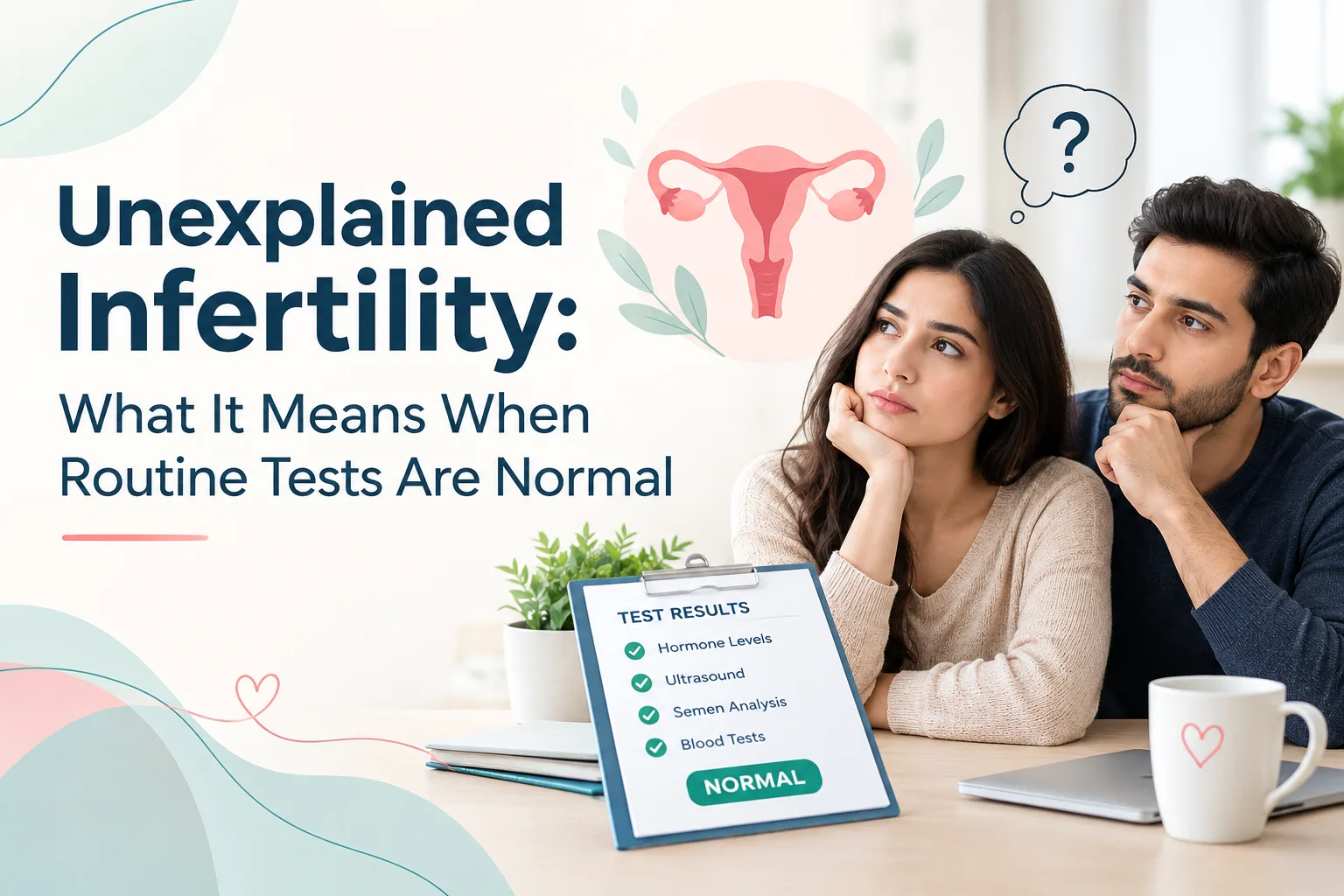
Unexplained Infertility: What It Means When Routine Tests Are Normal
For many couples, receiving normal fertility test reports but still not achieving pregnancy can feel confusing and frustrating. When standard evaluations do not identify a clear reason for difficulty conceiving, doctors may describe the situation as unexplained infertility. This does not mean that there is no reason behind the fertility
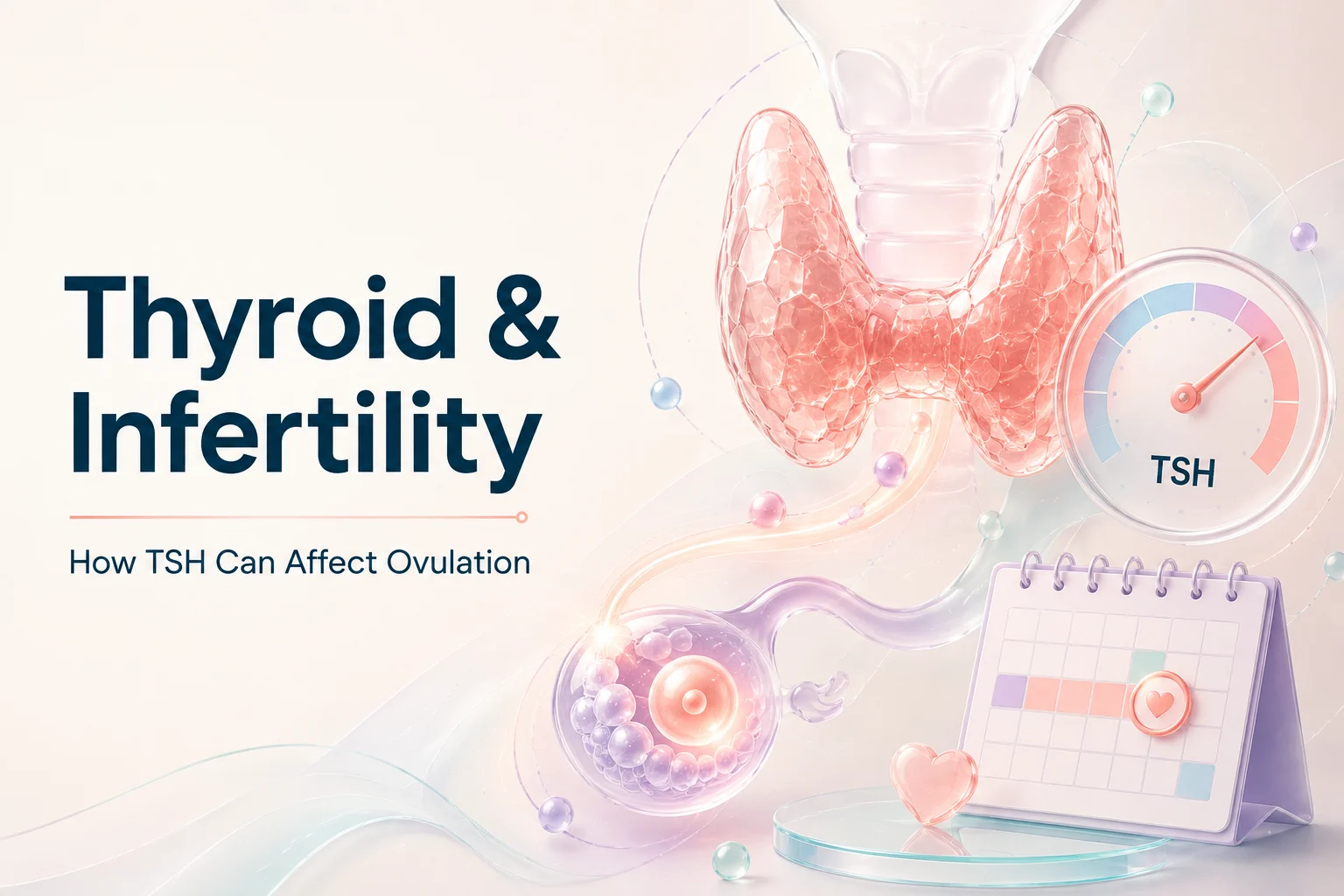
Thyroid and Infertility: How TSH Can Affect Ovulation and Pregnancy Planning
When couples are planning a pregnancy, doctors often evaluate different hormones that play a role in reproductive health. Among these, thyroid hormones are important because they influence metabolism, menstrual cycles, ovulation, and pregnancy preparation. The connection between thyroid and infertility is mainly related to how thyroid hormone imbalance can affect
High Prolactin and Infertility: How Prolactin Can Affect Ovulation
When couples are trying to conceive, doctors often evaluate several hormones that influence reproductive health. One of these important hormones is prolactin. While prolactin is best known for its role in breast milk production, abnormal levels can also affect reproductive hormones and ovulation. The connection between high prolactin and infertility