




Oncofertility Treatment in Thane
Home » Best Oncofertility Treatment in Thane: Book an Appointments
Oncofertility Treatment in Thane
A cancer diagnosis can change medical priorities within hours, but future fertility should still be discussed before chemotherapy, radiation therapy, pelvic surgery, hormone therapy, or stem cell transplant begins. Oncofertility treatment brings cancer care and reproductive medicine together so patients can understand fertility risks, available preservation options, treatment timelines, consent requirements, and realistic chances for future pregnancy after cancer care.
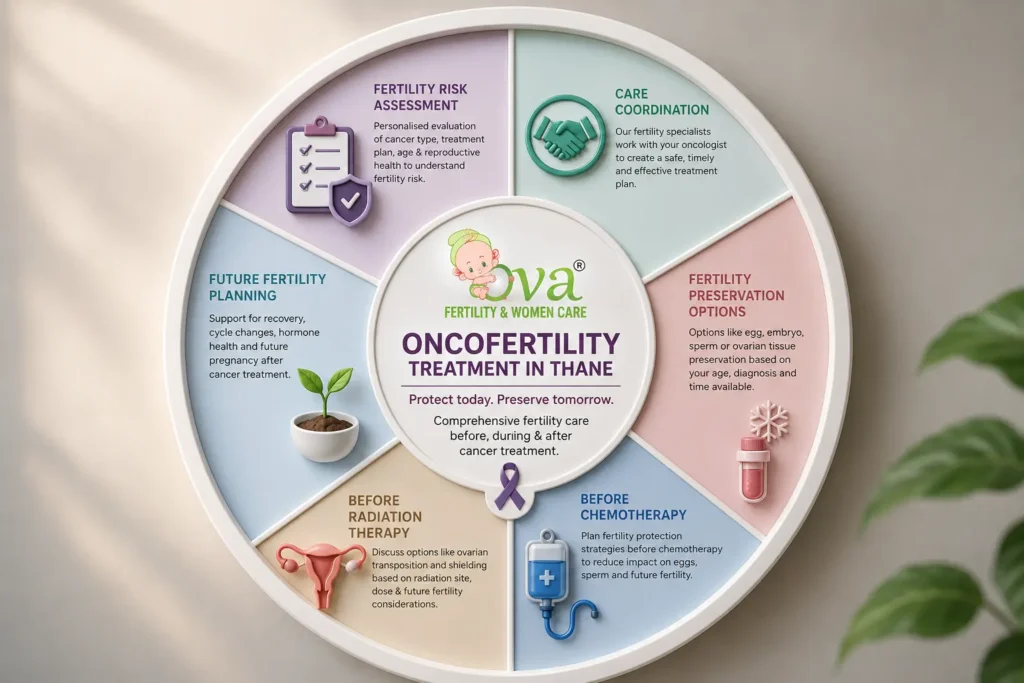
At Ova Fertility & Women Care, oncofertility treatment in Thane is provided for women, men, adolescents, and young cancer patients who need urgent fertility counselling before or during cancer treatment planning. The goal is not to delay cancer care unnecessarily. The goal is to help patients make an informed reproductive decision in coordination with their oncologist before fertility-damaging treatment starts.
Many cancer treatments are life-saving, but they may affect the ovaries, testes, uterus, hormones, or reproductive cells. The level of risk depends on age, cancer type, drug combination, radiation field, dose, surgery site, treatment urgency, and baseline reproductive health. Some patients may retain fertility after treatment. Others may have reduced fertility, early menopause, ovarian failure, sperm damage, or difficulty conceiving later. Early counselling gives patients the best chance to protect future reproductive options.
What Is Oncofertility?
Oncofertility is a specialized area of care that combines oncology and reproductive medicine. It helps cancer patients understand how treatment may affect fertility and which options may be available before cancer therapy begins. It also supports reproductive health after cancer treatment, including cycle changes, ovarian function review, sexual health, hormonal recovery, future pregnancy planning, and survivor fertility care.
Oncofertility care is time-sensitive. In many cases, fertility planning must be completed within days or a few weeks. Some preservation methods need ovarian stimulation, sample collection, surgical coordination, or laboratory preparation. In urgent cancer cases, there may be less time, and the treatment plan must be adapted accordingly.
The most important principle is coordination. No fertility plan should interfere with cancer treatment unless the oncologist confirms that a short delay is medically acceptable. Ova works with the patient’s oncology plan and explains which reproductive options are possible within the available time.
Why Fertility Counselling Before Cancer Therapy Matters
Cancer treatment can affect fertility even when the cancer itself is not in the reproductive organs. Chemotherapy may damage eggs or sperm depending on the medicines used and the total dose. Radiation therapy may affect ovaries, testes, uterus, pituitary gland, or pelvic organs if they are within or near the treatment field. Pelvic surgery may remove or damage reproductive organs. Hormone therapy may suppress reproductive function for long periods. Stem cell transplant often involves strong chemotherapy or radiation and may carry a high risk to fertility.
Fertility counseling before cancer therapy helps patients ask the right questions early. Will my treatment affect fertility? How urgent is cancer treatment? Can fertility preservation be done safely before treatment? Which option fits my age, diagnosis, partner status, and timeline? Will my cancer type make hormone exposure unsafe? What can be done if treatment must start immediately?
These questions are difficult to ask during a cancer diagnosis, but they matter. Patients often regret not being told about fertility options before treatment. A short, focused oncofertility consultation can help families make a decision quickly and clearly.
Fertility Risk Assessment in Cancer
Fertility risk assessment begins with understanding the cancer diagnosis and planned treatment. The doctor reviews age, menstrual history, ovarian reserve when relevant, semen parameters when relevant, previous reproductive history, cancer type, surgery plan, chemotherapy protocol, radiation field, expected start date, and oncologist’s recommendations.
For women, the assessment may include menstrual history, ultrasound, ovarian reserve testing, and review of whether ovarian stimulation is medically suitable. For men, semen analysis and sample preservation planning may be discussed. For adolescents and children, puberty status, parental consent, cancer urgency, and specialist coordination become important.
The risk is not the same for every patient. A young woman receiving low-risk treatment may have different options from a patient receiving pelvic radiation or high-dose chemotherapy. A man starting chemotherapy tomorrow needs a different plan from a couple who has two to three weeks before treatment. Oncofertility care must be individualized.
Fertility Preservation Before Chemotherapy
Chemotherapy can reduce fertility by damaging reproductive cells. Some medicines carry higher risk than others, and risk increases with dose, combinations, and age. Before chemotherapy starts, patients should be counselled about fertility protection during cancer treatment.
Women may be offered reproductive preservation options depending on time available and medical suitability. If there is enough time before chemotherapy, ovarian stimulation may be possible. If treatment must start urgently, alternatives may be discussed. Some women may also be offered ovarian suppression medicines during chemotherapy as an additional protective strategy, although this is not a replacement for established fertility preservation methods.
Men should ideally receive fertility counselling before the first chemotherapy cycle. Sperm quality may be affected after treatment begins, so sample preservation should be discussed early whenever possible.
Fertility Preservation Before Radiation Therapy
Radiation therapy affects fertility depending on the treatment area and dose. Pelvic radiation can damage ovaries, uterus, testes, or reproductive organs. Radiation to the brain can affect hormone signals that control reproduction. Scatter radiation may also expose nearby reproductive tissue.
Before radiation, patients may need discussion about shielding, ovarian transposition, reproductive preservation options, and future pregnancy risks. Ovarian transposition means moving the ovaries away from the radiation field in selected women before pelvic radiation. It is not suitable for every cancer type and does not fully remove all risk, but it may be useful in carefully chosen cases.
Radiation-related fertility planning must be coordinated with the radiation oncologist. The fertility team needs to know the radiation site, start date, expected dose, and whether ovarian or uterine exposure is expected.
Cancer Fertility Preservation Options
Oncofertility services may include different preservation strategies depending on age, sex, puberty status, diagnosis, relationship status, treatment urgency, and medical safety. Some options involve preserving reproductive cells or embryos for later use. Others involve protecting reproductive organs from treatment exposure or suppressing ovarian activity during chemotherapy.
For women who have time before treatment, ovarian stimulation and reproductive cell preservation may be considered. For women with a partner or those using donor sperm, embryo-based preservation may be discussed. For prepubertal girls or urgent cases where stimulation is not possible, ovarian tissue preservation may be considered in specialized settings. For men, semen preservation is usually the fastest and most established option. For boys before puberty, testicular tissue preservation may be discussed in specialized centres where appropriate.
Because your separate cryopreservation page already targets egg, sperm, and embryo freezing, this page should use preservation terms carefully and keep the focus on cancer-related decision-making, counselling, urgency, and care coordination.
Oncofertility Care for Women
Women facing cancer treatment need clear counselling about reproductive risk and available timelines. Important factors include age, ovarian reserve, cancer type, whether the cancer is hormone-sensitive, whether chemotherapy can be delayed, whether pelvic radiation is planned, and whether future pregnancy may be medically safe.
Some women are unmarried or do not want to use donor sperm. Some are married and may consider embryo-based planning. Some are too young for ovarian stimulation. Some need cancer treatment urgently. Some have hormone-sensitive cancers where stimulation needs special protocols and oncology approval. These differences must be respected.
Oncofertility care for women may include ovarian reserve evaluation, pelvic scan, treatment-timeline review, discussion of preservation options, hormone-safety coordination with the oncology team, consent counselling, and future reproductive planning after remission.
Oncofertility Care for Men
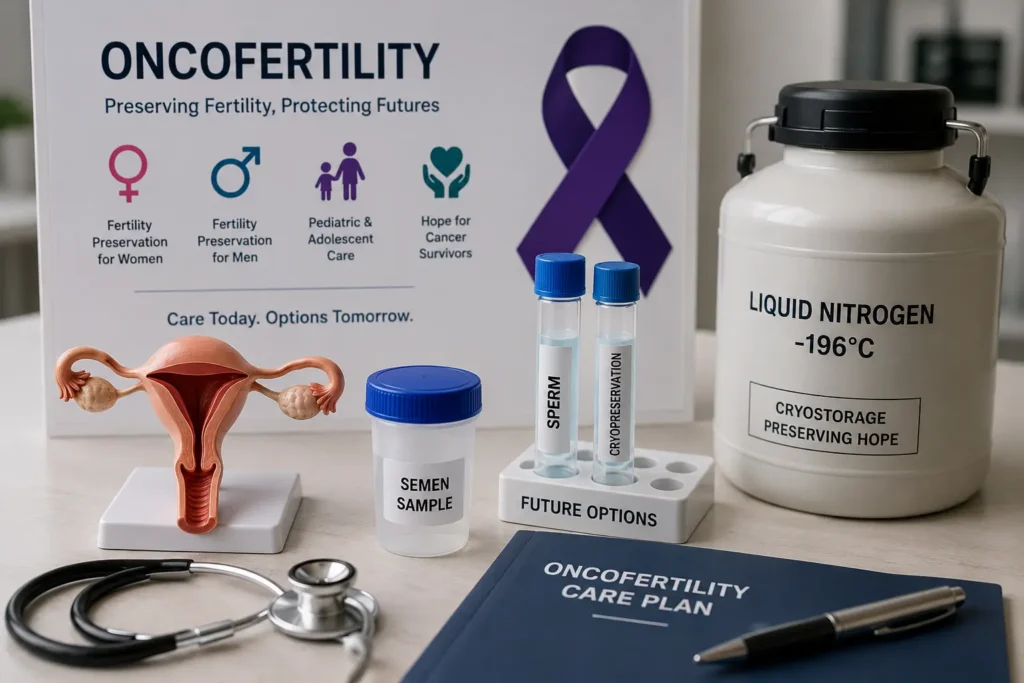
Cancer treatment can affect sperm production, sperm DNA, testosterone function, and future fertility. Men may need urgent counselling before chemotherapy, radiation, testicular surgery, or pelvic cancer treatment. Semen preservation is often possible quickly and may be arranged before treatment starts.
If semen count is very low, multiple samples or advanced sperm-retrieval options may be discussed depending on time and diagnosis. For boys who have not reached puberty, fertility preservation is more complex and requires specialized counselling.
Men should not assume fertility will return after cancer treatment. Some recover sperm production; others do not. Early preservation gives more options.
Pediatric and Adolescent Oncofertility
Children and adolescents with cancer need special sensitivity. Parents or guardians usually make medical decisions, but the child or teenager should be included in age-appropriate discussions whenever possible. Puberty status strongly affects available options.
Adolescent girls who have started puberty may have some adult-like preservation options if time and medical condition permit. Younger girls may require discussion of ovarian tissue preservation in specialized settings. Adolescent boys who can provide a sample may be counselled accordingly. Younger boys may need referral-based discussion for experimental or specialized options.
Emotional support is essential. Young patients may not fully understand future fertility, but many survivors later value having had the choice preserved. Counselling should be compassionate, private, and respectful.
Cancer Survivor Fertility Care
Oncofertility does not end when cancer treatment finishes. Survivors may need reproductive health review after chemotherapy, radiation, surgery, or hormone therapy. Some women may resume periods but still have reduced ovarian reserve. Some may stop periods temporarily or permanently. Some may develop early menopause symptoms. Some men may need semen analysis after treatment to assess recovery.
Cancer survivor fertility care may include menstrual review, hormone assessment, ovarian reserve testing, semen analysis, sexual health support, contraception counselling, pregnancy timing advice, and coordination with the oncology team before attempting pregnancy.
Future pregnancy after cancer should be planned carefully. The oncologist may advise waiting for a defined period depending on cancer type, recurrence risk, medicines, and overall health. Reproductive planning after cancer should never be separated from oncology follow-up.
Reproductive Health After Cancer
Cancer treatment may affect more than fertility. It can affect hormonal health, sexual comfort, menstrual cycles, vaginal health, libido, body image, emotional wellbeing, and confidence. Women may experience vaginal dryness, painful intercourse, early menopause, irregular cycles, or fear of pregnancy after cancer. Men may experience sperm changes, sexual concerns, or anxiety about genetic risk and treatment effects.
Reproductive health after cancer requires medical and emotional care. Patients may need hormone counselling, menstrual support, fertility testing, sexual health advice, and reassurance about what is safe. Some may need referral to oncology, endocrinology, genetics, psychology, or sexual health specialists.
Good cancer reproductive health care respects both survival and quality of life.
Oncology Coordination: The Most Important Step
Every oncofertility plan must be coordinated with the oncology team. The fertility doctor needs to know the cancer diagnosis, stage, planned treatment, expected start date, whether treatment can be delayed, whether hormones are safe, whether surgery is planned, and whether radiation may involve the pelvis or brain.
The oncologist helps decide what is medically acceptable. The fertility team explains reproductive options within that window. The patient and family then make a decision based on safety, time, cost, consent, and future goals.
This coordination prevents unsafe delay. Cancer treatment remains the priority. Fertility preservation is planned around it whenever possible.
Urgent Oncofertility Pathway at Ova
A patient newly diagnosed with cancer should seek oncofertility counselling as soon as possible. The first consultation focuses on speed and clarity. Patients are asked to bring the cancer diagnosis, biopsy report, oncologist’s note, chemotherapy or radiation schedule, surgery plan, current medicines, blood reports, scan reports, menstrual history, partner details if relevant, and any previous fertility or reproductive health records.
The doctor reviews fertility risk, available time, likely options, safety concerns, and whether oncology approval is needed. If preservation is possible, the next steps are planned quickly. If time is too short for one option, alternatives are discussed. If fertility preservation is not safe or not feasible, patients still receive counselling about future reproductive health and survivor care.
This urgent pathway is designed to reduce confusion at a time when families are already under stress.
Safety and Limitations
Oncofertility treatment protects future reproductive options, but it cannot guarantee pregnancy or live birth. Some preserved material may not survive future use. Some patients may not be medically fit for certain procedures. Some cancers require immediate treatment. Some hormone-sensitive cancers need special caution. Some patients may be advised not to delay chemotherapy even for a short period.
Preservation success depends on age, reproductive health before cancer treatment, quality of preserved material, cancer treatment received, future health, uterine condition, sperm or egg quality, laboratory outcomes, and future medical clearance for pregnancy.
Honest counselling is essential. The aim is to preserve possibility, not promise certainty.
Consent, Storage, and Future Use
Oncofertility planning includes consent. Patients should understand what is being preserved, who can use it in the future, how long storage is planned, what renewal requirements apply, what happens if storage is discontinued, and what choices exist if the patient does not use the preserved material.
Embryo-related decisions may involve partner consent. For minors, parent or guardian consent is usually required, with age-appropriate assent from the child when possible. Storage decisions should be documented carefully because future circumstances may change.
Patients should ask about identification systems, storage process, future-use steps, and follow-up requirements.
Emotional Support During Oncofertility Care
A cancer diagnosis is frightening. Fertility counselling at this time can feel overwhelming, especially for young women, unmarried patients, couples who have not yet had children, adolescents, and parents making decisions for a child. Patients may feel rushed, angry, numb, or unable to think about the future.
A sensitive oncofertility consultation does not pressure the patient. It provides clear information, explains choices, respects urgency, and supports the family in making a decision. Some patients choose preservation. Some choose to proceed directly with cancer treatment. Both decisions deserve respect when made with proper counselling.
Emotional support is part of medical care.
Questions to Ask Before Cancer Treatment Starts
Before chemotherapy, radiation, or reproductive organ surgery begins, ask your oncologist whether treatment may affect fertility, how urgent treatment is, whether a short delay is safe, whether the cancer is hormone-sensitive, whether pelvic radiation is planned, and whether future pregnancy may be allowed.
Ask the fertility specialist which preservation options fit your timeline, what tests are needed, whether hormones are safe, what the process involves, what the limitations are, what storage requires, and how future use may work after cancer treatment.
These questions help patients make fast but informed decisions.
Why Choose Ova for Oncofertility Treatment in Thane?
Ova Fertility & Women Care provides oncofertility care in Thane with a focus on urgent counselling, fertility risk assessment, cancer reproductive health, fertility planning before cancer treatment, reproductive health after cancer, and compassionate decision support. The current Ova page already highlights the rising impact of cancer in reproductive-age patients, the threat of chemotherapy and radiation to reproductive organs, the role of awareness, and preservation options for female and male patients. This rewrite strengthens that foundation with a clearer medical pathway and more responsible counselling language.
Let's Meet Up
contact
Frequently Asked Questions
Oncofertility is the field that combines cancer care and reproductive medicine. It helps patients understand fertility risks from cancer treatment and plan preservation options when possible.
Consult as soon as cancer treatment is being planned, ideally before chemotherapy, radiation, pelvic surgery, hormone therapy, or stem cell transplant begins.
It should not delay cancer treatment unless the oncologist confirms that a short delay is safe. The fertility plan must be coordinated with the oncology team.
Yes. Some chemotherapy medicines can damage eggs, sperm, or reproductive organs. The risk depends on drug type, dose, age, and treatment plan.
Yes. Radiation near the pelvis, reproductive organs, or brain hormone centers can affect fertility. Risk depends on the radiation field and dose.
No. Men, women, adolescents, and children may need fertility counselling before cancer treatment. Available options depend on age, puberty status, and treatment urgency.
Yes. Pediatric and adolescent oncofertility requires parent or guardian consent, age-appropriate counselling, and coordination with the oncology team.
No. It preserves future reproductive options but cannot guarantee pregnancy or live birth. Outcomes depend on age, treatment, reproductive health, and future medical condition.
Bring cancer diagnosis reports, biopsy reports, oncologist notes, treatment schedule, scan reports, blood reports, current medicines, and any reproductive health records.
Yes. Cancer survivor fertility care may include menstrual review, ovarian reserve testing, semen analysis, hormone evaluation, sexual health support, and future pregnancy planning with oncology clearance.
Our Latest Articles
Unexplained Infertility: What It Means When Routine Tests Are Normal
For many couples, receiving normal fertility test reports but still not achieving pregnancy can feel confusing and frustrating. When standard evaluations do not identify a clear reason for difficulty conceiving, doctors may describe the situation as unexplained infertility. This does not mean that there is no reason behind the fertility
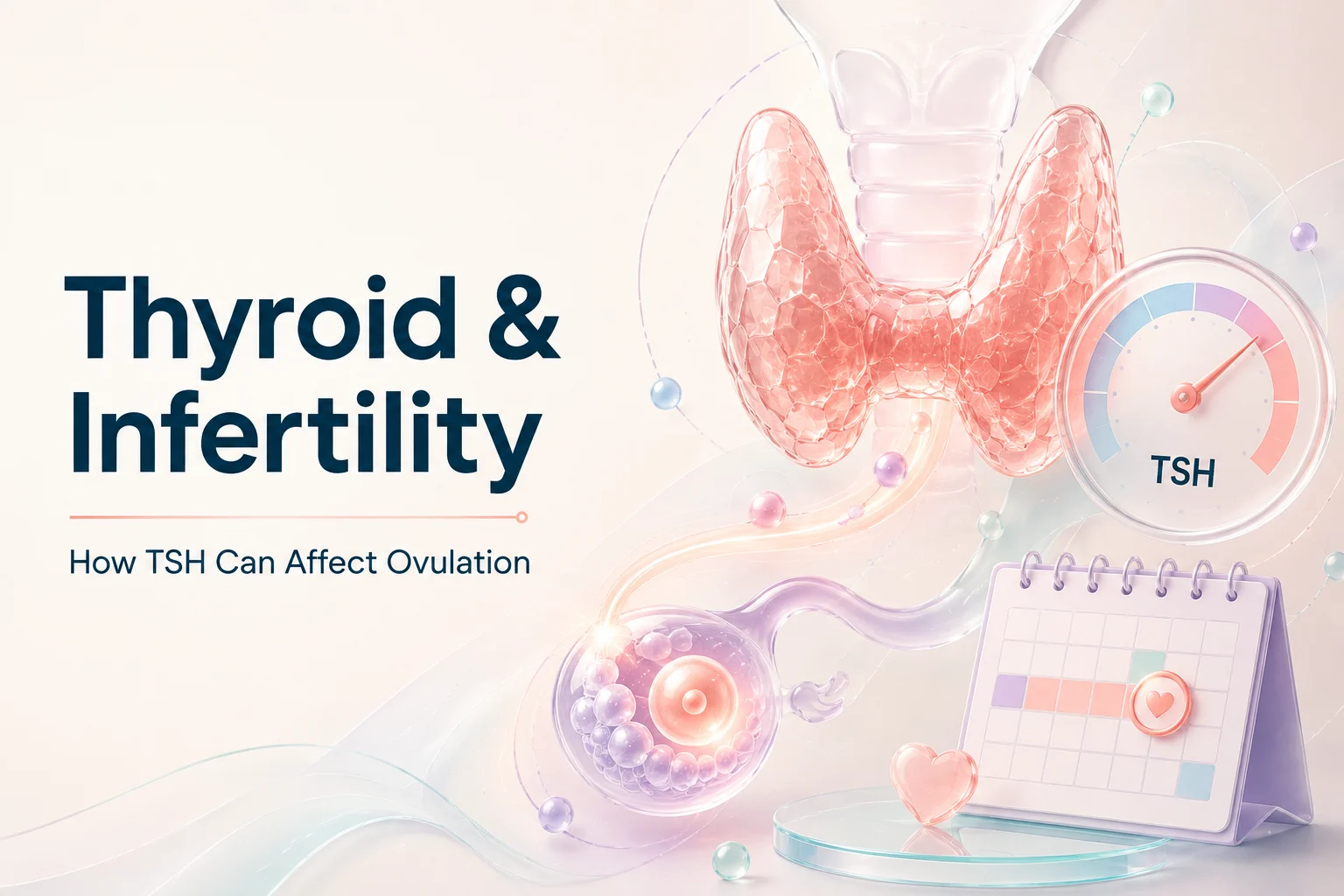
Thyroid and Infertility: How TSH Can Affect Ovulation and Pregnancy Planning
When couples are planning a pregnancy, doctors often evaluate different hormones that play a role in reproductive health. Among these, thyroid hormones are important because they influence metabolism, menstrual cycles, ovulation, and pregnancy preparation. The connection between thyroid and infertility is mainly related to how thyroid hormone imbalance can affect
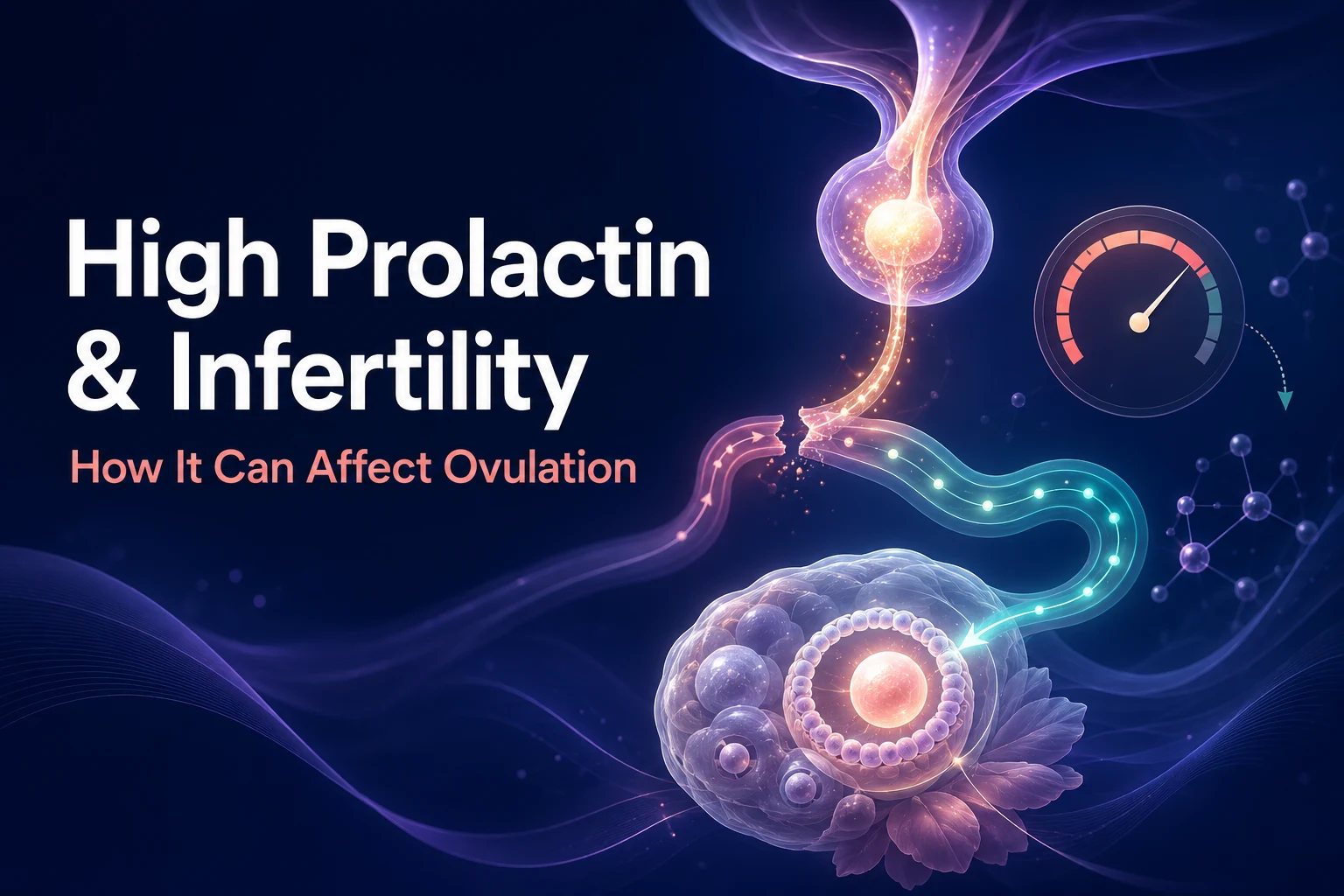
High Prolactin and Infertility: How Prolactin Can Affect Ovulation
When couples are trying to conceive, doctors often evaluate several hormones that influence reproductive health. One of these important hormones is prolactin. While prolactin is best known for its role in breast milk production, abnormal levels can also affect reproductive hormones and ovulation. The connection between high prolactin and infertility