




Endoscopy in Fertility Treatment in Thane
Home » Advanced Laparoscopic Endoscopy for Fertility in Thane
Why The Ova Care Is Trusted as the Best Fertility and Maternity Hospital

Personalized Support

High Success Rate

24/7 Availablity

5000+ Successful Pregnancies

16+ Years of Experienced Experts

Affordable & Ethical Treatment
Endoscopy in Fertility Treatment in Thane
Endoscopy in fertility treatment is used when standard tests do not fully explain why conception is delayed, or when a suspected pelvic or reproductive-tract condition needs direct assessment. At Ova Fertility & Women Care, endoscopic fertility assessment in Thane is recommended selectively, after reviewing symptoms, ultrasound findings, tubal reports, previous treatment history, pelvic pain, menstrual pattern, and reproductive goals. The purpose is not to perform surgery for every fertility patient. The purpose is to identify correctable factors that may be interfering with conception and plan treatment with greater accuracy.
Blood tests alone cannot diagnose many fertility problems. Hormone levels may be normal, ovulation may be regular, and semen reports may be acceptable, yet pregnancy may not occur. In some women, the reason may lie in endometriosis, pelvic adhesions, ovarian cysts, tubal disease, hydrosalpinx, fibroids affecting reproductive anatomy, previous infection, post-surgical scarring, or subtle pelvic pathology. Fertility endoscopy allows the doctor to directly evaluate these factors and, in selected cases, treat them during the same sitting.
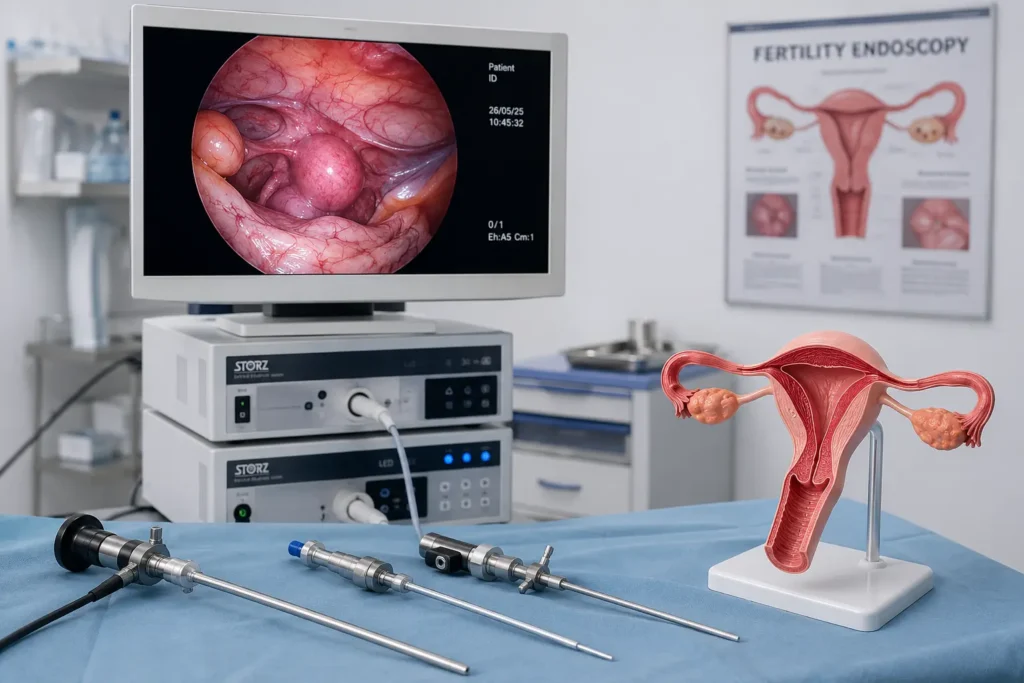
What Is Fertility Endoscopy?
Fertility endoscopy refers to minimally invasive fertility procedures that use a small camera and fine surgical instruments to examine reproductive organs. Depending on the suspected problem, the doctor may assess the pelvis, ovaries, fallopian tubes, outer uterine surface, and related reproductive structures. The procedure can be diagnostic, meaning it helps confirm a condition, or operative, meaning it allows correction of selected abnormalities.
Reproductive endoscopy is valuable because it gives information that routine scans may not always provide. Ultrasound is useful, but it cannot always show fine adhesions, early endometriosis, tubal surface damage, small pelvic deposits, or the exact relationship between pelvic organs. In selected patients, endoscopic evaluation of infertility can change the treatment plan significantly.
Diagnostic Endoscopy for Infertility
Diagnostic endoscopy for infertility is performed to inspect reproductive anatomy and identify factors that may reduce the chance of conception. It may help detect endometriosis, pelvic adhesions, ovarian cysts, hydrosalpinx, tubal blocks, distorted pelvic anatomy, fibroids affecting reproductive structures, signs of previous infection, or suspected genital tuberculosis.
During diagnostic assessment, the doctor may also evaluate whether the fallopian tubes appear open, damaged, swollen, or surrounded by adhesions. Tubal evaluation for fertility is important because healthy tubes are needed for natural conception. If the tubes are blocked or damaged, the treatment plan may change.
Diagnostic fertility procedures should not be ordered casually. At Ova, the recommendation is based on clinical need. If simpler tests can answer the question, endoscopy may not be required. Direct visualization may be recommended if it is likely to clarify the diagnosis or guide treatment.
Operative Endoscopy in Fertility Treatment
Operative reproductive endoscopy allows selected problems to be treated through minimally invasive access. Depending on the finding, the doctor may release adhesions, treat visible endometriosis, remove selected cysts, manage hydrosalpinx, correct pelvic scarring, or treat fertility-related structural abnormalities. These procedures require careful decision-making because fertility surgery must preserve reproductive potential, not simply remove disease.
For example, ovarian cyst surgery must be planned with ovarian reserve in mind. Aggressive removal can sometimes reduce healthy ovarian tissue. Endometriosis surgery must balance symptom relief, fertility benefit, ovarian reserve, and future treatment planning. Tubal surgery must consider whether the tube is functional after correction or whether another reproductive pathway would be safer and more effective.
At Ova, endoscopic fertility treatment is planned with a fertility-preserving approach.
Conditions Endoscopy Can Help Identify
Endometriosis is one of the most important conditions linked with infertility. It may cause painful periods, chronic pelvic pain, pain during intercourse, adhesions, ovarian cysts, inflammation, and altered pelvic anatomy. Mild disease can sometimes be missed on routine imaging. Endoscopy can help confirm the diagnosis and treat visible lesions in selected patients.
Pelvic adhesions are bands of scar tissue that may form after infection, surgery, endometriosis, or inflammation. They can affect the relationship between ovaries, tubes, and the uterus. Adhesions may prevent the egg and sperm from meeting even when ovulation is occurring.
Hydrosalpinx is a swollen, fluid-filled fallopian tube. It can reduce fertility and may affect assisted conception outcomes. If suspected on scan or tubal testing, direct assessment may be needed.
Ovarian cysts may affect fertility depending on type, size, symptoms, and relation to ovarian reserve. Endometriotic cysts require especially careful planning.
Fibroids may affect fertility if they distort reproductive anatomy or interfere with uterine function. Not all fibroids require surgery. The decision depends on size, location, symptoms, and fertility history.
When Endoscopy Is Advised
Endoscopy may be considered for unexplained infertility after appropriate basic evaluation, suspected endometriosis, chronic pelvic pain, painful periods, painful intercourse, abnormal tubal tests, previous pelvic infection, previous ectopic pregnancy, history of pelvic surgery, suspected adhesions, ovarian cysts, hydrosalpinx, fibroids affecting fertility planning, recurrent implantation failure, repeated unsuccessful fertility treatment, or suspicion of genital tuberculosis.
It may also be advised when previous reports are conflicting. For example, if one tubal test suggests abnormality but symptoms and ultrasound do not fully match, direct evaluation may help clarify the situation.
The timing of endoscopy matters. Some patients benefit from early evaluation, while others should complete basic fertility investigations first. A good fertility specialist does not use one fixed rule for everyone.
When Endoscopy May Not Be Required
Endoscopy is not routinely required for every couple trying to conceive. If history, ultrasound, ovulation, semen analysis, tubal screening, and clinical examination are reassuring, and there are no symptoms of pelvic disease, immediate endoscopy may not add value. In early-stage fertility evaluation, non-invasive tests are often completed first.
It may also be deferred if the patient is medically unfit for anesthesia, if the expected benefit is low, if ovarian reserve is very limited and time is critical, or if another treatment route is clearly more appropriate. Responsible fertility care includes knowing when not to operate.
At Ova, patients are told why endoscopy is being advised, what question it will answer, and whether there are alternatives.
Endometriosis and Infertility
Endometriosis can affect fertility through inflammation, adhesions, ovarian cysts, altered pelvic anatomy, tubal dysfunction, reduced egg quality in some cases, and changes in the pelvic environment. Symptoms can include severe period pain, pain during intercourse, bowel or bladder discomfort during periods, chronic pelvic pain, or difficulty conceiving. Some women, however, have minimal symptoms.
Endoscopy may help diagnose and treat endometriosis in selected cases. The fertility benefit depends on disease severity, age, ovarian reserve, previous surgeries, cyst size, symptoms, and treatment goals. Surgery for endometrioma must be planned carefully because removing cysts from the ovary can affect ovarian reserve if not done with precision.
A fertility-preserving approach is essential. The aim is to improve reproductive planning while protecting ovarian function as much as possible.
Tubal Evaluation for Fertility
Fallopian tubes play a central role in natural conception. The egg is released from the ovary, picked up by the tube, and fertilization usually occurs inside the tube. If the tube is blocked, swollen, scarred, or stuck by adhesions, conception may be difficult.
Tubal evaluation may begin with imaging tests, but endoscopy may be considered if reports are abnormal or if pelvic disease is suspected. During the procedure, the doctor may assess the tubes, surrounding adhesions, hydrosalpinx, and pelvic anatomy. Dye testing may be performed to assess tubal patency when appropriate.
The result helps decide whether tubal correction is useful or whether another fertility plan should be considered. Not every blocked tube can or should be surgically corrected. The quality of the tube matters.
Endoscopy After Repeated Treatment Failure
Repeated unsuccessful fertility cycles can be emotionally and financially exhausting. Before repeating another cycle, it is important to review whether an undiagnosed pelvic or reproductive-tract factor could be contributing. Endoscopic fertility assessment may be considered if there is pelvic pain, suspected endometriosis, tubal abnormality, previous infection, adhesions, cysts, or repeated failure despite apparently good reports.
Endoscopy should be part of a broader review, not a reflex decision. The doctor should also reassess ovulation, semen factors, ovarian reserve, embryo development if applicable, uterine lining, thyroid status, metabolic health, and previous treatment notes. The strongest plan is one that identifies the most likely reason for failure.
Minimally Invasive Fertility Surgery: What to Expect
Most fertility endoscopy procedures are performed under anesthesia. Small access points are used, and a camera provides magnified visualization. If an operative correction is planned, fine instruments are used to treat selected findings.A patient may be sent home the same day depending on the procedure, while others may need to be observed for a short period of time after the procedure.
Recovery is usually faster than open surgery, but it is still surgery. Mild abdominal discomfort, shoulder-tip pain from gas, bloating, spotting, or fatigue can occur. The doctor provides instructions about medicines, wound care, diet, activity, intercourse, and follow-up.
Patients should seek urgent advice if they develop fever, severe pain, heavy bleeding, vomiting, fainting, wound discharge, breathing difficulty, or worsening symptoms.
Benefits of Endoscopy in Fertility Treatment
The main benefit is diagnostic clarity. Endoscopy can show conditions that may be missed or suspected only indirectly on routine tests. It can help confirm endometriosis, adhesions, tubal disease, cysts, hydrosalpinx, or pelvic abnormalities.
A second benefit is the possibility of treatment in the same sitting. Selected abnormalities can be corrected without a large incision. This may reduce the need for repeated procedures and support more accurate fertility planning.
A third benefit is treatment direction. After endoscopy, the couple may be advised natural trying for a defined period, monitored fertility care, assisted conception planning, or further medical treatment depending on findings. Clear findings often reduce uncertainty.
Risks and Limitations
Endoscopy is generally safe when performed by trained specialists, but it has risks. Possible complications include bleeding, infection, pain, injury to nearby organs, anesthesia-related complications, clots, fluid-related complications in selected procedures, and the possibility that the intended correction cannot be completed. Rarely, conversion to open surgery may be required.
There are also fertility-specific limitations. Treating endometriosis or adhesions does not guarantee pregnancy. Tubal correction may not restore normal function. Ovarian surgery can affect ovarian reserve if not carefully planned. Some patients may still need further treatment after endoscopy.
At Ova, risks, benefits, and alternatives are discussed before the procedure.
Fertility-Preserving Surgical Philosophy
Fertility surgery is different from routine surgery because every decision can affect reproductive potential. The surgeon must treat disease while preserving ovaries, tubes, and reproductive function wherever possible. This is especially important in women with low ovarian reserve, previous ovarian surgery, endometrioma, advanced reproductive age, or limited time for conception.
A fertility-preserving approach avoids unnecessary aggressive surgery. It focuses on what will improve diagnosis, symptoms, anatomy, or treatment planning. At Ova, endoscopy is recommended when it has a clear purpose.
Before Your Consultation
Bring ultrasound reports, tubal test reports, hormone tests, semen analysis, previous surgery notes, discharge summaries, past fertility treatment records, pain history, menstrual details, and any infection or tuberculosis-related reports. These documents help the doctor decide whether endoscopy is appropriate and what type of assessment may be needed.
The consultation includes discussion of symptoms, duration of trying, previous pregnancies, miscarriages, ectopic pregnancy, pelvic infection, surgeries, treatment failures, and medical conditions. After reviewing the information, the doctor explains whether endoscopy is needed now, can wait, or is unlikely to help.
After Endoscopy: Fertility Planning
The next step depends on findings. If mild adhesions or endometriosis are treated and other fertility factors are favourable, the doctor may advise trying naturally or with monitored support for a defined period. If tubal disease is severe, further treatment planning may be discussed. If ovarian reserve is low or age is advanced, the plan may need to move faster.
A written summary of findings and procedures helps guide future care. Patients should understand what was found, what was treated, what remains untreated, and here is what the next three to six months will look like.
Why Choose Ova Care?
Ova Fertility & Women Care provides endoscopy in fertility treatment in Thane with specialist assessment, minimally invasive fertility procedures, and reproductive planning under one coordinated team. The focus is not only on performing a procedure, but on using the result to improve fertility decision-making.
Ova serves patients from Kasarvadavali, Ghodbunder Road, Manpada, Waghbil, Hiranandani Estate, Kolshet, Majiwada, Vasant Vihar, Pokhran Road, Kalwa, Mulund, Airoli, Dombivli, and nearby areas. Local access is useful for pre-operative evaluation, procedure planning, follow-up, and fertility care after recovery.
Fertility Treatments
Let's Meet Up
contact
Frequently Asked Questions
It is a minimally invasive method used to directly assess reproductive organs and treat selected pelvic or fertility-related abnormalities when clinically indicated.
No. It is recommended selectively when symptoms, reports, or previous treatment history suggest a condition that may affect conception.
Yes. Endoscopy can help identify endometriosis, especially when symptoms or treatment history suggest it and routine tests are inconclusive.
Yes. Tubal evaluation can be performed in selected cases, especially when previous tubal tests are abnormal or pelvic disease is suspected.
The procedure is usually done under anesthesia. Some discomfort, bloating, or mild pain may occur during recovery, but most patients improve within a few days.
This depends on the procedure performed and recovery. The doctor will advise when to resume intercourse, monitoring, or further fertility treatment.
It may improve fertility planning or correct selected problems, but pregnancy is not guaranteed. Outcome depends on age, ovarian reserve, sperm factors, tubal function, and overall diagnosis.
Bring ultrasound reports, tubal test reports, hormone tests, semen reports, prior surgery notes, previous treatment records, and details of pain or menstrual symptoms.
Related Searches:
Intrauterine Insemination (IUI) Treatment in Thane, Pre-Implantation Genetic Testing in Thane, Blastocyst Culture And Transfer Clinic in Thane, Laser Assisted Hatching Treatment in Thane, Egg/Sperm/Embryo Cryopreservation Freezing, Endoscopy In Fertility Treatments, Pregnancy Care, Birthing, Ultrasound In Pregnancy, High Risk Pregnancy Treatment Care With ICU Facility, Laparoscopic Surgery, Hysteroscopic Surgery, Menopause, Puberty Adolescence Treatment, Oncofertility,Male Infertility Treatment in Thane, best ivf hospital, ivf specialist, ivf doctor in thane, fertility treatment in thane, dr. snehal kohale ivf specialist
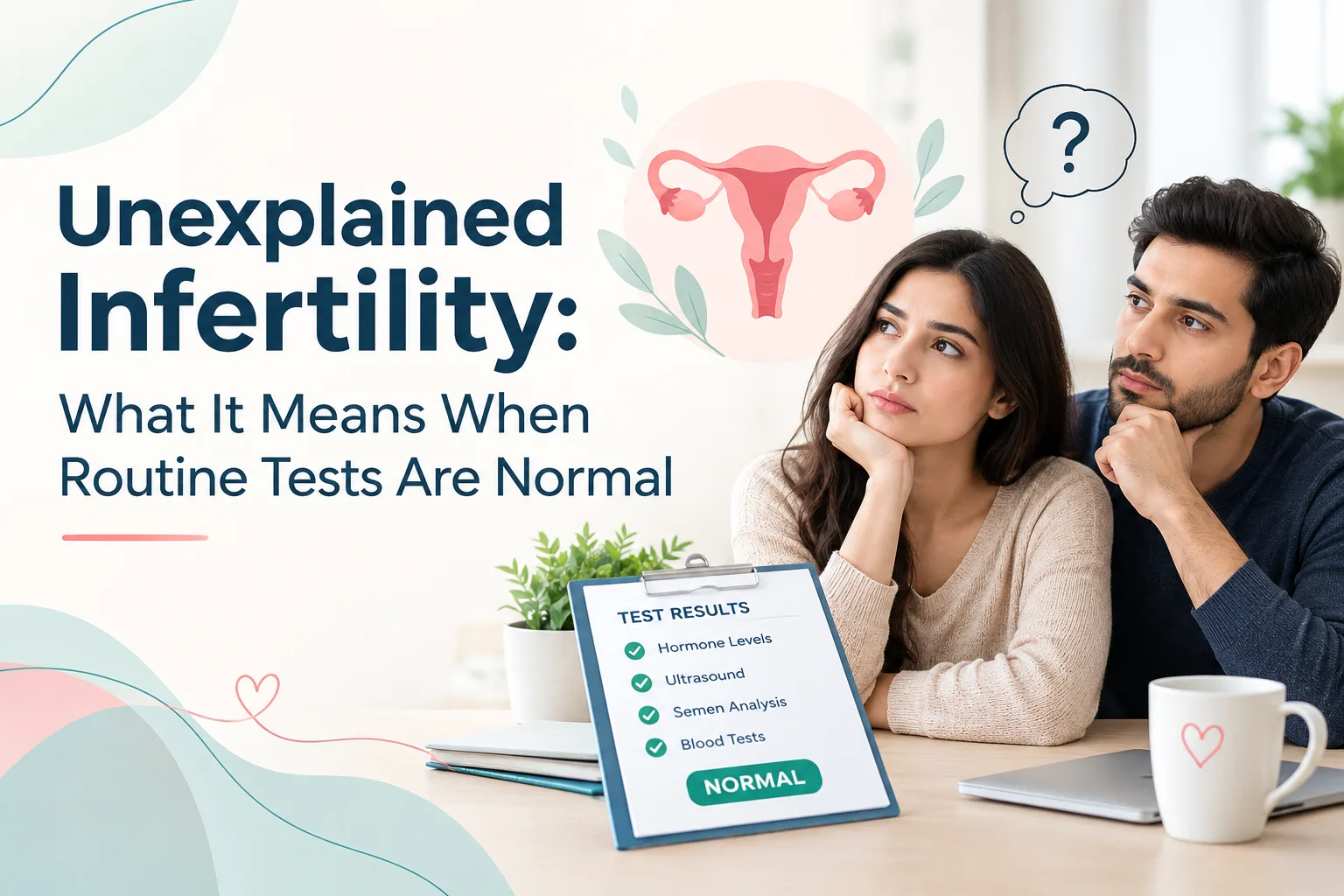
Unexplained Infertility: What It Means When Routine Tests Are Normal
For many couples, receiving normal fertility test reports but still not achieving pregnancy can feel confusing and frustrating. When standard evaluations do not identify a clear reason for difficulty conceiving, doctors may describe the situation as unexplained infertility. This does not mean that there is no reason behind the fertility
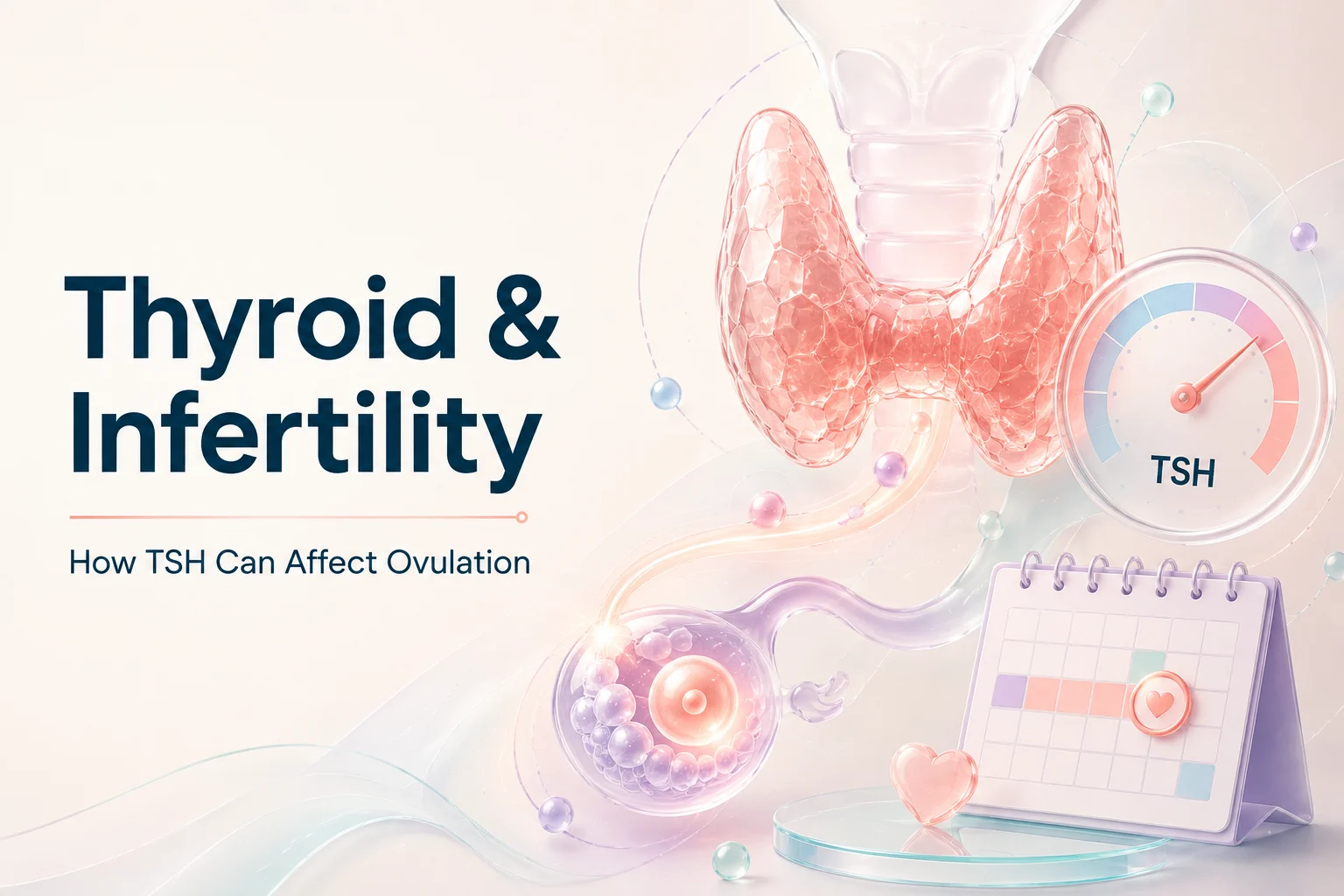
Thyroid and Infertility: How TSH Can Affect Ovulation and Pregnancy Planning
When couples are planning a pregnancy, doctors often evaluate different hormones that play a role in reproductive health. Among these, thyroid hormones are important because they influence metabolism, menstrual cycles, ovulation, and pregnancy preparation. The connection between thyroid and infertility is mainly related to how thyroid hormone imbalance can affect
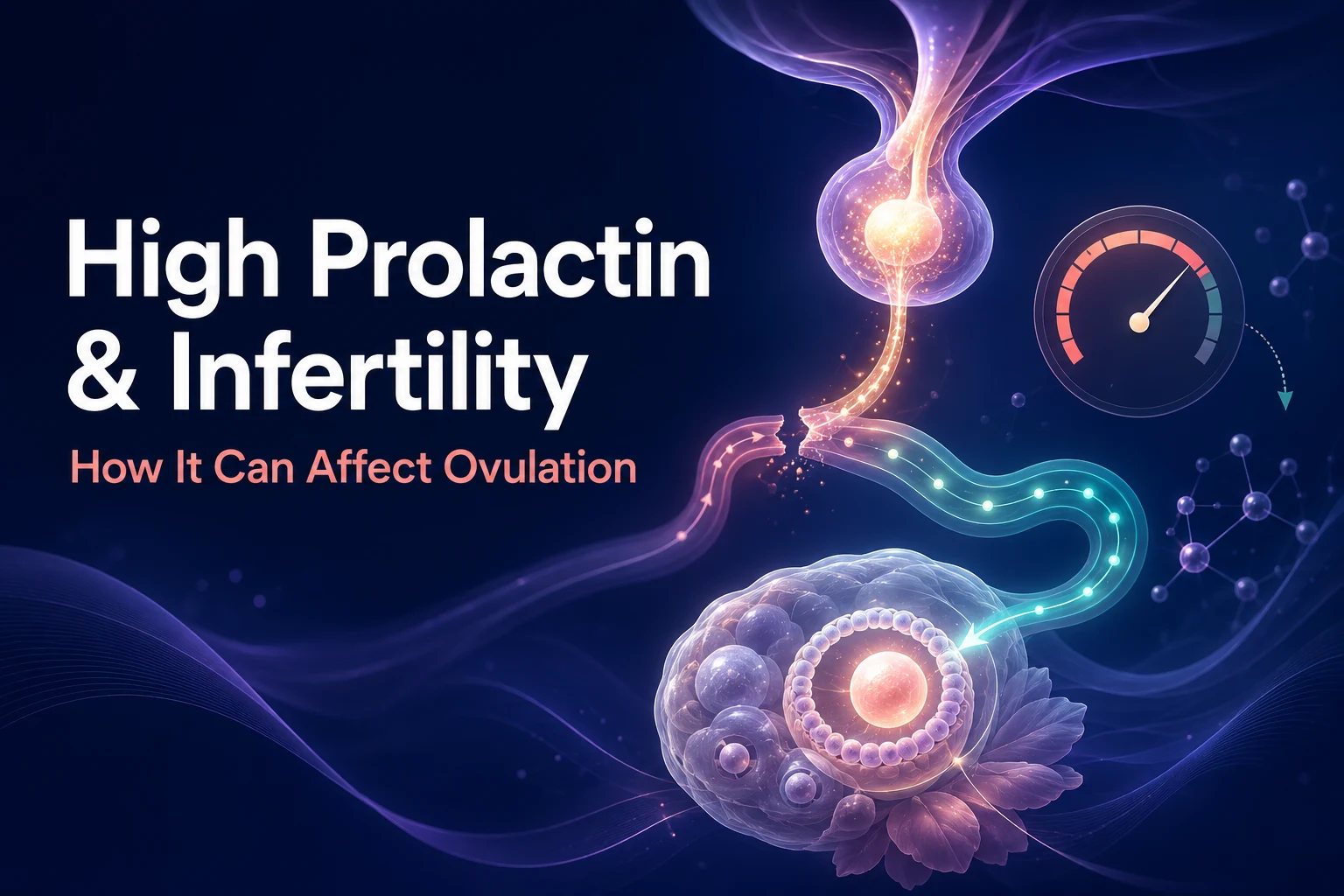
High Prolactin and Infertility: How Prolactin Can Affect Ovulation
When couples are trying to conceive, doctors often evaluate several hormones that influence reproductive health. One of these important hormones is prolactin. While prolactin is best known for its role in breast milk production, abnormal levels can also affect reproductive hormones and ovulation. The connection between high prolactin and infertility