




Egg/Sperm/Embryo Cryopreservation Freezing
Home » Sperm Freezing Treatment in Thane | Ova Care
Why The Ova Care Is Trusted as the Best Fertility and Maternity Hospital

Personalized Support

High Success Rate

24/7 Availablity

5000+ Successful Pregnancies

16+ Years of Experienced Experts

Affordable & Ethical Treatment
Egg/Sperm/Embryo Cryopreservation Freezing
Fertility preservation is a planned medical decision to protect reproductive cells or embryos for future use. At Ova Fertility & Women Care, egg sperm embryo cryopreservation freezing is offered for women, men, and couples who want to preserve fertility because of medical treatment, age-related concerns, delayed parenthood, treatment planning, or personal circumstances. The process involves freezing eggs, sperm, or embryos at extremely low temperatures so they can be stored and used later when pregnancy is planned.
Cryopreservation is not simply storage. It requires careful patient selection, infection screening, consent, laboratory precision, secure identification, cryoprotectant use, rapid cooling, liquid nitrogen storage, and future thawing or warming protocols. The quality of counselling is as important as the freezing process because patients need to understand what can be preserved, how it may be used later, what the limitations are, and why freezing does not guarantee pregnancy.
At Ova Care, fertility preservation treatment is explained in clear medical language. The team reviews age, ovarian reserve, semen quality, diagnosis, treatment urgency, partner status, previous reproductive history, and future family plans before advising egg freezing, sperm freezing, embryo freezing, or a combination of options.
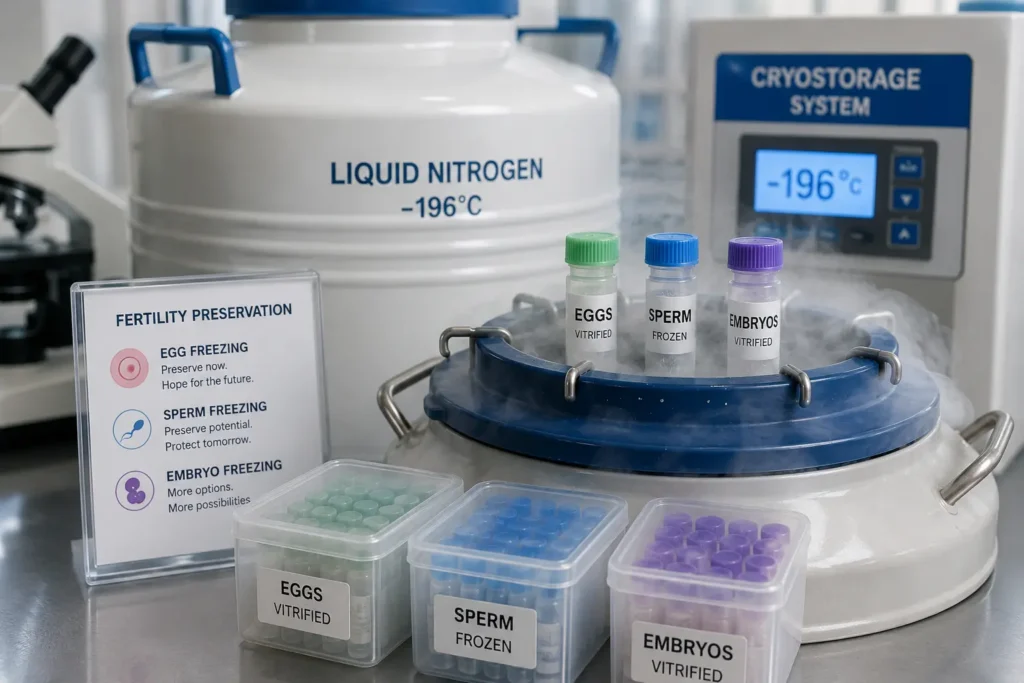
What Is Cryopreservation?
In cryopreservation, reproductive cells or embryos are cooled to very low temperatures, usually with liquid nitrogen, to halt biological activity. In fertility care, it may include oocyte cryopreservation, semen cryopreservation, embryo cryopreservation, gamete cryopreservation, and selected reproductive preservation services. Your current Ova Care page already explains that cells are stored in an inactive frozen state in liquid nitrogen at around -196°C and thawed when needed for treatment.
Modern fertility preservation commonly uses vitrification, a rapid-freezing method that reduces ice crystal formation inside cells. Ice crystals can damage delicate eggs and embryos, so vitrification uses cryoprotectants and fast cooling to protect cellular structure. Sperm may be frozen using established semen cryopreservation methods after sample preparation and quality assessment.
The purpose is to preserve reproductive potential. Eggs can later be warmed and fertilized. Sperm can later be used for reproductive treatment. Embryos can later be warmed and transferred after uterine preparation.
Egg Freezing
Egg freezing, also called oocyte cryopreservation or egg banking, allows a woman to freeze unfertilized eggs for future use. It may be considered by women who want to delay pregnancy, women with reduced ovarian reserve concerns, patients undergoing medical treatment that may affect fertility, women before ovarian surgery, and patients with conditions such as endometriosis or ovarian tumours that may compromise ovarian function.
The egg freezing procedure begins with consultation and fertility assessment. Blood tests and ultrasound may be used to evaluate ovarian reserve and plan stimulation. Medicines are given to help multiple follicles grow. The eggs are collected under medical supervision and mature eggs are frozen using vitrification of oocytes.
Age is one of the most important factors in egg freezing. Eggs frozen at a younger age generally have better reproductive potential than eggs frozen later. This does not mean older patients cannot consider egg freezing, but expectations must be realistic. There are many factors that influence the outcome, including the number of eggs retrieved, egg maturity, age at freezing, and the development of future sperm and embryos.
Egg freezing is useful because it preserves eggs before further age-related decline. However, it does not guarantee a future pregnancy. Not every egg survives warming, not every warmed egg fertilizes, not every embryo develops, and not every transfer results in pregnancy. Good counselling makes the decision more informed and less emotionally pressured.
Sperm Freezing
Sperm freezing, also known as semen cryopreservation or sperm banking, is a relatively simple and valuable fertility preservation option for men. It may be recommended before chemotherapy, radiation, testicular surgery, prostate surgery, vasectomy, high-risk occupational exposure, prolonged travel, planned assisted reproduction, deteriorating semen quality, or difficulty producing a sample on the treatment day.
The sperm freezing procedure usually begins with semen collection in a private setting after the advised abstinence interval. The sample is evaluated for volume, sperm count, motility, morphology, viscosity, liquefaction, and signs of infection or inflammation. Depending on quality, the sample may be divided into multiple vials and frozen with cryoprotective medium.
It is possible to have reassurance when the timing is uncertain by using sperm banking. For example, if the male partner may be away during treatment, has performance anxiety during sample collection, is undergoing cancer treatment, or has declining sperm parameters, stored sperm can be used later if required. Men with very low sperm count may be advised to freeze multiple samples if sperm are present.
Sperm freezing is also important in oncofertility. Cancer treatment can reduce or permanently damage sperm production. When possible, semen cryopreservation should be discussed before chemotherapy or radiation begins.
Embryo Freezing
Embryo freezing, or embryo cryopreservation, is used when eggs have been fertilized and suitable embryos are available for storage. Embryo banking may be chosen when there are surplus embryos after a treatment cycle, when transfer needs to be postponed, when there is a medical reason to avoid fresh transfer, or when a couple wants to preserve embryos for future pregnancy attempts.
Embryos may be frozen at different stages depending on laboratory protocol and clinical planning. Some embryos are frozen at cleavage stage, while many are frozen at blastocyst stage after further development. The decision depends on embryo number, quality, patient condition, and treatment plan.
Long term embryo storage can help reduce repeated stimulation cycles if additional embryos are available. It may also support safer treatment planning when there is risk of ovarian hyperstimulation syndrome, elevated hormones, uterine lining concerns, or a need for delayed transfer. In such cases, freezing embryos and transferring later may be medically safer.
Embryo freezing involves important consent. Because embryos are created using eggs and sperm, future use may require clear agreement between partners. Patients should understand storage duration, renewal, transfer decisions, non-use options, and what happens if circumstances change.
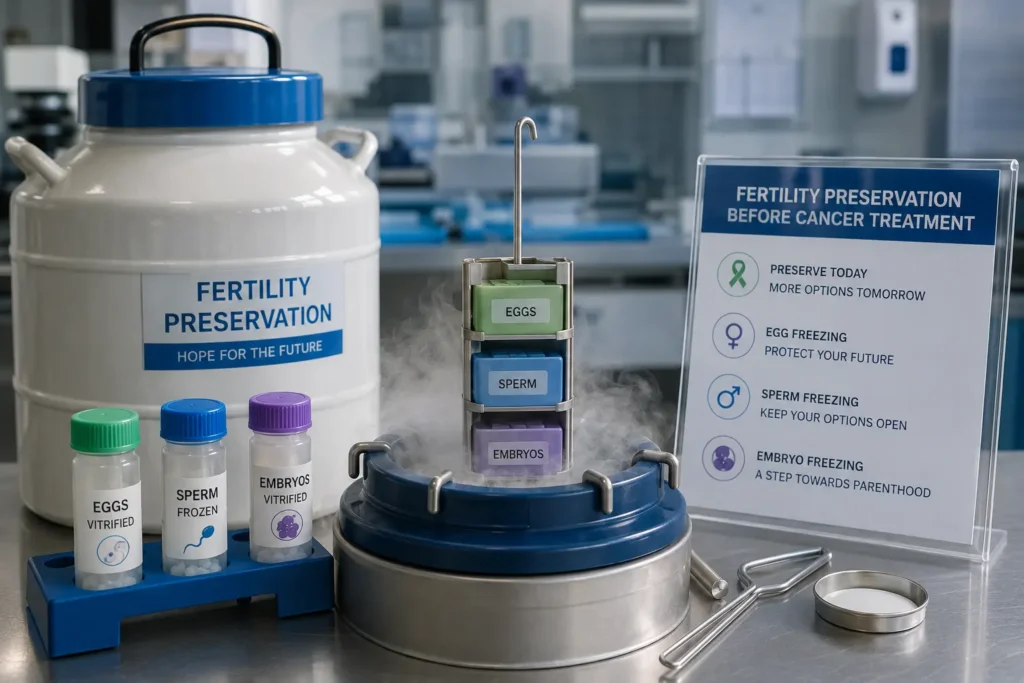
Fertility Preservation Before Cancer Treatment
Fertility preservation for cancer patients is time-sensitive and should be discussed as early as possible after diagnosis. Chemotherapy, radiation, and some surgeries can affect eggs, sperm, ovaries, testes, uterus, hormones, or reproductive organs. Oncofertility preservation helps patients protect future reproductive options before treatment begins.
Women may consider egg freezing or embryo freezing depending on age, partner status, time available before cancer treatment, hormone sensitivity of the cancer, and ovarian reserve. Men may consider sperm freezing before chemotherapy, radiation, or surgery. In urgent cases, the fertility team coordinates planning quickly so preservation does not unnecessarily delay cancer care.
Medical fertility preservation is not only for cancer. It may also be considered before ovarian surgery, treatment for autoimmune disease, gender-affirming medical care, repeated ovarian cyst surgery, or other treatments that may reduce future fertility. Patients should receive realistic counselling based on their diagnosis and treatment timeline.
Elective Egg Freezing and Future Planning
Elective egg freezing is chosen by women who are not ready for pregnancy but want to preserve eggs for future use. Reasons may include career planning, not having a partner, personal circumstances, family history of early menopause, or wanting more reproductive options later.
This decision should be made with medical clarity. Egg freezing is most effective when done before significant age-related decline in egg quality. A consultation usually includes ovarian reserve testing, discussion of expected egg yield, number of cycles that may be needed, storage planning, and future use.
Elective egg freezing is not a guarantee of future pregnancy. It is a way to preserve current reproductive potential. Patients should understand both the value and the limitations before starting.
Vitrification in IVF and Fertility Preservation
Vitrification in IVF and fertility preservation is a rapid freezing method designed to avoid ice crystal formation. Eggs and embryos contain water, and ice crystals can damage cellular structures. During vitrification, cryoprotectants are used and cells are cooled very rapidly before storage in liquid nitrogen.
Vitrification has become widely used because it provides better survival outcomes than older slow-freezing methods for many reproductive cells, especially eggs and embryos. However, survival after warming still depends on cell quality, laboratory technique, age at freezing, and biological factors. A well-equipped laboratory and trained embryology team are essential for safe cryostorage of reproductive cells.
Before Freezing: Evaluation and Consent
Before egg, sperm, or embryo freezing, patients usually need medical evaluation and infection screening. Depending on the procedure, tests may include ultrasound, AMH, hormone profile, semen analysis, viral markers, blood tests, and review of medical history. The goal is to protect patient safety, laboratory safety, and future treatment planning.
Consent is a major part of reproductive preservation services. Patients should understand what is being frozen, how it will be labelled, how long it may be stored, what renewal process is required, who can authorize future use, what happens if storage payments stop, and what options exist if the sample is no longer needed.
Embryo consent is especially important because decisions may involve both partners. Written consent should be clear before freezing begins.
Storage Safety and Laboratory Standards
Cryopreservation depends on strict storage systems. Eggs, sperm, and embryos must be labelled, documented, and stored under controlled conditions. Liquid nitrogen tanks require monitoring, inventory control, and safety protocols. Sample identity and traceability are critical.
At Ova Care, the purpose of fertility preservation is not only to freeze cells, but to protect them responsibly. Patients should feel comfortable asking how samples are labelled, how records are maintained, how storage is renewed, and how future use is coordinated.
Cryostorage requires discipline. Even small errors in identification, documentation, temperature control, or handling can have serious consequences. This is why laboratory systems and trained personnel matter.
Using Frozen Eggs, Sperm, or Embryos Later
Frozen eggs must be warmed, assessed, and fertilized later with sperm. If fertilization occurs, embryos are cultured and a transfer plan is made. Frozen sperm is thawed and prepared for use depending on semen quality and the treatment pathway. Frozen embryos are warmed and transferred after the uterus is prepared.
A future frozen embryo transfer may require ultrasound monitoring, hormonal preparation, timing of progesterone support, and transfer scheduling. Success depends on many factors, including age at egg retrieval, egg and sperm quality, embryo The quality of the uterine lining, the medical conditions after warming, and the laboratory survival.
Patients should understand that freezing preserves an option, not an outcome. The value lies in having stored reproductive material available for future planning.
Limitations of Cryopreservation
Cryopreservation is a powerful fertility preservation option, but it has limits. Not every egg survives warming. Not every sperm sample has equal post-thaw quality. Not every embryo survives thawing. Not every warmed egg fertilizes, and not every embryo implants.
Age at the time of egg freezing or embryo creation strongly affects future success. Freezing eggs at 30 is biologically different from freezing eggs at 40. Similarly, embryo quality depends on egg quality, sperm quality, fertilization, embryo development, and laboratory conditions.
Patients should also consider emotional, financial, and legal responsibilities. Storage requires ongoing planning. Some people may never use their frozen material. Others may need more than one attempt. Clear counselling prevents unrealistic expectations.
Who Should Consider Which Option?
Egg freezing is most suitable when a woman wants to preserve fertility without fertilizing eggs immediately. Sperm freezing is suitable for men who want to protect sperm for future reproductive use. Embryo freezing is suitable for couples or individuals using donor sperm when fertilization has already occurred and embryos are available for future transfer.
The choice depends on age, relationship status, medical urgency, cancer treatment plan, ovarian reserve, semen quality, ethical preferences, and future reproductive goals. There is no single right option for everyone.
At Ova Care, the consultation focuses on helping patients choose the option that matches their biology and circumstances.
Questions to Ask Before Freezing
Before starting, ask what type of freezing is recommended, why it is suitable, how many eggs or samples may be needed, what tests are required, how long storage is allowed, what consent is needed, what future use involves, and what happens if samples are not used. Also ask about survival after thawing, possible need for multiple cycles, and realistic chances based on age and medical history.
These questions help patients make decisions with confidence rather than fear.
Why Choose Ova Care?
Ova Fertility & Women Care provides fertility preservation with medical assessment, laboratory coordination, consent counselling, and future-use planning. Patients receive separate guidance for egg banking, sperm banking, and embryo banking instead of a one-size-fits-all explanation.
Ova Care serves patients from Thane, Kasarvadavali, Ghodbunder Road, Manpada, Waghbil, Hiranandani Estate, Kolshet, Majiwada, Vasant Vihar, Pokhran Road, Kalwa, Mulund, Airoli, Dombivli, and nearby areas. Local access is useful for stimulation monitoring, semen collection, consent review, storage renewal, and follow-up.
Fertility Treatments
Let's Meet Up
contact
Frequently Asked Questions
It is the freezing and storage of eggs, sperm, or embryos for future reproductive use. The material is stored at extremely low temperatures, commonly in liquid nitrogen.
Egg freezing stores unfertilized eggs. Embryo freezing stores fertilized eggs that have developed into embryos. Embryo freezing usually requires sperm and consent for future use.
Women delaying pregnancy, patients before cancer treatment, women before ovarian surgery, and those with fertility-risk conditions may consider egg freezing after medical evaluation.
Men before chemotherapy, radiation, testicular or prostate surgery, vasectomy, high-risk exposure, travel, low sperm count, or difficulty producing a sample may consider sperm banking.
Storage duration depends on applicable regulations, consent, renewal, and clinic policy. Your doctor will explain current guidance and documentation requirements before freezing.
Modern vitrification and cryopreservation methods are designed to protect cells, but survival is not 100%. Some eggs, sperm, or embryos may not survive warming or may have reduced function.
No. Cryopreservation preserves reproductive material but cannot guarantee pregnancy. Outcome depends on age, quality of eggs or sperm, embryo development, uterine factors, and overall health.
Vitrification of oocytes is rapid freezing of eggs using cryoprotectants to reduce ice crystal formation and protect the egg during storage.
Yes. Fertility preservation for cancer patients should be discussed before chemotherapy, radiation, or surgery whenever possible. Options may include egg, sperm, or embryo freezing.
Bring previous fertility reports, semen reports, ultrasound reports, AMH or hormone tests, cancer treatment plan if relevant, surgery records, and any previous reproductive treatment details.
Related Searches:
Intrauterine Insemination (IUI) Treatment in Thane, Pre-Implantation Genetic Testing in Thane, Blastocyst Culture And Transfer Clinic in Thane, Laser Assisted Hatching Treatment in Thane, Egg/Sperm/Embryo Cryopreservation Freezing, Endoscopy In Fertility Treatments, Pregnancy Care, Birthing, Ultrasound In Pregnancy, High Risk Pregnancy Treatment Care With ICU Facility, Laparoscopic Surgery, Hysteroscopic Surgery, Menopause, Puberty Adolescence Treatment, Oncofertility,Male Infertility Treatment in Thane, best ivf hospital, ivf specialist, ivf doctor in thane, fertility treatment in thane, dr. snehal kohale ivf specialist
Our Latest Articles
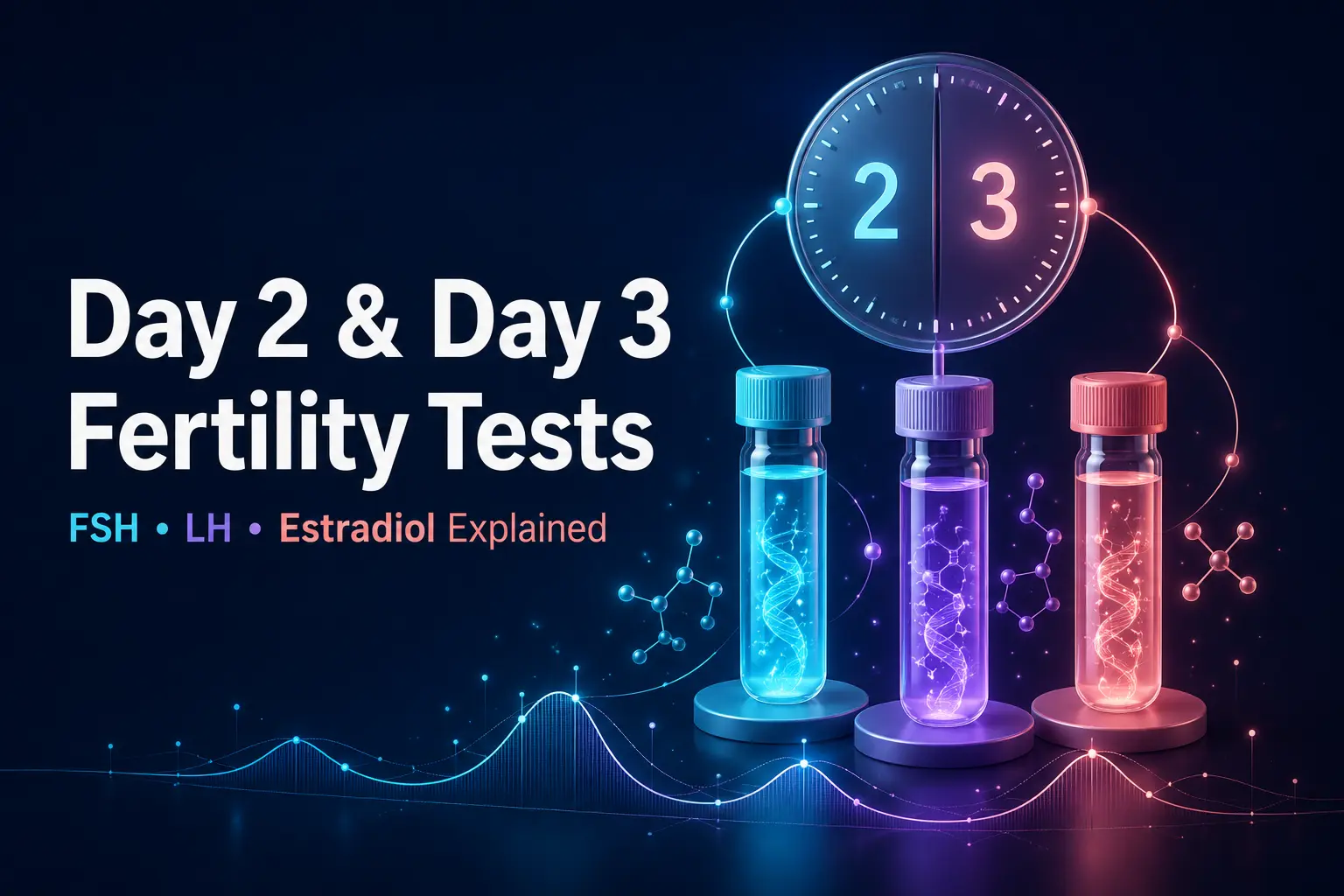
Day 2 and Day 3 Fertility Tests: FSH, LH, Estradiol and What They Show
When evaluating fertility, timing matters. Some hormone tests are recommended during specific days of the menstrual cycle because hormone levels naturally change throughout the month. Day 2 fertility tests and Day 3 hormone tests are commonly advised to understand ovarian function, hormone balance, and reproductive health. These early-cycle tests usually
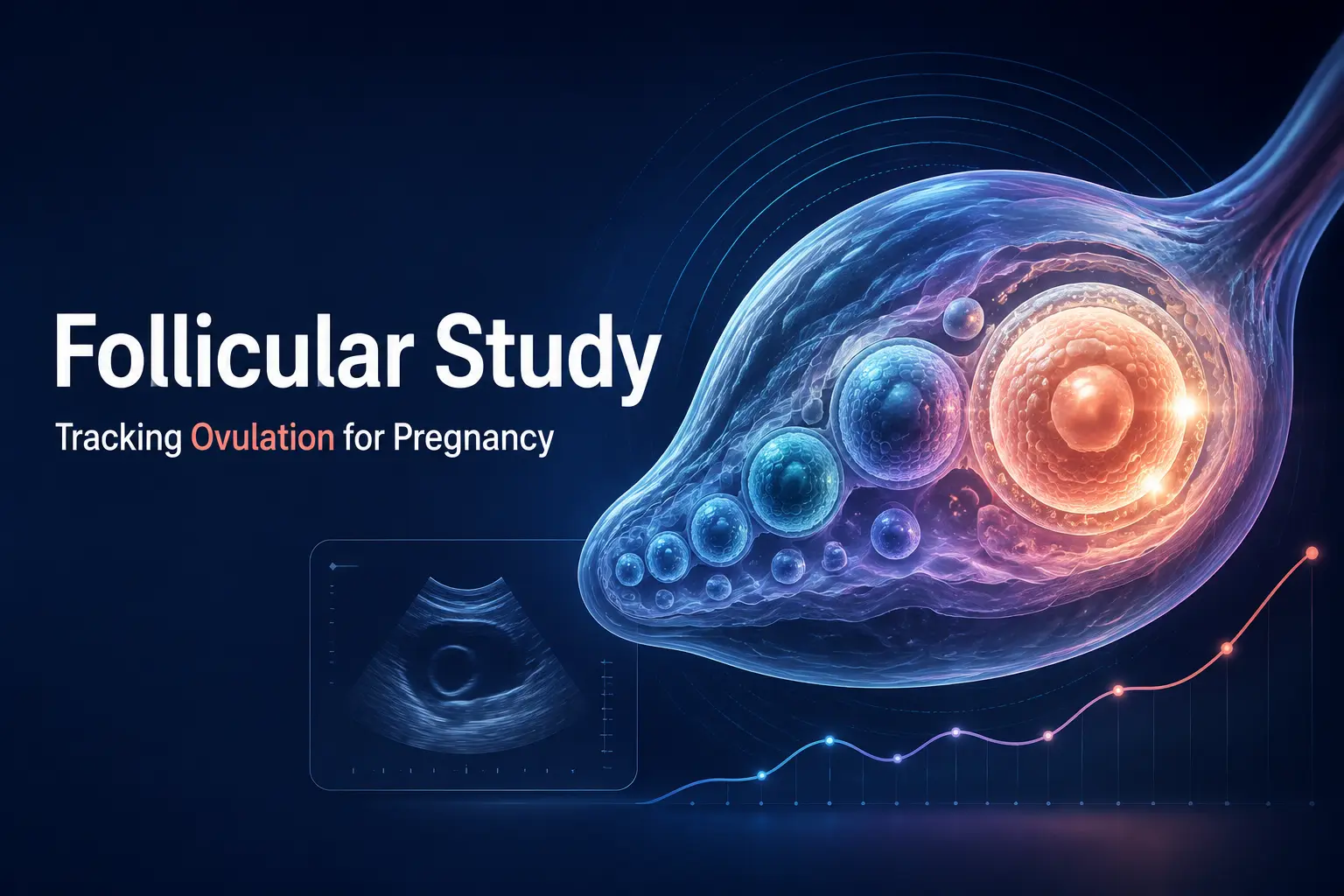
Follicular Study for Pregnancy: How Ovulation Monitoring Works
For couples trying to conceive, understanding when ovulation happens can be an important part of fertility planning. This is where a follicular study for pregnancy can help. A follicular study is an ultrasound-based monitoring process that tracks the growth of ovarian follicles, helps identify the timing of ovulation, and provides
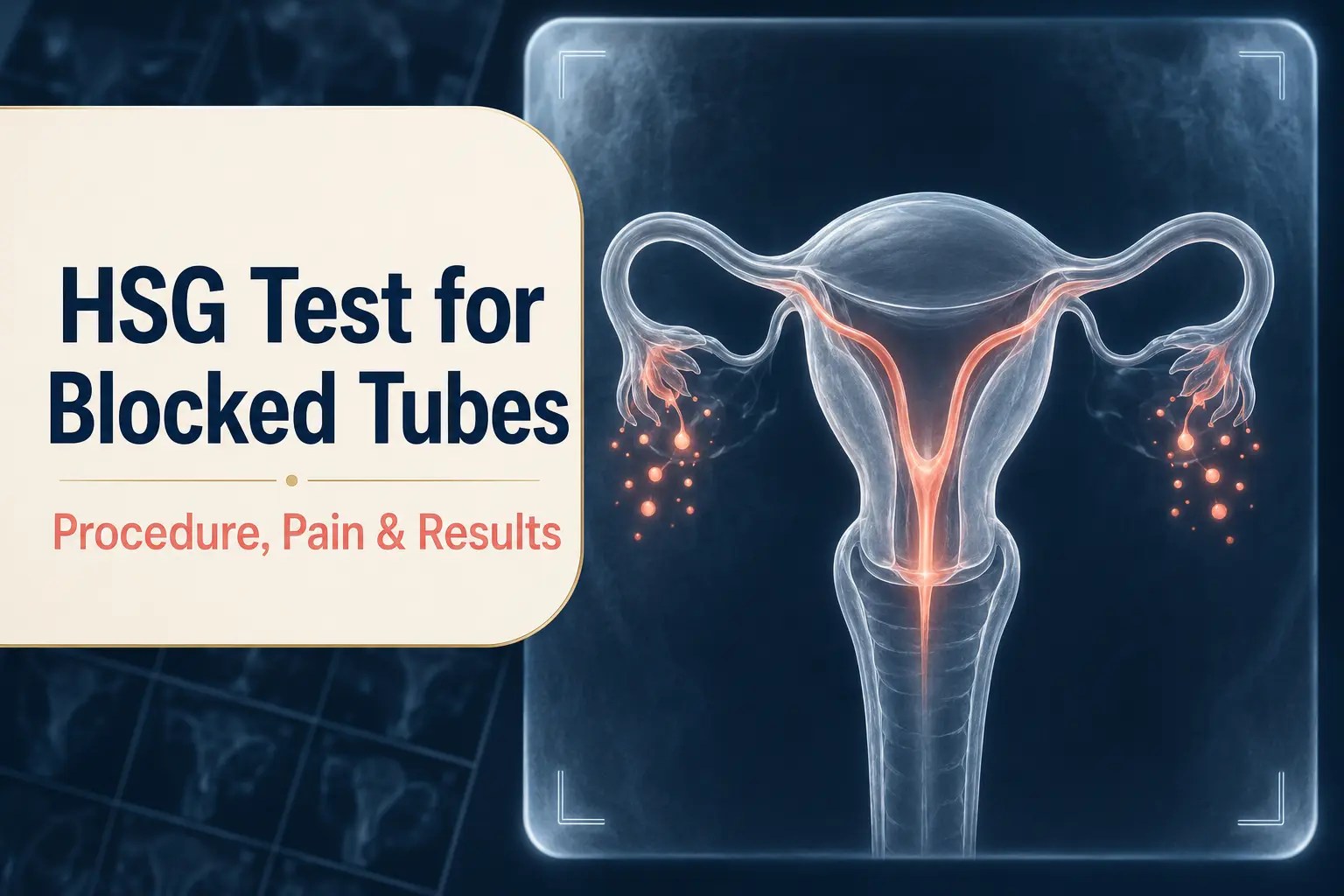
HSG Test for Blocked Fallopian Tubes: Procedure, Pain and Results
When a couple faces difficulty conceiving, fertility specialists may recommend different tests to understand the possible reasons behind infertility. One important test used during female fertility evaluation is the HSG test for blocked fallopian tubes. HSG, or hysterosalpingography, is an X-ray-based fertility test that helps doctors examine the inside of