




High Risk Pregnancy Treatment Care With ICU Facility
Home » High-Risk Pregnancy Treatment with ICU Support | Ova Care
Why The Ova Care Is Trusted as the Best Fertility and Maternity Hospital

Personalized Support

High Success Rate

24/7 Availablity

5000+ Successful Pregnancies

16+ Years of Experienced Experts

Affordable & Ethical Treatment
High Risk Pregnancy Treatment Care With ICU Facility
A high risk pregnancy needs more than routine checkups. It needs early risk identification, close maternal monitoring, fetal surveillance, emergency readiness, experienced obstetric decision-making, and access to critical care when the mother or baby needs urgent support. At Ova Fertility & Women Care, high risk pregnancy treatment care with ICU facility is provided for mothers who need specialized pregnancy monitoring, maternal critical care support, and coordinated obstetric management in Thane.
A pregnancy is called high risk when the chance of complications is higher for the mother, baby, or both. This does not mean that every high risk pregnancy will have a poor outcome. Many mothers with diabetes, hypertension, thyroid disorders, previous pregnancy complications, twin pregnancy, placenta problems, anemia, advanced maternal age, or previous surgery can have safe deliveries when they receive timely and structured care. The key is not fear. The key is vigilance.
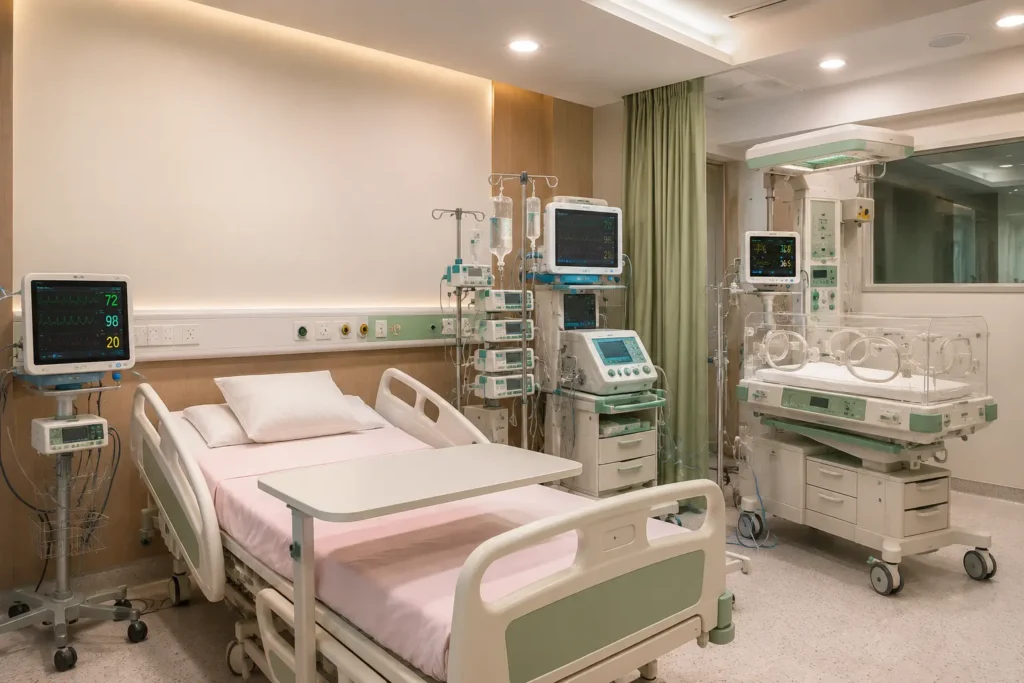
Ova Care is located within a hospital-based environment with access to obstetricians, anesthesia support, intensivist-led care, ICU backup, fetal monitoring, ultrasound support, and newborn care coordination. This matters because high risk pregnancy can change quickly. A mother who appears stable during one visit may need urgent observation, medication adjustment, fetal assessment, emergency delivery planning, or critical care support later.
Why ICU Facility Matters in High Risk Pregnancy Care
Most pregnancies do not need ICU care. However, when complications occur, time and readiness matter. ICU backup provides an additional layer of safety for mothers who develop severe bleeding, uncontrolled blood pressure, seizures, breathing difficulty, severe infection, heart strain, kidney or liver involvement, post-operative instability, or complications after delivery.
Maternal critical care is different from routine hospital admission. It requires continuous observation, oxygen support when needed, blood pressure control, fluid balance monitoring, blood tests, organ-function assessment, specialist coordination, and rapid response to deterioration. In complicated obstetric situations, the mother’s condition can influence fetal wellbeing, and fetal concerns can influence maternal decisions. This is why critical obstetric care requires a team approach.
Your current Ova page correctly highlights multidisciplinary management, experienced anesthesia support, a dedicated intensivist team, ICU oxygenation systems, and kidney and liver specialist availability when required. This is an important trust signal for families seeking high risk obstetric care with an ICU facility in Thane.
What Makes a Pregnancy High Risk?
High risk pregnancy may be identified before conception, early in pregnancy, or later after a complication develops. Some women already have medical conditions before pregnancy. Others develop pregnancy-related concerns as the baby grows. A few have risks because of previous pregnancy history, fetal findings, placenta issues, or lifestyle and age-related factors.
Maternal risk factors may include diabetes, high blood pressure, thyroid disease, kidney disease, heart disease, severe anemia, obesity, autoimmune disorders, epilepsy, asthma, clotting disorders, infections, previous uterine surgery, or age below 18 or above 35. Pregnancy-related risk factors may include gestational diabetes, pregnancy hypertension, preeclampsia, eclampsia, placenta previa, placental abruption, low or high amniotic fluid, fetal growth restriction, multiple pregnancy, preterm labor, or abnormal fetal monitoring.
Previous pregnancy history also matters. Recurrent miscarriage, previous preterm birth, previous stillbirth, previous cesarean delivery, previous postpartum hemorrhage, previous ectopic pregnancy, or previous baby with growth or birth complications may increase the need for closer care.
At Ova, risk is not judged from one factor alone. The doctor reviews the full clinical picture before deciding the monitoring plan.
High Risk Pregnancy Care at Ova
High risk pregnancy care begins with a detailed assessment. The doctor reviews maternal age, medical history, previous pregnancy outcomes, medications, blood pressure, blood sugar, thyroid status, hemoglobin, weight, ultrasound findings, fetal growth, placenta position, amniotic fluid, and fetal movements. Based on this, the pregnancy is categorized and a monitoring plan is prepared.
The plan may include more frequent visits, blood and urine tests, fetal growth ultrasound, Doppler studies, fetal heart monitoring, blood pressure tracking, blood sugar monitoring, medication review, dietary guidance, rest advice, and specialist consultation when required. If the mother’s condition needs closer observation, hospital admission or high dependency obstetric care may be advised.
The goal is to detect problems before they become emergencies. Intensive pregnancy monitoring does not mean the mother should remain anxious. It means that the care team is watching the right signs at the right time.
Gestational Diabetes Management
Gestational diabetes occurs when blood sugar rises during pregnancy. It can increase the chance of excessive fetal growth, difficult delivery, low sugar in the newborn after birth, increased amniotic fluid, preterm birth, and higher maternal risk later in life. Some women can manage it with diet and activity changes, while others need medication or insulin.
At Ova, gestational diabetes management includes blood sugar monitoring, diet counselling, weight guidance, fetal growth assessment, fluid monitoring, and delivery planning. The mother is taught how to track sugar values and when to report abnormal readings. The baby’s growth is monitored because both excessive and restricted growth require attention.
Good sugar control reduces risk. The aim is not to create food fear, but to support balanced nutrition and safe monitoring.
Pregnancy Hypertension Management
High blood pressure in pregnancy needs careful follow-up. It may appear before pregnancy, early in pregnancy, or after 20 weeks. Pregnancy hypertension management includes regular blood pressure checks, urine protein assessment, blood tests, symptom review, fetal growth monitoring, Doppler when indicated, and medicine adjustment.
The doctor watches for warning signs such as severe headache, blurred vision, swelling of face or hands, upper abdominal pain, vomiting, breathlessness, reduced fetal movements, or sudden weight gain. If these symptoms occur, urgent assessment is needed.
Uncontrolled blood pressure can affect the mother’s brain, liver, kidneys, blood clotting, and placenta. This is where ICU readiness becomes important for selected severe cases.
Preeclampsia and Eclampsia Management
Preeclampsia is a pregnancy condition involving high blood pressure and signs that organs such as kidneys, liver, brain, or blood system may be affected. Placental blood flow can also be decreased and fetal growth can be affected. Eclampsia refers to seizures in a woman with preeclampsia and is an obstetric emergency.
Preeclampsia management requires careful blood pressure control, blood and urine tests, fetal surveillance, symptom monitoring, and delivery timing decisions. In severe cases, admission, seizure-prevention medication, ICU or high dependency monitoring, and early delivery may be needed.
Eclampsia management requires immediate stabilization of the mother, seizure control, airway and breathing support if needed, blood pressure control, fetal assessment, and delivery planning once the mother is stabilized. A hospital with ICU backup, anesthesia support, obstetric expertise, and newborn support is essential in such emergencies.
Multiple Pregnancy Management
Twin or higher-order pregnancy carries higher risk than singleton pregnancy. The mother may have higher chances of anemia, vomiting, preterm labor, high blood pressure, gestational diabetes, growth difference between babies, increased fluid problems, and cesarean delivery. The babies may need closer growth monitoring and neonatal support after birth, especially if born early.
Multiple pregnancy management includes more frequent scans, fetal growth comparison, fluid assessment, cervical review when needed, anemia prevention, nutritional guidance, preterm labor counselling, and delivery planning. The timing and mode of delivery depend on baby positions, growth, gestational age, placenta, maternal condition, and fetal wellbeing.
Families are counselled early because twin pregnancy needs practical preparation as well as medical monitoring.
Placenta Previa and Placenta-Related Risks
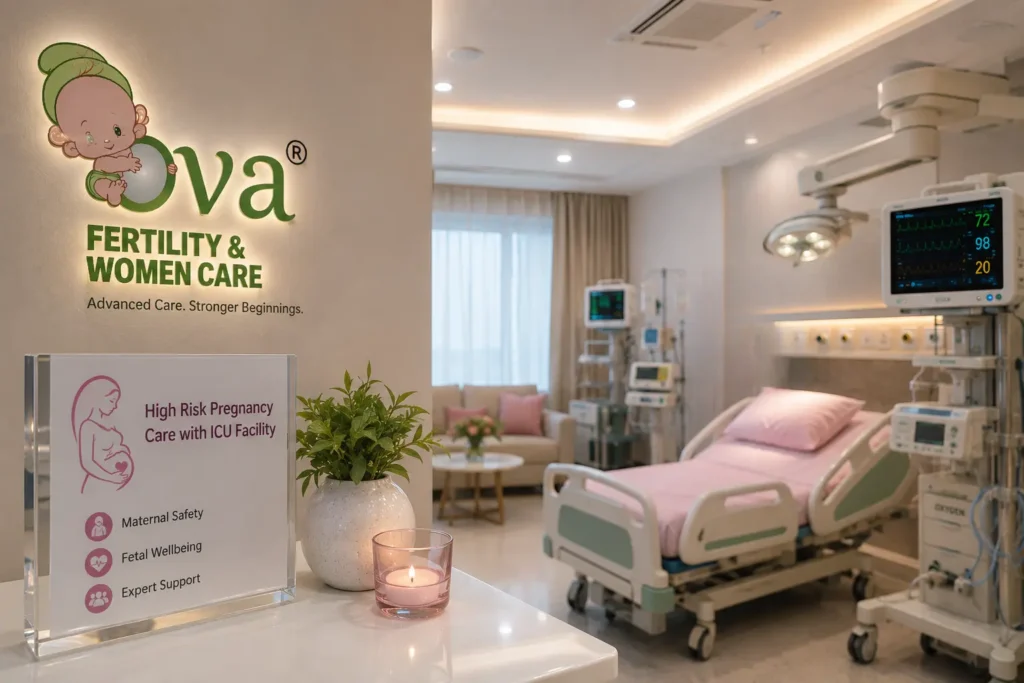
Placenta previa means the placenta lies low in the uterus and may cover or be close to the cervix. It can cause painless bleeding and may make vaginal delivery unsafe depending on placental position near term. Your current page correctly mentions placenta previa as one of the dangerous situations that may require high surgical experience.
Placenta previa management includes ultrasound follow-up, bleeding precautions, activity guidance, blood group and anemia review, hospital admission if bleeding occurs, and planned delivery timing. If bleeding is severe, emergency care may be needed. ICU backup, blood arrangement processes, anesthesia support, senior obstetricians, and surgical readiness are important for safety.
Other placenta-related issues, such as placental abruption or abnormal placental attachment, also require careful evaluation and hospital-based planning.
Preterm Labor Management
Preterm labor means labor signs begin before 37 completed weeks. It may present with regular contractions, pelvic pressure, backache, leaking fluid, bleeding, or cervical changes. Early detection is important because some cases may benefit from medicines, fetal lung maturity support, infection assessment, admission, or neonatal preparation.
Preterm labor management includes assessing contractions, fetal wellbeing, cervical status, infection markers, membrane status, and gestational age. The doctor decides whether pregnancy can be safely prolonged or whether delivery is necessary. If delivery is likely, newborn care coordination becomes essential because premature babies may need respiratory support, feeding support, temperature regulation, or NICU care.
An ICU-backed maternity setup should also coordinate maternal care if infection, bleeding, hypertension, or other complications are present.
Maternal Intensive Care and High Dependency Obstetric Care
Not every mother who needs close care requires ICU admission. Some need high dependency obstetric care, where observation is more frequent than routine ward care but less intensive than full ICU. This may be useful after severe bleeding, after complicated surgery, during blood pressure stabilization, during magnesium sulfate monitoring, after seizure risk, or when multiple medical issues need close supervision.
Maternal intensive care is required when the mother needs advanced monitoring or organ support. This may involve oxygen support, blood pressure medication infusion, fluid balance assessment, blood transfusion coordination, kidney or liver monitoring, ventilatory support in severe cases, or post-operative critical care.
At Ova, the presence of an intensivist-supported system and multispeciality backup provides reassurance for mothers whose pregnancy may become medically complex.
Fetal Surveillance in High Risk Pregnancy
High risk pregnancy care must protect both mother and baby. Fetal surveillance may include growth ultrasound, Doppler study, fetal movement tracking, amniotic fluid assessment, biophysical profile, nonstress testing, CTG monitoring, and repeated scans when indicated. The frequency depends on diagnosis.
A baby with growth restriction may need Doppler and closer follow-up. A mother with diabetes may need growth and fluid monitoring. A mother with hypertension may need fetal wellbeing assessment. Twin pregnancy may need serial scans to compare growth.
Fetal monitoring helps decide whether pregnancy can safely continue or whether delivery should be planned. These decisions are individualized and explained to the family.
Multidisciplinary Care for Complex Pregnancy
High risk pregnancy often needs more than one specialist. The obstetrician coordinates care, but support may be required from anesthetists, intensivists, physicians, endocrinologists, cardiologists, nephrologists, hepatologists, nutritionists, neonatologists, pediatricians, and blood bank services depending on the case.
Your current Ova page rightly states that the obstetrician alone may not be able to manage every complicated situation and that team effort is significant. This is especially true in pregnancies involving severe diabetes, hypertension, heart disease, kidney disease, liver involvement, massive bleeding, sepsis, or emergency surgery.
A coordinated team reduces delay. Everyone understands the mother’s risk, the fetal situation, and the emergency plan.
Delivery Planning in High Risk Pregnancy
Delivery planning is a major part of complex pregnancy management. Some high risk mothers can still have vaginal delivery if conditions are favourable. Others may need planned cesarean delivery or early delivery for safety. The decision depends on gestational age, fetal growth, placenta position, baby’s presentation, previous surgery, blood pressure control, diabetes control, fetal monitoring, and maternal stability.
The doctor discusses timing, mode of delivery, anesthesia plan, blood arrangement if needed, ICU or high dependency observation, neonatal attendance, and expected postnatal care. Planned delivery is often safer than emergency delivery when risks are known in advance.
If an emergency develops, the priority is rapid stabilization and safe delivery decision-making.
Warning Signs: When to Seek Urgent Care
A mother with high risk pregnancy should seek urgent medical help for vaginal bleeding, reduced fetal movements, severe headache, blurred vision, swelling of face or hands, severe upper abdominal pain, persistent vomiting, breathlessness, chest pain, fainting, seizures, fever, leaking fluid, painful contractions before term, severe abdominal pain, or sudden worsening of symptoms.
At home, these symptoms should not be monitored. Early assessment can prevent serious complications. Families should keep emergency contact numbers available and know when to come directly to the hospital.
Emotional Support for High Risk Mothers
A high risk label can make mothers feel frightened, guilty, or constantly alert. Emotional support is part of specialized maternal care. The mother needs clear explanations, realistic reassurance, and a written plan. Families also need guidance because fear can lead to confusion or unnecessary panic.
At Ova, counselling focuses on what is known, what is being monitored, what symptoms need urgent care, and what the next step will be if reports change. Calm communication reduces anxiety and improves cooperation with monitoring.
After Delivery: Postnatal and Newborn Care
Pregnancy at high risk does not end with delivery. Some mothers need continued observation for blood pressure, bleeding, sugar control, wound healing, anemia, infection, breastfeeding, and emotional recovery. Conditions such as preeclampsia and diabetes may need follow-up even after birth.
Newborns may need pediatric review, observation, blood sugar checks, feeding support, jaundice monitoring, or NICU care if premature, low birth weight, or medically unstable. It is important to coordinate the care of mother and baby from the time of delivery until discharge.
Why Choose Ova Care for High Risk Pregnancy?
Ova Fertility & Women Care provides advanced maternal care in Thane with obstetric expertise, ICU backup, anesthesia support, intensivist coordination, fetal monitoring, ultrasound guidance, specialist availability, and emergency obstetric readiness. The current Ova page highlights experienced senior obstetricians, anesthesia support for complicated obstetric surgeries, ICU oxygenation systems, and specialist standby for kidney and liver concerns when needed.
Ova Care is located at 1st Floor, Tieten Medicity Hospital, Kasarvadavali, Ghodbunder Road, Thane West, with a satellite OPD at Swayam Hospitals and ICU, Vasant Vihar, Thane. Patients from Kasarvadavali, Ghodbunder Road, Manpada, Waghbil, Hiranandani Estate, Kolshet, Majiwada, Vasant Vihar, Pokhran Road, Kalwa, Mulund, Airoli, Dombivli, and nearby areas can consult for high risk pregnancy care with ICU facility.
Fertility Treatments
Let's Meet Up
contact
Frequently Asked Questions
Pregnancies at high risk have a higher chance of complications for the mother, the baby, or both. It requires closer monitoring, specialist care, and sometimes hospital-based support.
No. Many high risk pregnancies have good outcomes with timely diagnosis, regular monitoring, medication, fetal surveillance, and delivery planning.
ICU facility is important when the mother develops severe bleeding, uncontrolled blood pressure, seizures, infection, breathing difficulty, organ involvement, or post-operative instability.
Some can, depending on maternal condition, baby’s wellbeing, placenta position, previous delivery history, and labor progress. The doctor decides the safest mode of delivery.
Scan frequency depends on the condition. Some mothers need serial growth scans, Doppler studies, fetal wellbeing checks, or nonstress testing.
Bleeding, leaking fluid, reduced fetal movements, severe headache, vision changes, swelling, abdominal pain, fever, breathlessness, chest pain, seizures, or early contractions need urgent review.
Twin pregnancy is usually monitored more closely because of higher risk of preterm birth, growth differences, anemia, hypertension, diabetes, and delivery complications.
Maternal critical care includes advanced monitoring and treatment for serious pregnancy or post-delivery conditions affecting breathing, blood pressure, bleeding, infection, or organ function.
Not every baby needs NICU. NICU may be required if the baby is premature, low birth weight, has breathing difficulty, low sugar, infection concern, or needs close observation.
Consult early if you have a medical condition, previous pregnancy complication, twins, abnormal scan, high BP, diabetes, bleeding, reduced movements, or any concern raised by your doctor.
Related Searches:
Intrauterine Insemination (IUI) Treatment in Thane, Pre-Implantation Genetic Testing in Thane, Blastocyst Culture And Transfer Clinic in Thane, Laser Assisted Hatching Treatment in Thane, Egg/Sperm/Embryo Cryopreservation Freezing, Endoscopy In Fertility Treatments, Pregnancy Care, Birthing, Ultrasound In Pregnancy, High Risk Pregnancy Treatment Care With ICU Facility, Laparoscopic Surgery, Hysteroscopic Surgery, Menopause, Puberty Adolescence Treatment, Oncofertility,Male Infertility Treatment in Thane, best ivf hospital, ivf specialist, ivf doctor in thane, fertility treatment in thane, dr. snehal kohale ivf specialist
Our Latest Articles

Unexplained Infertility: What It Means When Routine Tests Are Normal
For many couples, receiving normal fertility test reports but still not achieving pregnancy can feel confusing and frustrating. When standard evaluations do not identify a clear reason for difficulty conceiving, doctors may describe the situation as unexplained infertility. This does not mean that there is no reason behind the fertility
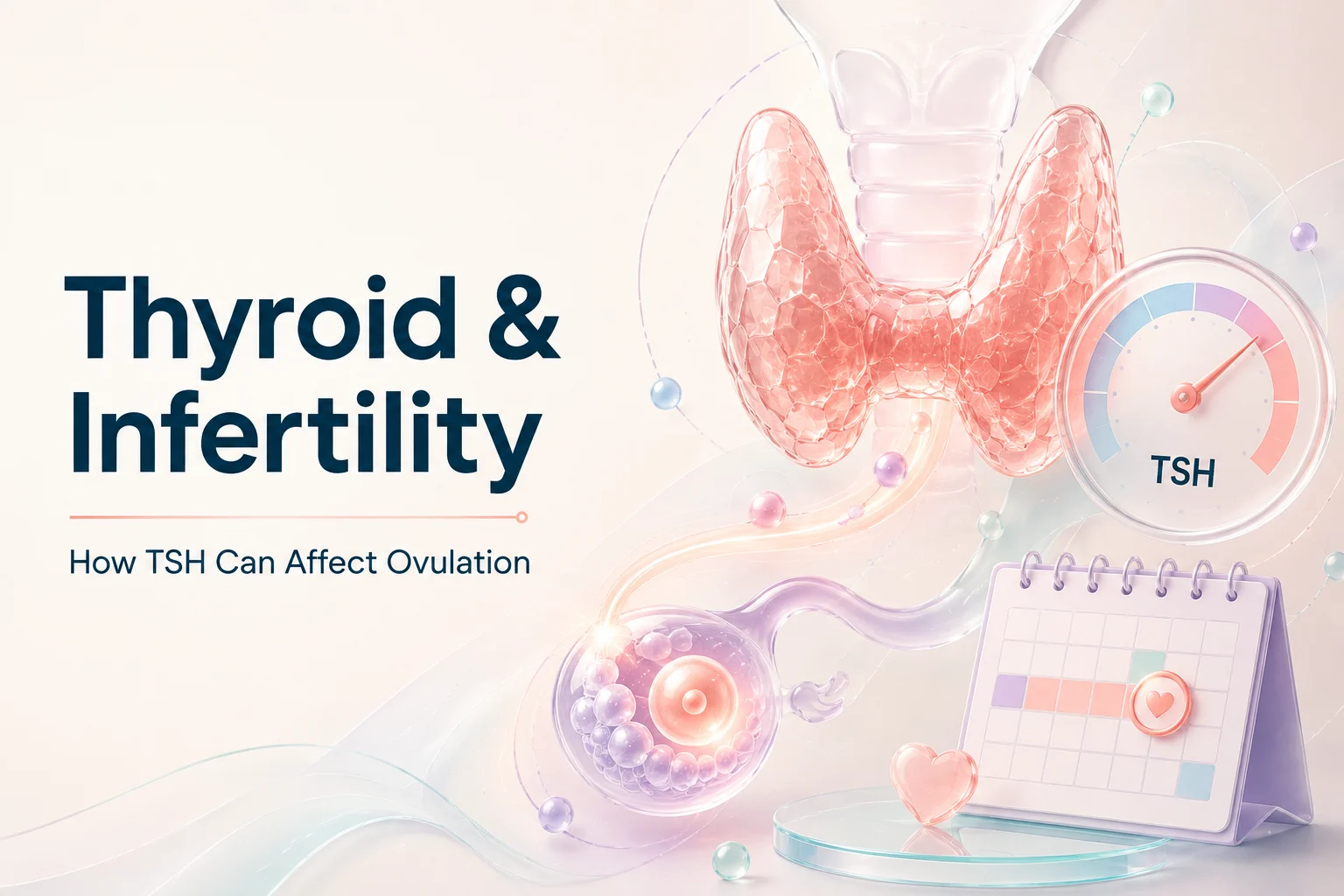
Thyroid and Infertility: How TSH Can Affect Ovulation and Pregnancy Planning
When couples are planning a pregnancy, doctors often evaluate different hormones that play a role in reproductive health. Among these, thyroid hormones are important because they influence metabolism, menstrual cycles, ovulation, and pregnancy preparation. The connection between thyroid and infertility is mainly related to how thyroid hormone imbalance can affect
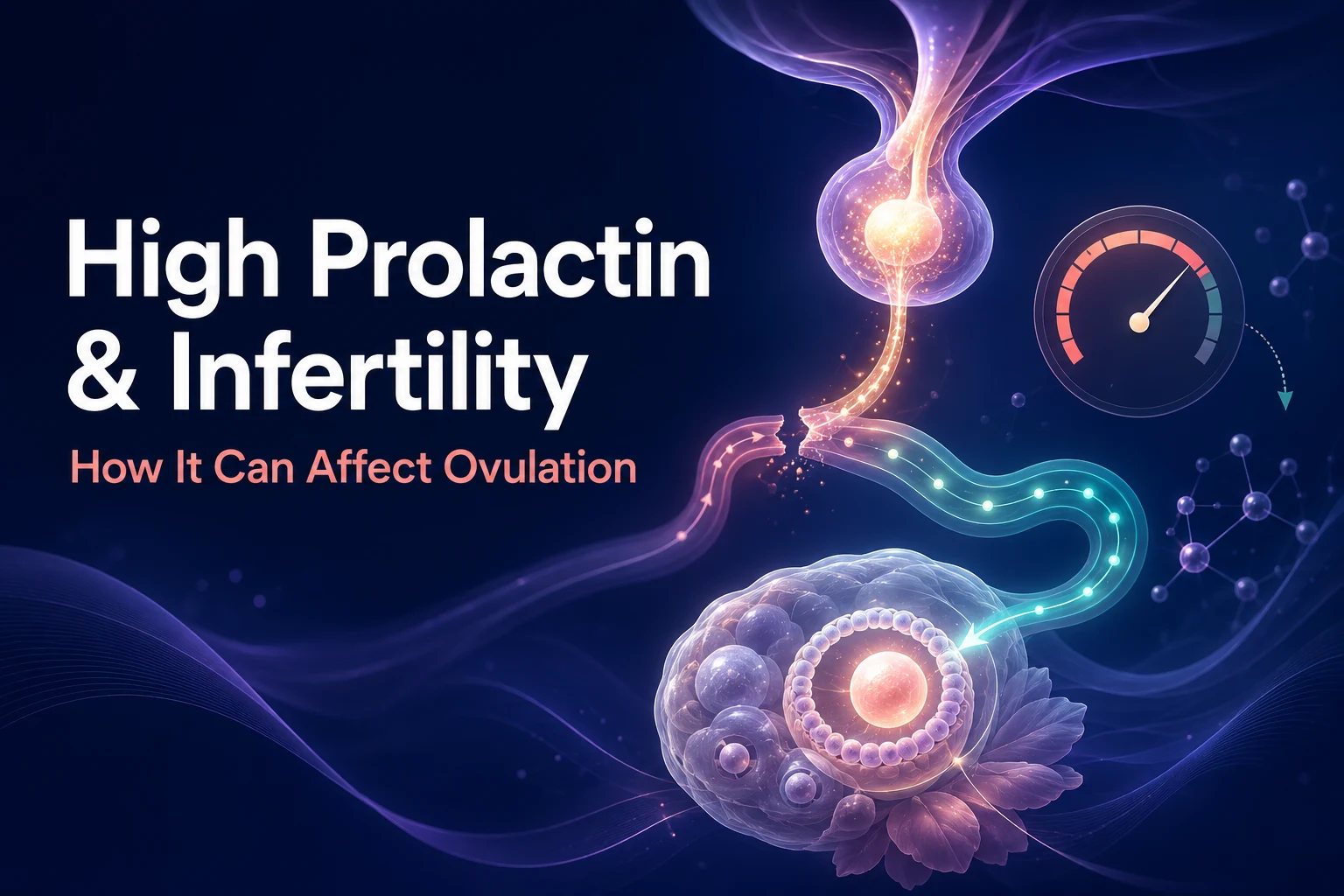
High Prolactin and Infertility: How Prolactin Can Affect Ovulation
When couples are trying to conceive, doctors often evaluate several hormones that influence reproductive health. One of these important hormones is prolactin. While prolactin is best known for its role in breast milk production, abnormal levels can also affect reproductive hormones and ovulation. The connection between high prolactin and infertility