




Pregnancy Care Center in Thane
Home » Pregnancy Care Center in Thane | Expert Pregnancy Care
Pregnancy Care Center in Thane
Pregnancy care should begin before problems appear. A healthy pregnancy depends on early confirmation, timely checkups, correct supplements, screening tests, fetal growth monitoring, nutrition guidance, birth preparation, and regular communication with an experienced obstetric team. At Ova Fertility & Women Care, our pregnancy care center in Thane supports expecting mothers from pregnancy confirmation to delivery preparation and postnatal recovery with structured antenatal care, ultrasound support, fetal monitoring, pregnancy wellness guidance, and hospital-based safety.
Every pregnancy is unique. Some women need only routine pregnancy checkups and reassurance. Others need closer observation because of age, previous pregnancy history, medical conditions, or scan findings. This page focuses on routine pregnancy care, prenatal monitoring, trimester-wise guidance, maternal health, and safe delivery preparation. Patients who require complex pregnancy-complication care may be guided to the appropriate advanced obstetric service after assessment.
Why Early Pregnancy Care Matters
Pregnancy is a natural physiological process, but modern pregnancy care reduces preventable risks. Early medical review helps confirm the pregnancy location, calculate gestational age, start folic acid and other supplements, check blood group, screen for anemia, thyroid imbalance, infections, diabetes risk, and identify factors that need additional observation. Your current page correctly highlights the value of early preventive care and individualized assessment after pregnancy is diagnosed. At Ova, this principle is followed through structured history taking, examination, investigations, counselling, and follow-up planning.
Many problems can be prevented or reduced when addressed early. Nutrition deficiencies, anemia, vitamin D deficiency, thyroid imbalance, uncontrolled blood sugar, poor weight gain, excess weight gain, untreated infections, and delayed scan scheduling can affect maternal comfort and fetal development. Good antenatal care in Thane should therefore be proactive, not reactive.
Pre-Pregnancy and Early Pregnancy Counselling
Pregnancy care often starts before conception. Pre-pregnancy counseling helps women prepare physically and mentally for pregnancy. At Ova, couples may receive guidance on folic acid, vaccination status, nutrition, weight, exercise, medical conditions, medicine safety, genetic history, menstrual history, previous pregnancies, and lifestyle factors. It is especially helpful for women planning pregnancy after a previous miscarriage, a previous cesarean section, irregular cycles, thyroid disease, diabetes risk, obesity, anemia, or taking long-term medications.
Once pregnancy is confirmed, the first visit usually includes history review, estimated due date calculation, basic examination, blood tests, urine test, and scan planning. The doctor explains what symptoms are normal, what medicines are safe, what foods should be emphasized, what should be avoided, and when urgent care is needed.
Routine Pregnancy Checkups
Routine pregnancy checkups are the foundation of maternity care in Thane. At each visit, the doctor monitors maternal health and fetal progress. This may include blood pressure, weight, urine testing, symptoms, fetal heartbeat, abdominal growth, swelling, medicine review, diet review, and scan or blood-test planning.
The visit frequency depends on the stage of pregnancy and the mother’s condition. Early pregnancy visits help confirm viability and plan screening. Mid-pregnancy visits monitor fetal anatomy and maternal health. Later visits focus on fetal growth, fetal movements, presentation, delivery preparation, and warning signs. If any concern appears, the schedule may be adjusted.
Regular follow-up is important because pregnancy changes gradually. A mother may feel well even when anemia, blood pressure changes, growth concerns, or nutritional deficiencies are developing. The early detection of these issues is made possible by prenatal care in Thane.
First Trimester Care
The first trimester covers conception to 12 weeks. This is the stage when pregnancy location, fetal heartbeat, dating, early development, and baseline maternal health are assessed. Common symptoms include nausea, vomiting, fatigue, breast tenderness, food aversion, acidity, mood changes, and increased urination.
The doctor may advise blood group, complete blood count, thyroid profile, blood sugar screening, urine routine, infection screening, vitamin levels when needed, and early ultrasound. A dating scan helps confirm gestational age and expected delivery date. Around 11 to 13 weeks, selected prenatal screening may be discussed depending on age, history, and patient preference.
First trimester counselling includes folic acid, nausea management, hydration, safe medicines, food safety, rest, travel advice, intercourse guidance, and warning signs such as bleeding, severe pain, fainting, high fever, or persistent vomiting.
Second Trimester Care
The second trimester, from 13 to 27 weeks, is often more comfortable for many women. Nausea may reduce, energy improves, and fetal movements may begin later in this period. This stage is important for fetal development monitoring, maternal nutrition, anemia prevention, and scan-based assessment.
An anomaly scan is usually planned in the mid-trimester to assess fetal structure. The doctor may also review hemoglobin, blood sugar screening timing, urine findings, weight gain, blood pressure, and symptoms such as backache, acidity, constipation, leg cramps, discharge, or swelling.
Second trimester pregnancy monitoring in Thane should also include guidance on posture, pelvic floor health, gentle activity, sleep position, hydration, iron and calcium intake, and fetal movement awareness when appropriate. This is also a good time to discuss childbirth education and breastfeeding preparation.
Third Trimester Care
The third trimester begins at 28 weeks and continues until delivery. The focus shifts to fetal growth, fetal movement, maternal comfort, delivery preparation, and postnatal planning. The doctor monitors blood pressure, weight, swelling, abdominal growth, fetal heartbeat, fetal position, symptoms, and scan findings when indicated.
Growth scans may be advised to assess fetal size, amniotic fluid, placenta position, and overall progress. Doppler assessment may be considered if the doctor needs additional information about blood flow. Your current page mentions fetal surveillance with biophysical profile and computerized fetal heart analysis using cardiotocography. These tools can be useful closer to delivery when fetal wellbeing needs closer observation.
Third trimester counselling includes hospital bag preparation, birth plan discussion, labor signs, fetal movement monitoring, breastfeeding basics, newborn care, and post-delivery recovery. Mothers are also guided about when to come to the hospital.
Pregnancy Screening Tests
Pregnancy screening tests help identify risks early and guide safer care. The tests recommended depend on gestational age, medical history, family history, previous pregnancy history, and scan findings. Common assessments may include blood group and Rh typing, complete blood count, thyroid profile, blood sugar screening, urine testing, infection screening, vitamin assessment when needed, and prenatal screening options.
Scans may include dating scan, first trimester screening scan, anomaly scan, growth scan, and fetal wellbeing assessment when required. Screening is not the same as diagnosis. If a screening result suggests increased risk, the doctor explains the next step clearly.
At Ova, pregnancy screening tests are discussed in a patient-friendly way. Mothers are told why a test is advised, when it should be done, what the result means, and whether follow-up is needed.
Fetal Development Monitoring
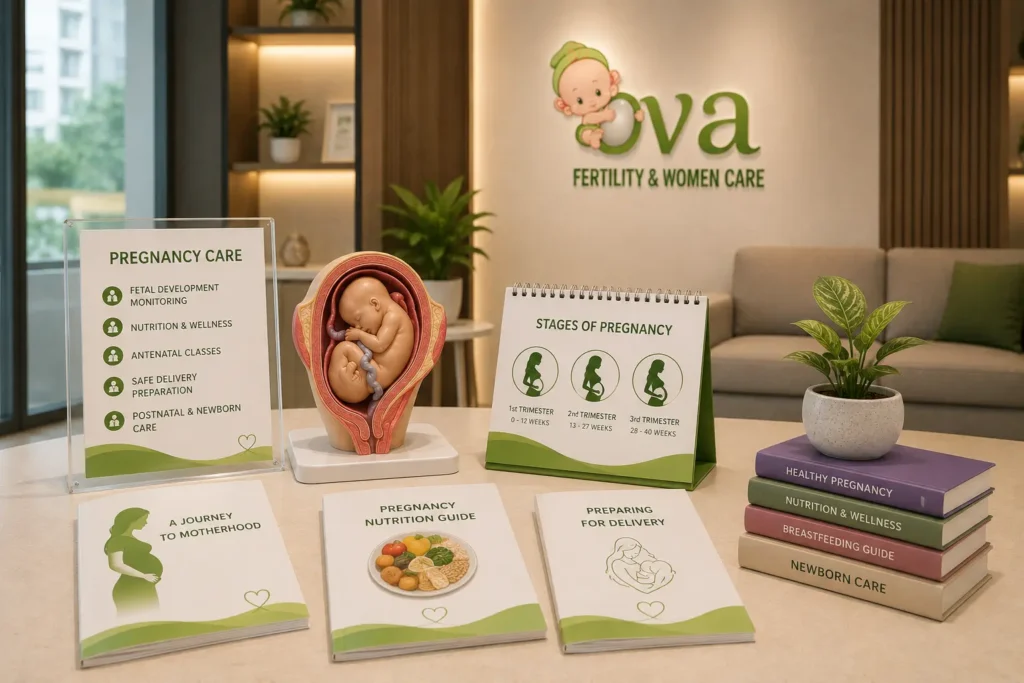
Fetal development monitoring is a central part of comprehensive pregnancy care in Thane. It helps assess whether the baby is growing as expected for gestational age. Monitoring may include clinical examination, fetal heartbeat checks, maternal weight tracking, ultrasound growth parameters, amniotic fluid assessment, placenta review, and fetal movement history.
In later pregnancy, mothers are taught to notice fetal movements. A change in movement pattern should not be ignored. Depending on the situation, the doctor may advise further evaluation such as ultrasound, biophysical profile, Doppler, or fetal heart monitoring.
Monitoring is not meant to create fear. It helps provide reassurance when everything is normal and allows timely action when closer review is needed.
Pregnancy Nutrition
Pregnancy nutrition affects maternal energy, fetal growth, blood health, bone health, immunity, and recovery after delivery. A balanced diet should include adequate protein, iron-rich foods, calcium sources, folate, healthy fats, fruits, vegetables, whole grains, and sufficient fluids. The exact plan depends on weight, appetite, nausea, food preferences, hemoglobin level, digestion, and medical history.
Iron and folic acid help prevent anemia and support fetal development. Calcium and vitamin D support bones and muscle function. Protein supports fetal growth and maternal tissue health. Fiber and fluids help reduce constipation. Small frequent meals may help nausea and acidity.
Ova’s current page already mentions nutrition, hygiene, and breastfeeding classes. In the rewritten structure, these become part of a broader pregnancy wellness program. Mothers receive practical guidance, not restrictive food rules. The aim is safe nutrition, steady weight gain, and confidence in daily choices.
Pregnancy Wellness and Antenatal Classes
Pregnancy wellness includes physical comfort, emotional health, sleep, posture, breathing, movement, and preparation for childbirth. Many women experience backache, pelvic pressure, acidity, leg cramps, swelling, sleep disturbance, anxiety, and fear of labor. These concerns are common, but they should be addressed.
Ova’s current page mentions antenatal classes combining yoga, physiotherapy techniques, relaxation, and correct breathing. This is a strong patient-benefit point. Antenatal classes can help mothers understand body changes, practice breathing, learn gentle exercises, prepare for labor, understand breastfeeding, and reduce fear through correct information.
Pregnancy wellness does not mean doing strenuous activity. Exercises should be safe, pregnancy-appropriate, and approved by the doctor. Women with bleeding, pain, cervical concerns, or other specific findings should ask before starting any routine.
Safe Delivery Preparation
Delivery preparation begins before labor. The doctor reviews fetal growth, baby’s position, placenta location, maternal health, previous delivery history, pelvis assessment when relevant, and patient preferences. Normal delivery may be supported when conditions are suitable. Cesarean delivery is advised when medically required for mother or baby safety.
A good pregnancy care center in Thane should help mothers understand labor signs, when to come to the hospital, what to bring, pain-relief options, possible interventions, fetal monitoring, and recovery expectations. Fear often reduces when the mother knows what may happen in the labor room.
Ova provides pregnancy care with hospital-based safety and ICU backup. This is reassuring because obstetric care should have readiness for unexpected needs, even when pregnancy has been routine. The page should state this responsibly: ICU availability supports emergency preparedness, but most routine mothers may not need ICU care.
Postnatal Recovery and Mother Care
Pregnancy care does not end at delivery. The postnatal period includes physical recovery, bleeding monitoring, stitch care if applicable, breastfeeding support, emotional wellbeing, nutrition, sleep management, contraception counselling, and follow-up visits. Mothers should be guided about normal recovery and warning signs.
Breastfeeding support is important in the early days. Many mothers need help with latch, feeding frequency, nipple pain, milk supply concerns, burping, and newborn sleep expectations. Practical counselling prevents avoidable stress.
Emotional health also matters. Mood changes are common after delivery, but persistent sadness, anxiety, hopelessness, poor bonding, panic, or inability to sleep even when the baby sleeps should be discussed with the doctor.
Newborn Support
A pregnancy care center should coordinate mother and baby care. After delivery, newborn assessment, feeding guidance, temperature care, weight monitoring, jaundice observation, vaccination guidance, and pediatric review are important. Families should know when to seek help for poor feeding, fever, breathing difficulty, reduced urine, excessive sleepiness, persistent vomiting, or worsening jaundice.
At Ova, newborn support is connected with maternity care so parents receive guidance beyond delivery. This continuity helps families feel safer in the first weeks after birth.
When to Call the Doctor Urgently
Expecting mothers should seek urgent medical advice for bleeding, severe abdominal pain, leaking fluid, reduced fetal movements, severe headache, blurred vision, swelling of face or hands, high fever, persistent vomiting, breathlessness, chest pain, fainting, convulsions, painful urination with fever, or regular contractions before term.
This page avoids detailed complication-management language because those topics should sit on separate advanced pages. Still, every routine pregnancy-care page must include warning signs so patients know when not to wait.
Why Choose Ova Care?
Ova Fertility & Women Care provides pregnancy health care in Thane with obstetrician-led monitoring, ultrasound support, antenatal counselling, fetal development monitoring, nutrition guidance, pregnancy wellness classes, delivery preparation, postnatal care, and hospital-based safety. The clinic is located at 1st Floor, Tieten Medicity Hospital, Kasarvadavali, Ghodbunder Road, Thane West, and your current page lists phone and email access for appointments. This local accessibility is important for routine checkups, scans, classes, urgent advice, and delivery planning.
What to Bring for Your First Visit
Bring your pregnancy test report, previous ultrasound if done, blood reports, current medicines, vaccination history, previous pregnancy records, surgery notes, allergy details, medical-condition records, and any fertility-treatment documents if pregnancy followed treatment. The doctor will review your history, calculate gestational age, plan scans and tests, and answer early pregnancy questions.
Maternity Treatments
Let's Meet Up
contact
Frequently Asked Questions
Book your first checkup soon after a positive pregnancy test. Early consultation helps confirm pregnancy timing, plan the first scan, start supplements, and schedule important tests.
Visit frequency depends on pregnancy stage and maternal health. Early visits confirm growth and screening, mid-pregnancy visits monitor development, and later visits become more frequent for fetal growth and delivery preparation.
Common scans may include a dating scan, first trimester screening scan, anomaly scan, growth scan, and fetal wellbeing scan when required. Your doctor will advise the right schedule.
The doctor checks symptoms, blood pressure, weight, fetal heartbeat, reports, medicines, nutrition, fetal growth, and any concerns. Tests or scans are planned according to gestational age.
Yes. Nutrition guidance may include protein intake, iron-rich foods, calcium, hydration, weight gain, nausea management, acidity control, and food safety.
Antenatal classes can help with breathing, relaxation, posture, exercise, labor preparation, breastfeeding, and newborn basics. They are useful for reducing fear and improving preparedness.
In later pregnancy, reduced or changed fetal movements should be discussed with the doctor promptly. Further monitoring may be advised.
Yes. Postnatal care includes recovery review, bleeding and stitch guidance, breastfeeding support, emotional wellbeing, contraception counselling, and newborn care coordination.
Related Searches:
Intrauterine Insemination (IUI) Treatment in Thane, Pre-Implantation Genetic Testing in Thane, Blastocyst Culture And Transfer Clinic in Thane, Laser Assisted Hatching Treatment in Thane, Egg/Sperm/Embryo Cryopreservation Freezing, Endoscopy In Fertility Treatments, Pregnancy Care, Birthing, Ultrasound In Pregnancy, High Risk Pregnancy Treatment Care With ICU Facility, Laparoscopic Surgery, Hysteroscopic Surgery, Menopause, Puberty Adolescence Treatment, Oncofertility,Male Infertility Treatment in Thane, best ivf hospital, ivf specialist, ivf doctor in thane, fertility treatment in thane, dr. snehal kohale ivf specialist
Our Latest Articles

Unexplained Infertility: What It Means When Routine Tests Are Normal
For many couples, receiving normal fertility test reports but still not achieving pregnancy can feel confusing and frustrating. When standard evaluations do not identify a clear reason for difficulty conceiving, doctors may describe the situation as unexplained infertility. This does not mean that there is no reason behind the fertility
Thyroid and Infertility: How TSH Can Affect Ovulation and Pregnancy Planning
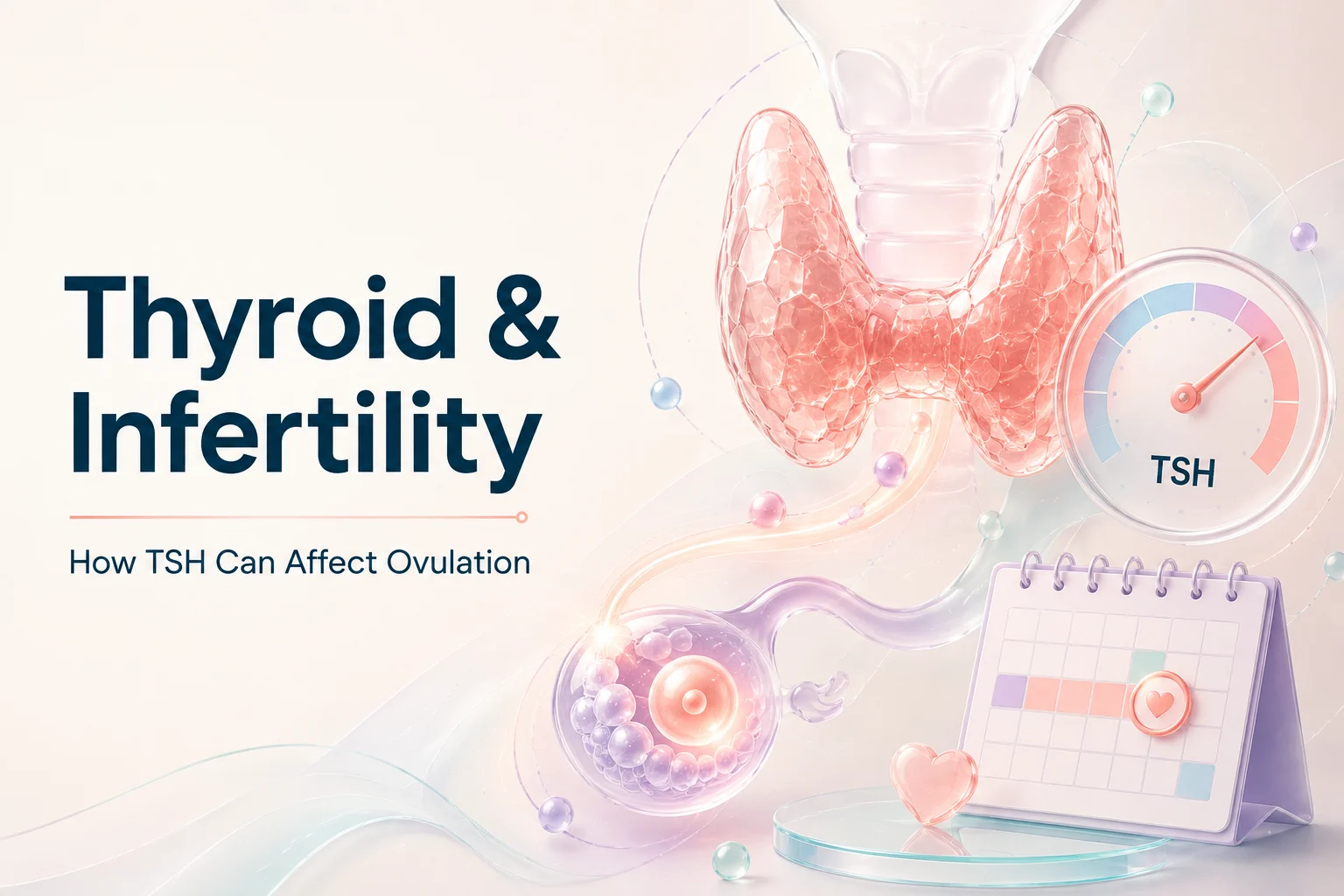
When couples are planning a pregnancy, doctors often evaluate different hormones that play a role in reproductive health. Among these, thyroid hormones are important because they influence metabolism, menstrual cycles, ovulation, and pregnancy preparation. The connection between thyroid and infertility is mainly related to how thyroid hormone imbalance can affect
High Prolactin and Infertility: How Prolactin Can Affect Ovulation
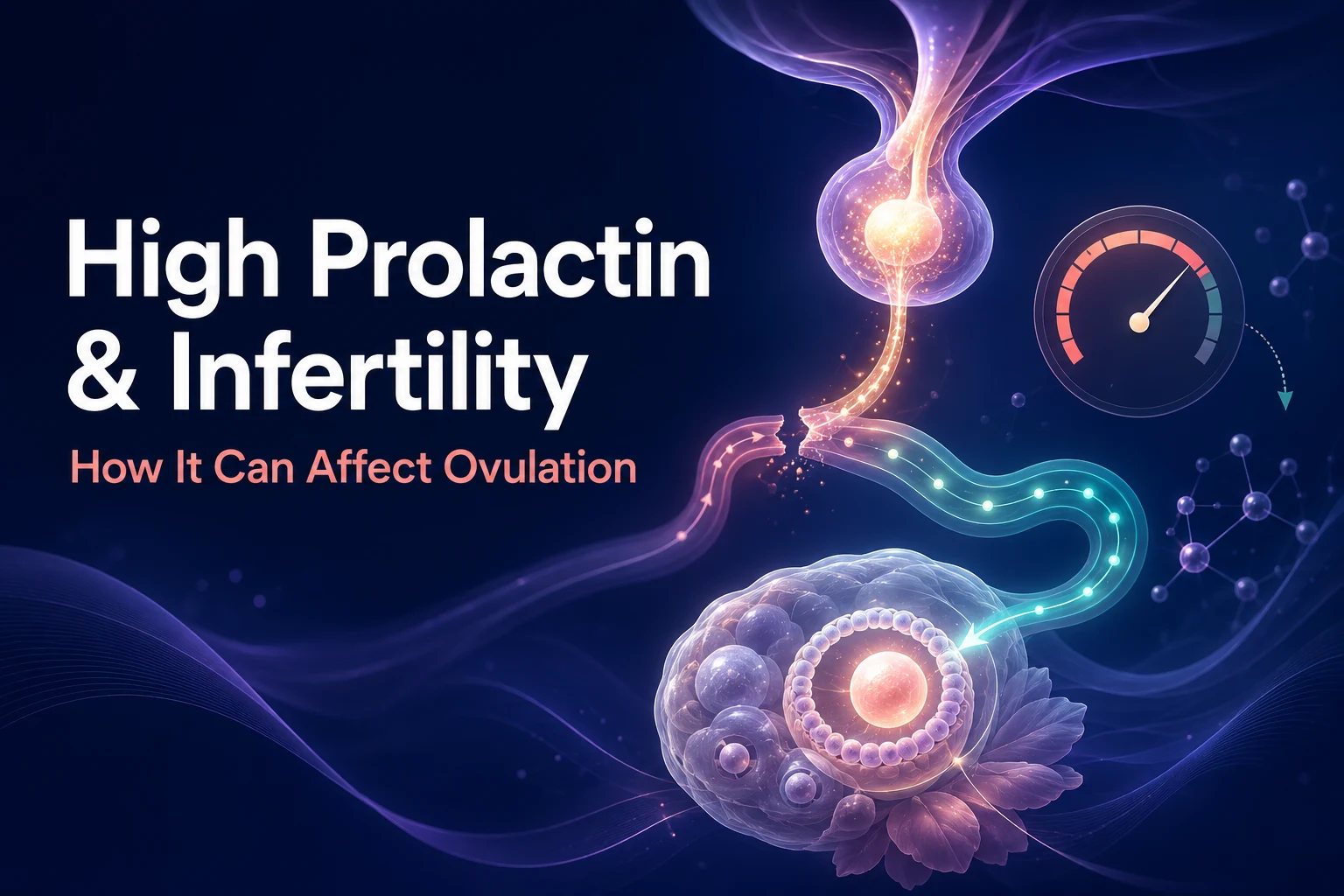
When couples are trying to conceive, doctors often evaluate several hormones that influence reproductive health. One of these important hormones is prolactin. While prolactin is best known for its role in breast milk production, abnormal levels can also affect reproductive hormones and ovulation. The connection between high prolactin and infertility