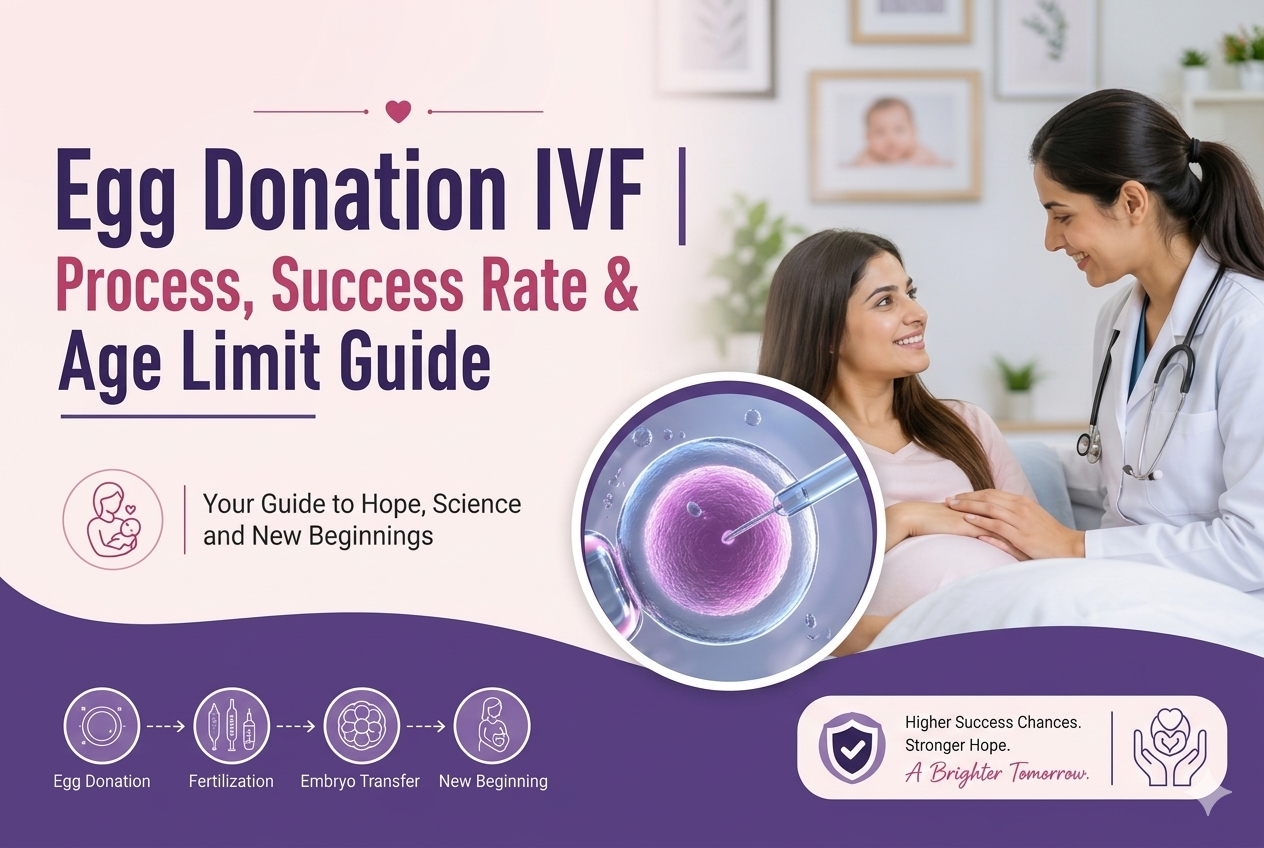


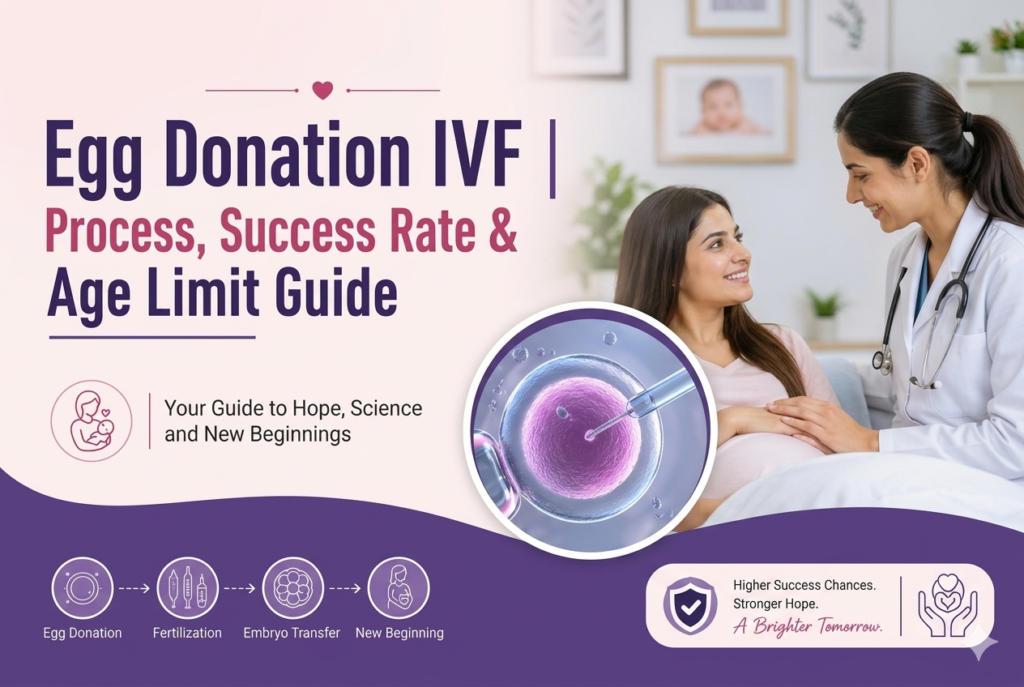
Egg donation IVF is often the turning point for couples who have been trying to conceive without success. When natural conception or even standard IVF doesn’t work, this approach offers a new path – one that has helped thousands experience parenthood.
In simple terms, egg donation IVF uses eggs from a healthy donor, which are fertilized with the partner’s (or donor’s) sperm and then transferred into the intended mother’s uterus. It may sound complex, but medically, it’s a well-established and safe procedure with encouraging success rates.
For couples exploring advanced fertility care options, choosing the right clinic plays a big role in outcomes. Many patients consider specialized centers like
https://theovacare.com/infertility-clinic-in-mumbai/
for personalized guidance and treatment planning.
What is Egg Donation IVF?
Egg donation IVF is a fertility treatment where a woman receives an egg from another woman (donor) to achieve pregnancy.
This method is usually recommended when:
- The woman has low ovarian reserve
- Eggs are of poor quality
- There are genetic concerns
- Previous IVF cycles have failed
- Age-related fertility decline is significant
Unlike traditional IVF, the focus here shifts from using your own eggs to using donor eggs with higher chances of fertilization and implantation.
Who Needs Egg Donation IVF?
Not every couple requires egg donation. It’s typically advised in specific situations:
1. Advanced Maternal Age
Women above 35–40 often experience reduced egg quality, which affects pregnancy chances.
2. Premature Ovarian Failure
Some women experience early menopause or reduced ovarian function.
3. Genetic Disorders
If there is a risk of passing genetic conditions, donor eggs can help avoid transmission.
4. Repeated IVF Failures
Multiple failed IVF attempts may indicate egg quality issues.
5. Poor Egg Quality
Even younger women can sometimes have poor egg quality.
Egg Donation IVF Process (Step-by-Step)
Understanding the process helps reduce anxiety and prepares couples mentally and physically.
1. Donor Selection
A healthy egg donor is chosen based on:
- Medical history
- Genetic screening
- Age (usually between 21–30 years)
2. Synchronization
The menstrual cycles of the donor and recipient are synchronized using medication.
3. Egg Retrieval
The donor undergoes ovarian stimulation and egg retrieval.
4. Fertilization
Retrieved eggs are fertilized with sperm in the lab.
5. Embryo Transfer
A healthy embryo is transferred into the recipient’s uterus.
6. Pregnancy Test
After about 10–14 days, a pregnancy test confirms the outcome.
The entire process is carefully monitored by fertility specialists to improve success rates.
Egg Donation IVF Success Rate
One of the biggest reasons couples opt for egg donation IVF is its high success rate.
Average Success Rates:
- 50% to 70% per cycle (depending on clinic and patient condition)
- Higher success compared to traditional IVF in older women
Factors Affecting Success:
- Age of donor (younger donors = better outcomes)
- Uterine health of recipient
- Embryo quality
- Clinic expertise
Because donor eggs come from younger, healthier individuals, the chances of implantation and pregnancy are significantly higher.
Egg Donation IVF Age Limit
For Egg Donors:
- Typically between 21 to 30 years
- Must be physically and mentally healthy
For Recipients:
- Usually up to 50 years (varies by clinic and medical condition)
- Uterine health is more important than age
Even women in their late 40s have successfully conceived through egg donation IVF, provided their overall health supports pregnancy.
Benefits of Egg Donation IVF
Egg donation IVF offers several advantages, especially for couples who have lost hope.
✔ Higher Success Rates
Donor eggs improve fertilization and implantation chances.
✔ Genetic Risk Reduction
Helps avoid hereditary diseases.
✔ Hope After IVF Failure
Offers another chance when previous treatments fail.
✔ Suitable for Older Women
Age becomes less of a limiting factor.
Risks and Considerations
While generally safe, it’s important to be aware of potential risks:
- Emotional and psychological considerations
- Hormonal side effects in recipient
- Ethical and legal aspects depending on location
- Financial cost
Proper counseling is essential before starting the process.
Emotional Side of Egg Donation IVF
Beyond the medical process, there’s a strong emotional aspect involved.
Many couples initially struggle with:
- Accepting donor involvement
- Concerns about genetic connection
- Social perception
However, over time, most couples focus on the outcome—a healthy baby—and find peace with their decision.
Support from doctors, counselors, and family plays a key role here.
Cost of Egg Donation IVF in India
The cost can vary depending on:
- Clinic location
- Donor compensation
- Medications
- Number of cycles required
Approximate Range:
₹1.5 lakh to ₹3.5 lakh per cycle
While it may seem expensive, many couples see it as a worthwhile investment in building their family.
How to Prepare for Egg Donation IVF
Preparation can improve both success rate and experience.
Physical Preparation:
- Maintain a healthy weight
- Eat a balanced diet
- Avoid smoking and alcohol
Emotional Preparation:
- Counseling sessions
- Open communication between partners
Medical Preparation:
- Complete fertility evaluation
- Follow doctor’s medication plan strictly
Choosing the Right Fertility Clinic
Not all clinics offer the same level of care or success.
When selecting a clinic, consider:
- Experience in egg donation IVF
- Success rates
- Transparency in process
- Availability of counseling support
For couples looking for advanced fertility solutions with a patient-focused approach, exploring
https://theovacare.com/infertility-clinic-in-mumbai/
can be a helpful starting point.
Common Myths About Egg Donation IVF
Myth 1: The child won’t feel like your own
Reality: Pregnancy creates a deep emotional bond regardless of genetics.
Myth 2: It’s unsafe
Reality: It is a well-regulated and safe medical procedure.
Myth 3: Only older women need it
Reality: Even younger women may require donor eggs.
Final Thoughts
Egg donation IVF is more than just a medical treatment—it’s a second chance at parenthood.
For couples facing challenges like poor egg quality, repeated IVF failures, or age-related fertility decline, this method offers real hope with strong success rates.
With the right guidance, emotional support, and medical expertise, many families have achieved their dream of having a child through egg donation IVF.