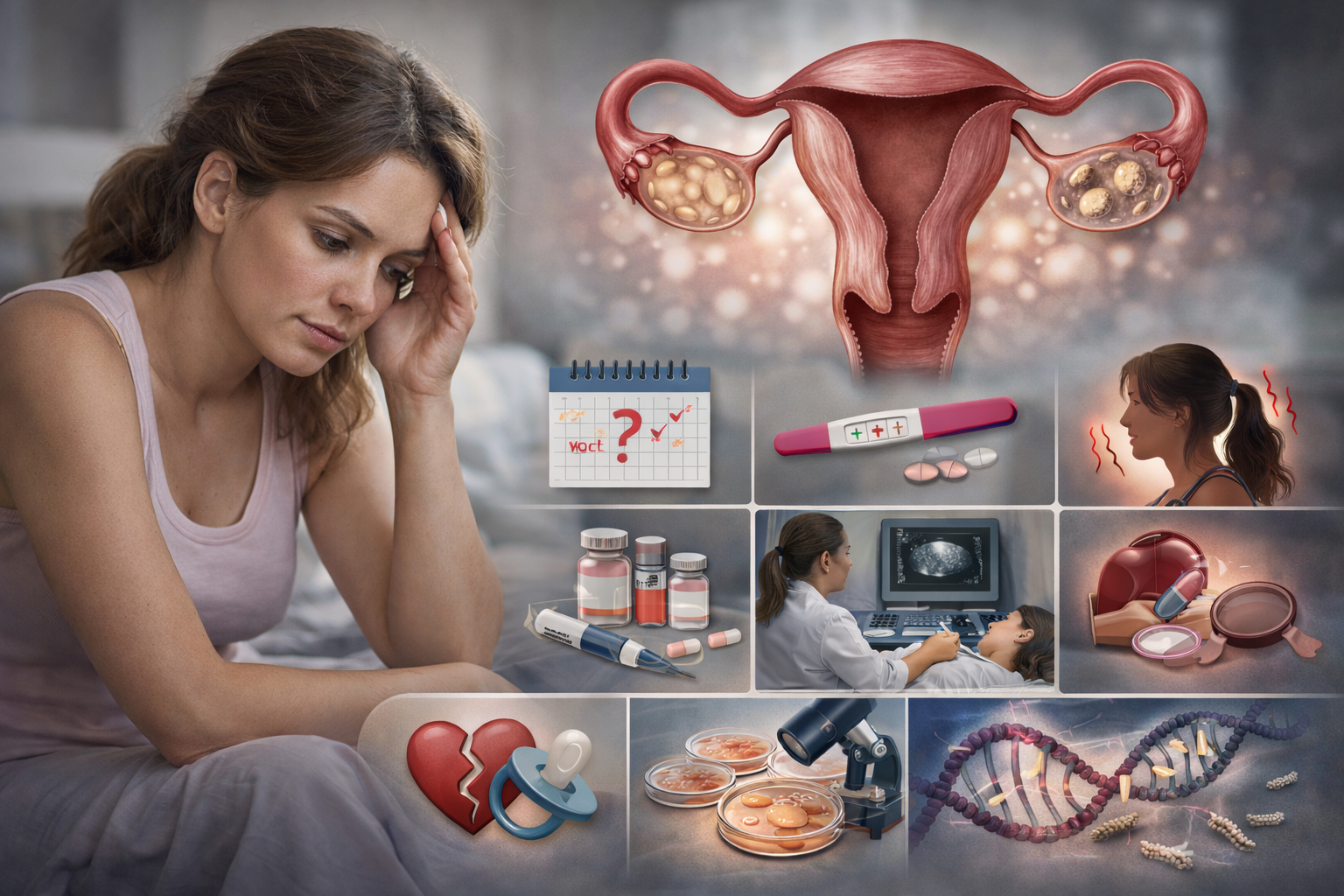


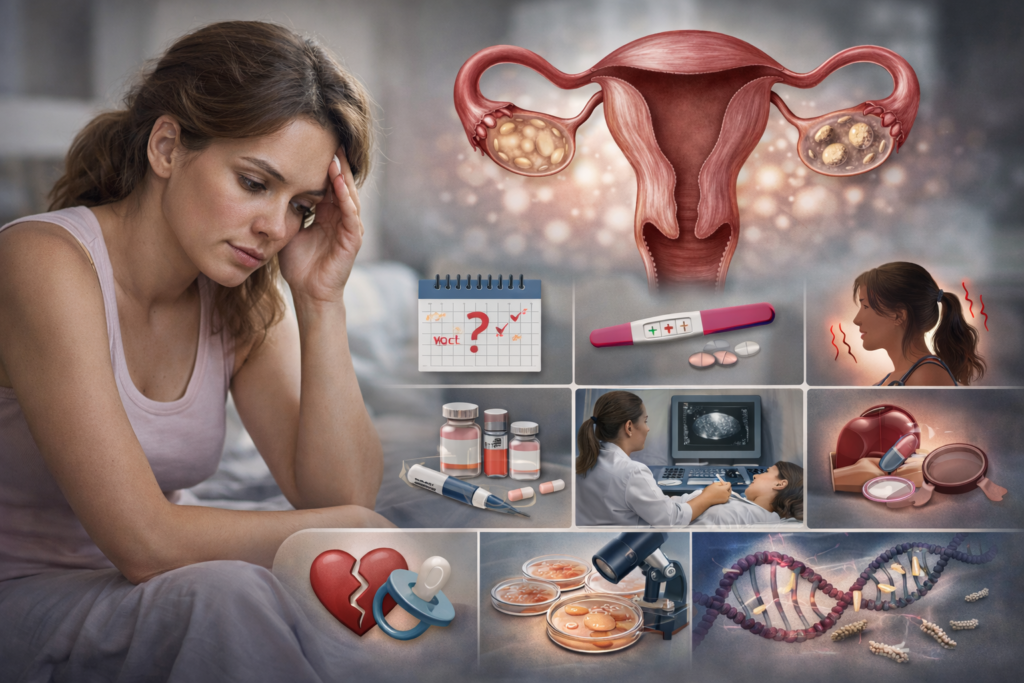
Symptoms of low AMH in women often appear quietly and are easy to miss. Many women feel completely normal until they start planning a pregnancy or face difficulty conceiving. Anti-Müllerian Hormone (AMH) is one of the most important fertility markers because it reflects a woman’s ovarian reserve, the number of eggs remaining in her ovaries.
Low AMH does not mean infertility, but it does signal that the fertility window may be narrowing. Recognising the early warning signs helps women take timely action, explore treatment options, and plan their reproductive future wisely.
This guide explains low AMH in simple terms, its symptoms, causes, diagnosis, and what can be done next.
What Is AMH and Why Is It Important?
AMH (Anti-Müllerian Hormone) is a hormone released by small, developing follicles in the ovaries.
Follicles are tiny sacs that hold immature eggs.
AMH helps doctors understand:
- How many eggs are still available
- How the ovaries may respond to fertility treatment
- Whether fertility is declining faster than expected
Unlike other hormones, AMH:
- Can be tested on any day of the menstrual cycle
- Does not fluctuate much month to month
- Gives a stable picture of ovarian reserve
Lower AMH = fewer remaining eggs.
What Does Low AMH Mean for Women?
Low AMH means the quantity of eggs is reduced.
It does not always mean poor egg quality or that pregnancy is impossible.
Many women with low AMH:
- Ovulate regularly
- Conceive naturally
- Get pregnant with fertility treatments like IVF
However, low AMH suggests that time matters, and early fertility planning becomes very important.
Common Symptoms of Low AMH in Women
Low AMH usually does not cause dramatic physical symptoms. Most signs are subtle and develop gradually.
1. Irregular or Shorter Menstrual Cycles
One of the earliest symptoms of low AMH is a change in menstrual pattern. Periods may:
- Come earlier than usual
- Become shorter or lighter
- Feel unpredictable
This happens because declining ovarian reserve affects hormone balance.
2. Difficulty Getting Pregnant
Women with low AMH often struggle to conceive naturally, even with regular attempts.
This is because fewer eggs are available for fertilisation.
Low AMH does not mean pregnancy cannot happen. it may just take longer or require medical support.
3. Poor Response to Fertility Medications
During fertility treatments like IVF or IUI, women with low AMH may:
- Produce fewer eggs after stimulation
- Need higher medication doses
- Have fewer embryos for transfer
Doctors often call this a poor ovarian response.
4. Early Menopause Symptoms
Some women with low AMH experience menopause-like symptoms earlier than expected, such as:
- Hot flashes
- Night sweats
- Vaginal dryness
- Mood changes
This may indicate premature ovarian insufficiency (early decline in ovarian function).
5. Reduced Ovulation or Missed Ovulation
Low AMH can sometimes lead to inconsistent ovulation.
Ovulation kits may show weak or irregular results, reducing chances of natural conception.
6. Recurrent Miscarriages
Low AMH linked with increasing age may affect egg quality. Poor egg quality increases the risk of:
- Chromosomal abnormalities
- Early pregnancy loss
This does not happen to everyone but is more common as ovarian reserve declines.
7. Emotional Stress and Anxiety
Fertility struggles often bring emotional symptoms such as:
- Anxiety
- Low mood
- Frustration
- Fear about future pregnancy
Hormonal imbalance combined with uncertainty can affect mental well-being.
Causes of Low AMH Levels
Low AMH can occur due to several reasons, some natural, some medical.
Age
- AMH naturally declines with age
- Significant decline often begins after 35
Genetic Factors
- Some women are born with fewer eggs
- Family history of early menopause increases risk
Medical Conditions
- Endometriosis (a condition where uterine tissue grows outside the uterus)
- Autoimmune disorders
- Pelvic infections
Medical Treatments
- Chemotherapy or radiation
- Ovarian surgery
Lifestyle Factors
- Smoking
- Excess alcohol
- Chronic stress
- Poor nutrition
How Is Low AMH Diagnosed?
Low AMH is identified using a simple blood test that measures the level of Anti-Müllerian Hormone in the body.
Why AMH testing is reliable:
- Can be done on any cycle day
- Stable hormone level
- Gives a clear estimate of ovarian reserve
Doctors may also use:
- Ultrasound (antral follicle count)
- FSH and estrogen levels
Together, these tests help create a complete fertility picture.
Normal AMH Levels (General Reference)
- Above 3.0 ng/ml – High (may indicate PCOS)
- 1.0–3.0 ng/ml – Normal
- 0.7–0.9 ng/ml – Low-normal
- 0.3–0.6 ng/ml – Low
- Below 0.3 ng/ml – Very low
Values may vary slightly by lab.
Can You Get Pregnant With Low AMH?
Yes. Many women with low AMH conceive:
- Naturally
- With IVF or ICSI
- With fertility preservation support
Pregnancy chances depend on:
- Age
- Egg quality
- Uterine health
- Overall hormonal balance
Low AMH means fewer chances per cycle not zero chances.
Treatment Options for Low AMH
There is no medicine that permanently increases AMH, but fertility outcomes can still improve.
IVF and ICSI
Doctors optimise stimulation protocols to make the best use of remaining eggs.
Egg Freezing
Recommended for younger women with declining AMH who want to delay pregnancy.
Donor Eggs
For very low AMH or menopause cases, donor eggs offer high success rates.
Lifestyle Changes That Support Ovarian Health
While AMH decline cannot be reversed, ovarian health can be supported.
- Balanced diet rich in fruits, vegetables, and protein
- Regular exercise (30–40 minutes daily)
- Stress reduction through yoga or meditation
- Stop smoking and limit alcohol
- Adequate sleep
Helpful Supplements (only with doctor advice)
- Vitamin D
- Coenzyme Q10
- Folic acid
- Omega-3 fatty acids
When Should You See a Fertility Specialist?
You should seek expert advice if:
- You are above 30 and have been trying to conceive for six months without success.
- You have irregular periods
- There is a family history of early menopause
- You are planning pregnancy later in life
- Early evaluation gives more options and better outcomes.
- Frequently Asked Questions (FAQs) on Symptoms of Low AMH